







- Admission
- €8.50 to €15
- Season pass €25
- Hours
- Open every day in season; it was closed in October 2026, so check dates before you go
- Where
- Yvoire, Rhône-Alpes
- Directions
- Directions
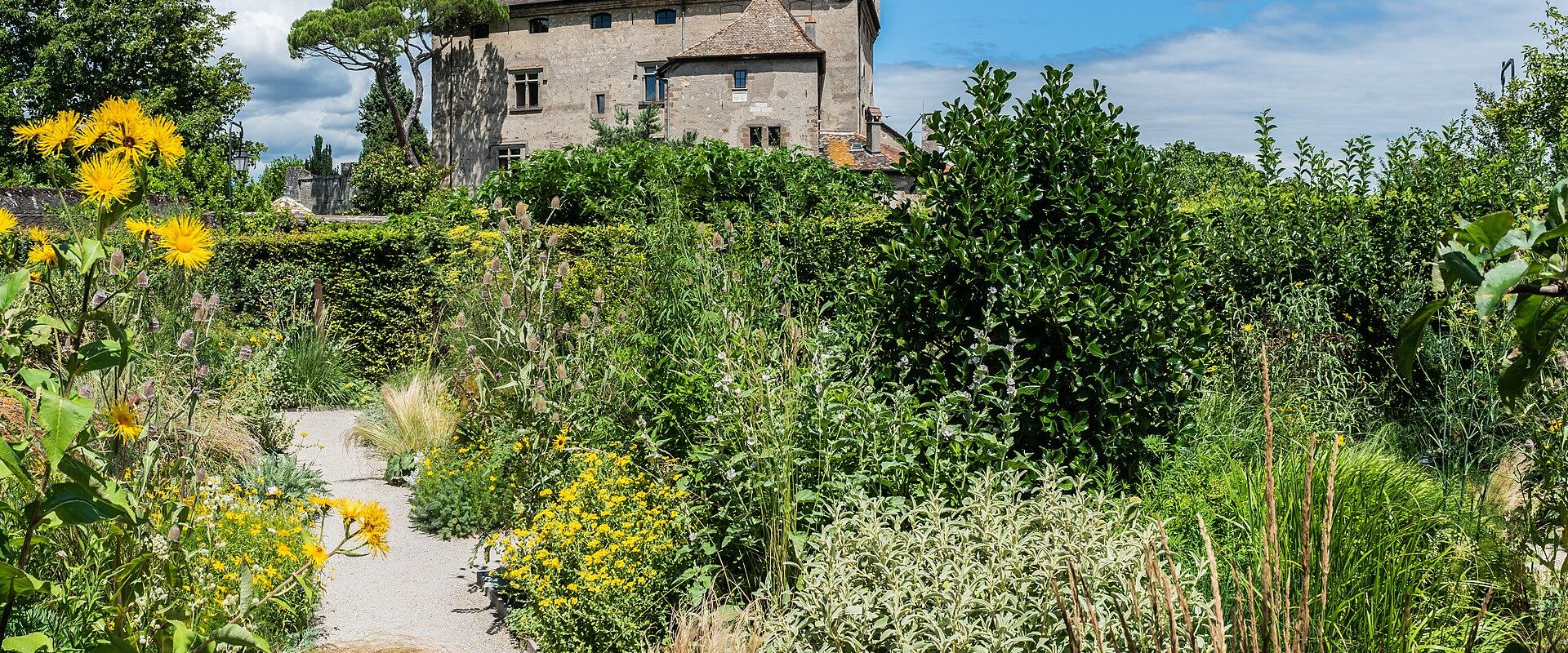
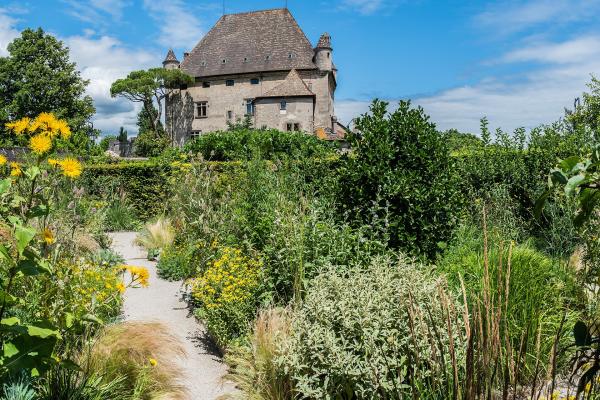
Yvoire is a small walled village on the French shore of Lac Léman, and tucked behind its streets, close to the castle, lies a garden built around the senses. The Jardin des Cinq Sens occupies what was once the château's kitchen garden, and it was laid out as a labyrinth of green rooms divided by hedges of hornbeam, with apple trees, trellises and paths that turn back on themselves. It was created in the late twentieth century as a modern garden in a medieval spirit, and it is one of the village's most popular visits, particularly for families.
The idea is simple and effective. The garden is divided into themed spaces, each devoted to one of the five senses: sight, hearing, smell, touch and taste. In the area devoted to smell, visitors brush against aromatic plants such as sage, rosemary, lavender and jasmine, and the scents rise in the warm air. The garden of touch invites you to feel textures of leaves, bark and stone, from soft and furry to rough and prickly, and the garden of taste offers edible plants and fruit that can be picked and sampled, including herbs, berries and vegetables. Sight and hearing are not neglected, with colour combinations, water features and sounds from the plants and wind.
The design draws on the medieval tradition of gardens with enclosed spaces for contemplation, and it makes use of the paths and hedges to create a maze-like effect that children enjoy. Planting changes with the seasons, so the garden looks different in spring, when blossom and bulbs appear, in summer, when roses and aromatic plants are at their peak, and in autumn, when apples ripen and foliage turns. Information panels explain the plants and the idea behind each section, and the garden offers a quiet pause from the busier lanes of the village.
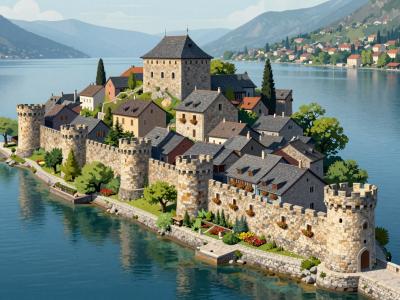
It is easiest to understand the garden in the context of Yvoire's history. In the early fourteenth century, Amédée V, Count of Savoy, restored the castle and built the fortifications that give the village its shape, to control the traffic on the lake and the route between Geneva and Italy. In 1536, during the wars between Savoy and Bern, the castle was burned, and Yvoire fell into decline, remaining a quiet fishing village for centuries. The creation of the garden in the late twentieth century formed part of an effort to bring visitors back to the village, and it has become part of the identity of a place that had once almost been forgotten.
The garden suits families with children, gardeners and anyone who likes to engage with plants. Plan an hour or so, longer if you linger over the smells and tastes. Combine it with a walk along the lakeside promenade and the Pointe de Yvoire, and a visit to the village itself, which is classified among the most beautiful in France. The Château d'Yvoire, which is privately owned, is best admired from outside. Admission is charged, and opening periods vary through the year, so check the current dates and prices before you go.
Categories
More photos coming soon
Hours & Fees
- Open
- Open every day in season; it was closed in October 2026, so check dates before you go
- Admission
- €8.50 to €15; season pass €25
Hours and prices change, especially out of season. Check with the venue before you go.
Nearby Attractions
Other places to visit in Yvoire
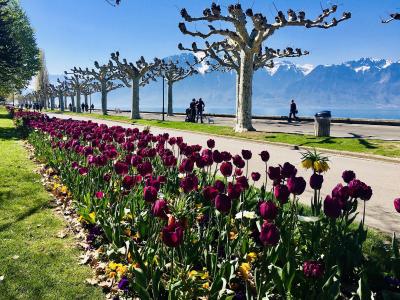
Lac Léman (Lake Geneva) Promenade
Medieval walled village promenade on Lake Geneva
Historic Towns · Rivers & Lakes
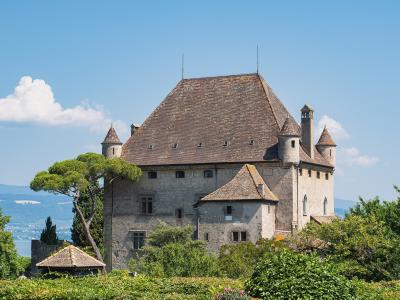
Château de Yvoire
14th-century Savoyard castle on Lake Geneva
Castles · Historic Towns
Pointe de Yvoire
Medieval village on Lake Geneva with 700-year history
Historic Towns · Rivers & Lakes
Questions people ask
Quick Facts
Best Time to Visit
May to September offers warm weather and ideal conditions for lakeside exploration and sightseeing.