Yvoire
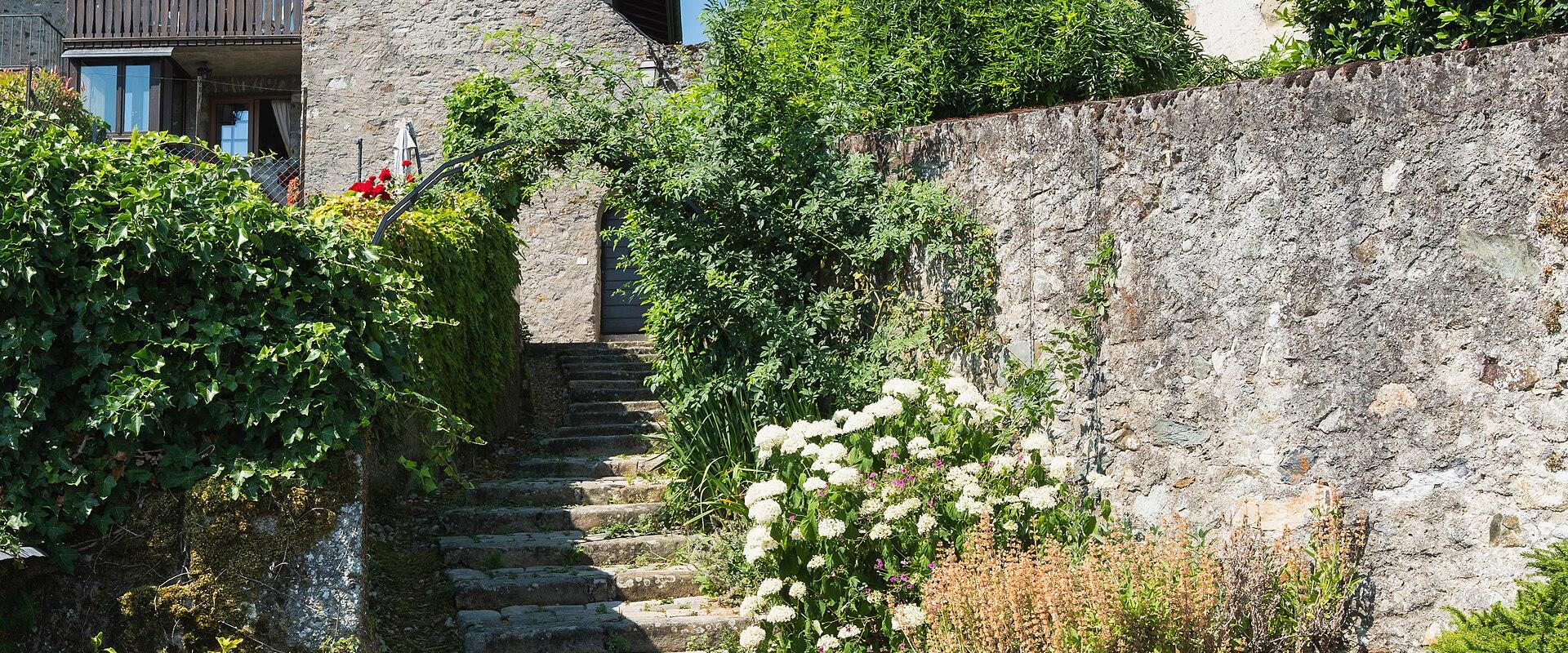
Medieval village on Lake Geneva with flower-adorned stone houses
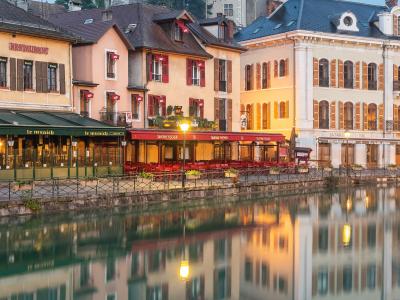
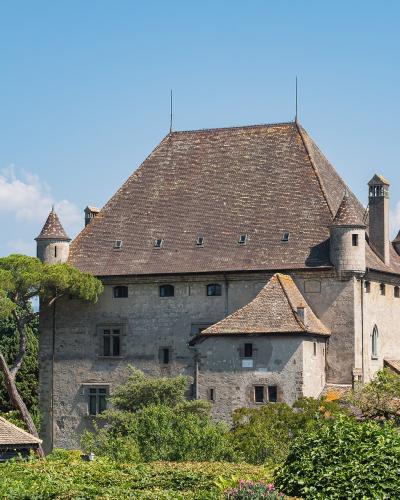
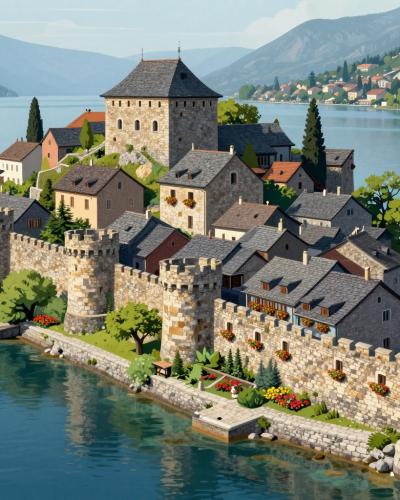
Yvoire, situated in the Haute-Savoie department of eastern France, is a village with a profound historical and aesthetic identity. Historically, it was founded in the early 14th century by Count Amédée V of Savoy, who built a fortified castle to protect the strategic crossing point on Lake Geneva. The village was designed as a planned settlement, with a grid-like street pattern and defensive walls that still partially remain today. The castle, known as the Château d'Yvoire, served as a residence for the Counts of Savoy and later as a prison. The village's architecture is characterized by its stone houses, narrow cobblestone streets, and the iconic flower boxes that line the facades, creating a colorful and inviting atmosphere. The village's location on the lake has always been central to its economy, with fishing and trade playing significant roles in its history.
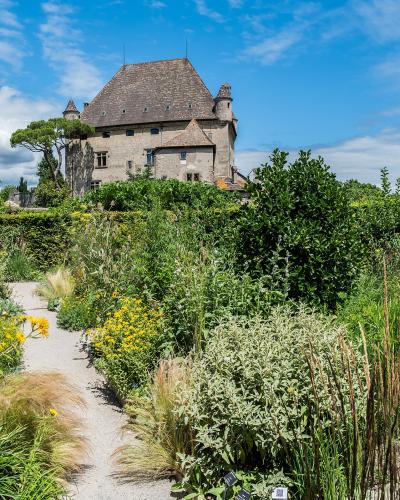
The main attractions in Yvoire revolve around its medieval heritage and lakeside setting. The Château d'Yvoire, now a museum, offers insights into the village's history and the life of the Counts of Savoy. The Fortified Gates, including the Porte de France and the Porte de Savoie, are remnants of the original defensive walls. The Place de l'Église, centered around the Church of Saint-Pancrace, is the heart of the village, surrounded by cafes and shops. The Garden of the Five Senses (Jardin des Cinq Sens) is a unique botanical garden designed to stimulate all senses, featuring aromatic plants, textured foliage, and colorful flowers. The lakeside promenade offers stunning views of Lake Geneva and the Swiss Alps. Boat trips from Yvoire to nearby towns like Nyon and Geneva provide a scenic way to explore the lake.
Yvoire offers various activities for visitors interested in history, nature, and leisure. Walking tours through the village allow visitors to appreciate the architectural details and the vibrant flower displays. The nearby town of Évian-les-Bains is accessible by boat and offers spa facilities and a beautiful lakeside promenade. The Swiss town of Nyon, also reachable by boat, features a medieval old town and a lively market. The surrounding region offers hiking and cycling trails with views of the lake and mountains. The local cuisine features Savoyard specialties, including fondue, raclette, and fresh fish from the lake. The village also hosts various festivals throughout the year, including the Fête de la Musique and the Christmas Market.
Getting to Yvoire is convenient via boat from Geneva or Nyon, which is the most scenic and popular way to reach the village. Alternatively, it is accessible by car via the D902 road. The nearest major airport is Geneva Airport. The best time to visit Yvoire is from May to September, when the weather is warm and pleasant, ideal for exploring the village and enjoying the lakeside views. May and June are particularly beautiful, with the flowers in full bloom. July and August are the warmest months, but also the busiest, with larger crowds. Spring and autumn offer milder weather and fewer crowds, making them suitable for sightseeing. Winter is cooler and quieter, offering a serene atmosphere for indoor museum visits. Yvoire combines historical depth, natural beauty, and cultural richness, making it a compelling destination for travelers seeking an authentic French lakeside experience.
Best Time to Visit
May to September offers warm weather and ideal conditions for lakeside exploration and sightseeing.
Did you know?
Interesting, verified facts about Yvoire
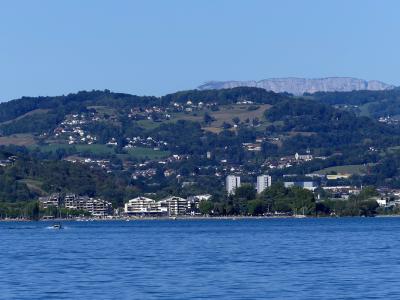
Yvoire Is Linked to Lake Landscapes
HistoryYvoire, located in the Haute-Savoie department of the Auvergne-Rhône-Alpes region, is a picturesque medieval village situated on the shores of Lake Geneva (Lac Léman).
Source: Lake Geneva - WikipediaPlan Your Visit to Yvoire
Essential travel tips and information for your trip to Yvoire.
Suggested Itineraries
One Day in Yvoire
1 dayPerfect for a quick visit. See the main highlights and get a taste of local culture.
Extended Yvoire Experience
2-3 daysComprehensive exploration including nearby attractions and cultural experiences.
Travel Tips
Currency
EUR • Cards widely accepted
Language
French • English in tourist areas
WiFi
Free WiFi in cafes and hotels
Explore Yvoire by Interest
Discover attractions and experiences in Yvoire organized by your interests and travel preferences.
All attractions in Yvoire
Sorted by our recommendation score
Quick Facts
Book your stay
Frequently Asked Questions
More destinations in Rhône-Alpes
Explore other amazing places in the Rhône-Alpes region