







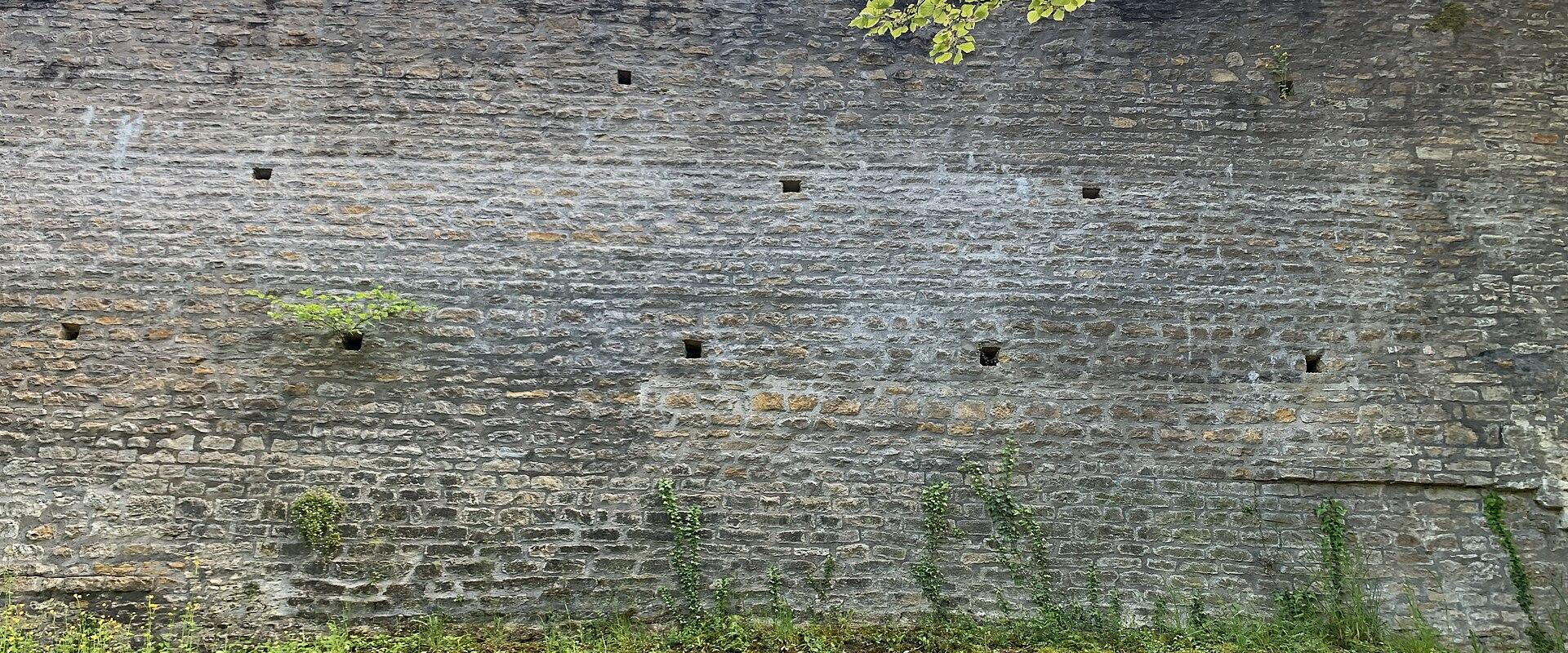
Les Remparts (Remnants of Fortifications)
Medieval fortification remnants in Vezelay
- Where
- Vezelay, Burgundy
- Directions
- Directions
Vézelay stands on a hill above the valley of the Cure, on the northern edge of the Morvan, and its ramparts are a reminder that the town, so peaceful today, was once a stronghold as well as a place of pilgrimage. The great Romanesque basilica of Sainte-Marie-Madeleine crowns the summit, the long main street, the Rue Saint-Étienne and its continuation, drops from it towards the gate, and around the whole hilltop run the remains of the medieval walls. A walk along or beside them is one of the pleasures of a visit, and the views are the best in the town.
The walls were built from the twelfth century, as the town grew rich from the pilgrim trade. Vézelay had become one of the great stops in France: the relics of Mary Magdalene, said to have been brought there in the ninth century, attracted large crowds, and the town was the starting point of one of the four main French routes to Santiago de Compostela. It was also the scene of great events. In 1146, Bernard of Clairvaux preached the Second Crusade here, in front of King Louis VII, and in 1190, Philip Augustus of France and Richard the Lioncentre of England gathered at Vézelay before leaving together on the Third Crusade. The wealth and prestige of the abbey and the town made it a target, and the ramparts were strengthened in the following centuries, in particular during the Hundred Years' War.
The defences were tested in the Wars of Religion. In 1569, Protestant forces captured Vézelay and damaged the basilica, and the town lost much of its importance afterwards. In the nineteenth century, the basilica was in poor condition, and Eugène Viollet-le-Duc was called in to restore it, which saved the building and made Vézelay one of the first sites to be protected. The ramparts have survived in fragments, with stretches of wall, towers and gates integrated into the lanes and houses, and parts of them have been turned into walkways and gardens.
Among the surviving elements are the gates through which the main routes enter the town, including the Porte Neuve and the Porte Sainte-Croix, and the Tour de la Gaudelle, a round tower of the thirteenth century that stands at the edge of the hill and now forms part of a garden with a view. A path follows the line of the walls and gives views over the vineyards on the slopes, the green hills of the Morvan Regional Park and the valley below. The Place de la Halle and the Maison de la Vézelay recall the history of the market and the town, and a small museum, the Musée de Vézelay, displays sculptures and objects.
The walk is free and open at all times, and it takes about an hour, longer if you pause for the views. The paths can be steep and uneven, so wear sturdy shoes. The ramparts suit walkers, photographers and anyone interested in medieval history, and they make a quieter complement to the crowds in the basilica. Vézelay is about fifty kilometres south of Auxerre. In summer the town is very busy, so go early or in the evening.
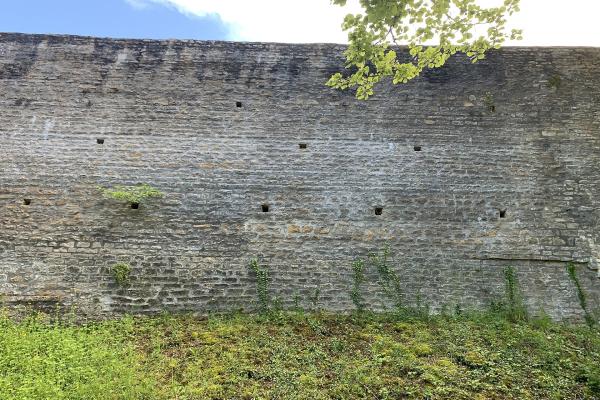
More photos coming soon
Nearby Attractions
Other places to visit in Vezelay
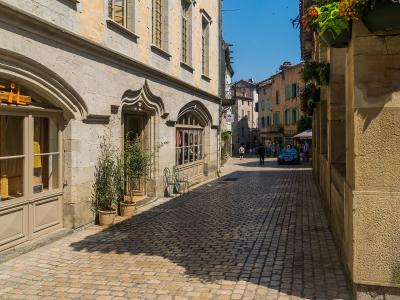
Place de la Halle
Vezelay market square below the UNESCO Basilica
Historic Towns · Squares
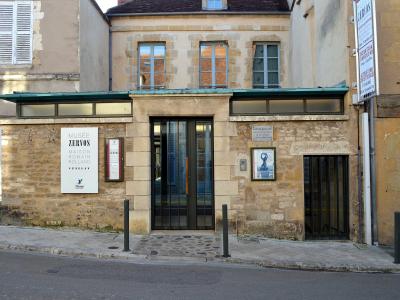
Musée de Vézelay
1000-year-old Romanesque basilica
Historic Architecture · Museums & Culture
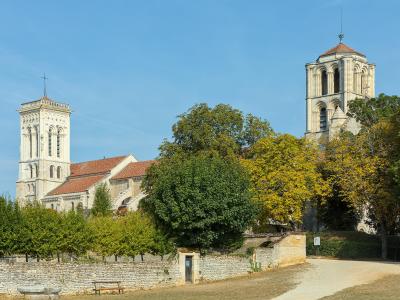
Parc de la Vézelay
Millennium-old abbey and UNESCO village
Guided Experiences · Historic Architecture
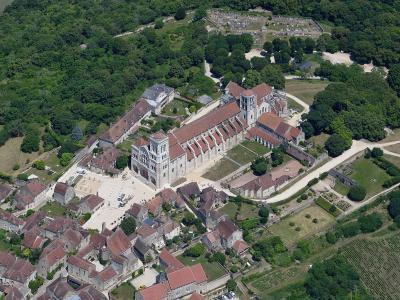
Point de Vue du Mont Vézelay
UNESCO village basilica, starting point of the Second Cru...
Guided Experiences · Historic Architecture
Questions people ask
Quick Facts
Best Time to Visit
April to June and September to October offer mild weather and fewer crowds for optimal exploration.