







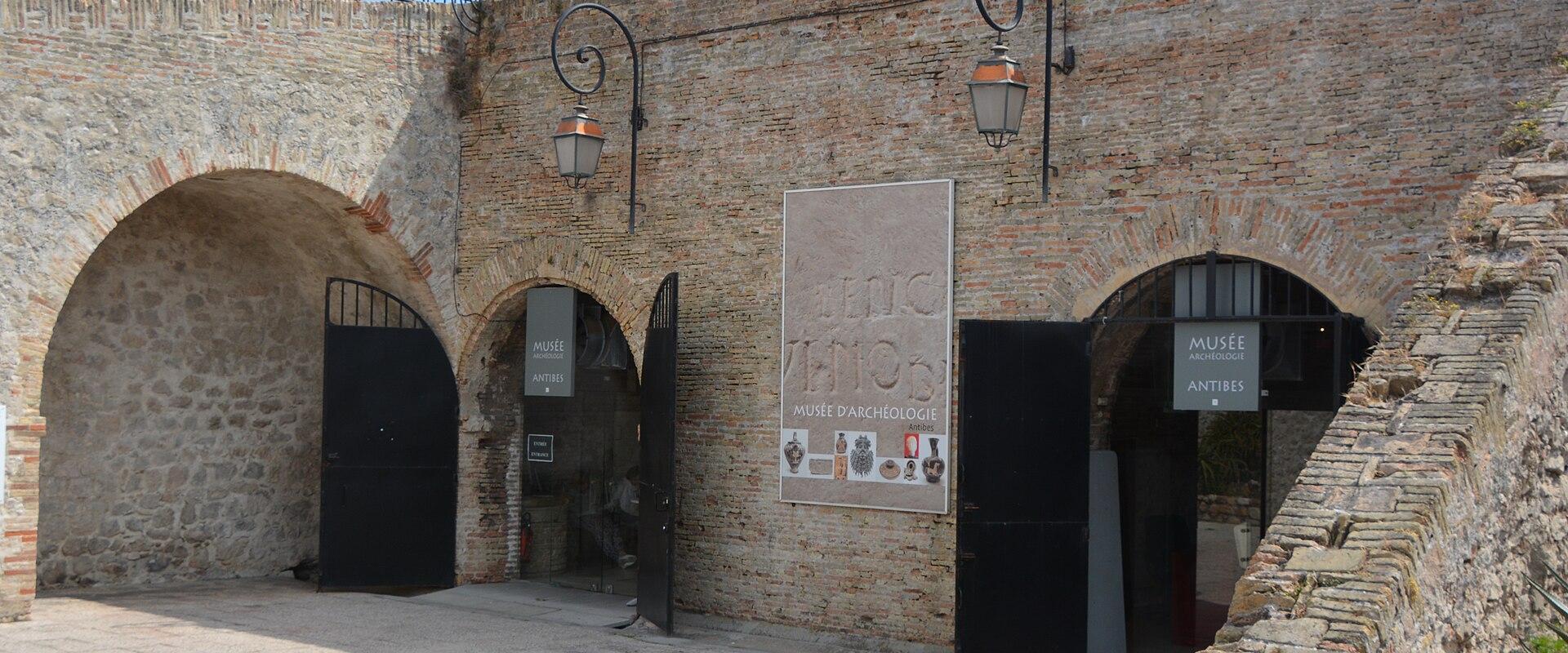
Musée d'Archéologie
17th-century fortress housing Ligurian, Greek, and Roman ...
- Where
- Antibes, Provence-Alpes-Côte d'Azur
- Directions
- Directions
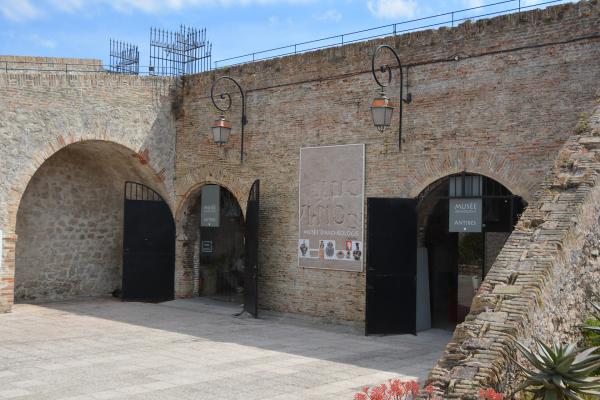
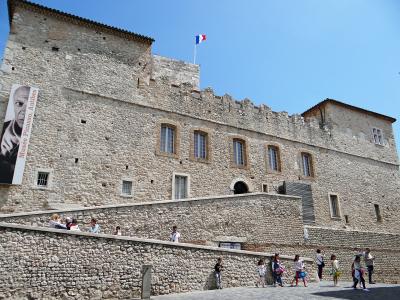
The Musée d'Archéologie of Antibes stands on the ramparts of the old town, in the Bastion Saint-André, a seventeenth-century bastion of the fortifications that Vauban designed for the town. It faces the sea on the south side of Antibes, and from its terrace you can look over the water toward the Alps. The building was a military site, an arsenal and a barracks, before the museum was installed there in the 1960s, and the thick vaulted galleries that served for the storing of powder and weapons now hold ancient objects in a cool, quiet setting.
The subject of the museum is Antipolis, the ancient town on whose site modern Antibes stands. It was founded in the fifth century BC by Greek settlers from Massalia, the modern Marseille, as a trading post on the coast, and its name means the city opposite, since it faced the Greek colony of Nikaia, now Nice, across the bay. The Greeks traded with the local Ligurian tribes, among them the Deciates who lived in the hinterland, and the finds show the meeting of the cultures. After the Roman conquest, Antipolis became a Roman town with a harbour, a forum, a theatre and an aqueduct, and it grew prosperous from the trade in fish products, wine and oil.
The museum is arranged in two vaulted galleries and presents a permanent collection of objects found on land and under water. Underwater archaeology is one of the strengths, since the sea off Antibes has yielded many wrecks and cargoes from antiquity. The exhibits include storage jars called amphorae that once carried wine and oil, along with pottery from Greece, Etruria and Italy, glassware, coins, tools, jewellery, tomb furnishings and inscriptions. Pieces of Roman sculpture and architecture show how the town looked in the first centuries of the empire. The collection is small enough to see in about an hour, and the labels explain the context clearly.
The museum runs workshops for children, including activities for the very young introducing ancient life, and it is a good place to bring families who are interested in history. Opening days run from Tuesday to Sunday, with a break at midday, and the museum is closed on Mondays and on some public holidays. The admission fee is modest, with reductions and free entry for young people and job seekers.
The museum is in the old town, close to the Marché Provençal, the Musée Picasso in the Château Grimaldi, the ramparts and the Port Vauban. The Fort Carré is a short walk around the harbour, and beyond the town the Cap d'Antibes offers coastal walks, the Plage de la Garoupe and the Villa Thuret botanical garden. The museum suits anyone interested in the ancient Mediterranean and in the layers of history that lie under this Riviera town.
Categories
More photos coming soon
Nearby Attractions
Other places to visit in Antibes
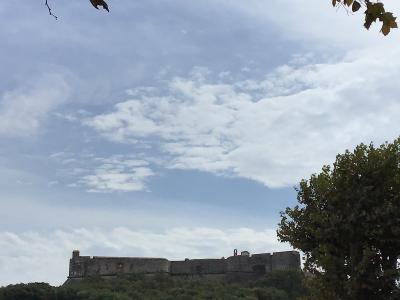
Fort Carré
17th-century fortified monument with panoramic sea views
From €5 Coastal Promenades · Fortresses
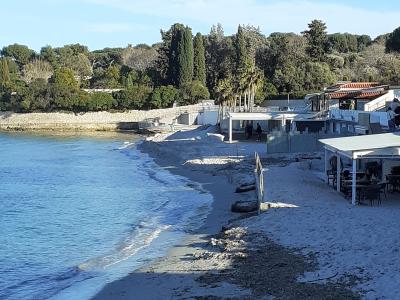
Plage de la Garoupe
Tranquil beach on Cap d'Antibes backed by pine forests
Free Coastal & Maritime · Nature & Parks

Marché d'Antibes
1920s covered market in Antibes Old Town
Free Historic Towns · Local Cuisine
Musée Picasso
Picasso’s Antibes studio in historic Grimaldi Castle
From €12 Art Museums · Castles
Questions people ask
Quick Facts
Best Time to Visit
April to June and September offer warm weather and fewer crowds for optimal enjoyment.