







- Admission
- €5.30 adults, €2.70 discounted
- Hours
- Daily 9:00-17:30 (Jan 2, 2026 - Dec 31, 2027)
- Where
- Blois, Centre-Val de Loire
- Directions
- Directions
Blois is known for its royal château, but the town also has a natural history museum on the Rue des Jacobins that looks at the countryside around it rather than at kings. The museum is devoted to the biodiversity of the Loire valley and the surrounding region, and it makes a good complement to the historical sights, since the landscape of this part of France is as much a part of its identity as its castles. The visit is short, about an hour, and it is arranged for families and school groups as well as for adults with an interest in nature.
The region has several distinct environments, and the museum uses them as its organising theme. To the north of Blois lies the Beauce, a vast, flat plain of cereal fields that is among the most productive farmland in France, with big skies and few trees, which has its own bird life of larks, harriers and partridges. To the south stretches the Sologne, a very different landscape of forests, heaths and thousands of ponds, which was once marshy and thinly populated and is now famous for hunting, for its brick-and-timber farmhouses and for its wildlife, including deer, wild boar, herons, kingfishers and many dragonflies. Between them runs the Loire itself, the last great wild river of France, with its sandbanks, islands and willow-lined channels, which shelter terns, sandpipers and oystercatchers and which has been a corridor for migratory birds for millennia. Beavers, reintroduced to the Loire in the twentieth century, have spread along the river and its tributaries.
The displays use dioramas, which are painted and modelled scenes with stuffed animals set in their habitats, along with models, interactive modules and audiovisual presentations. They show how plants, animals and landscape depend on each other, how the seasons and the floods of the river change the environment, and how human activity, from farming to drainage, has shaped and sometimes harmed it. The museum stresses the fragility of the ecosystems and what can be done to protect them, and it presents the subject in a clear, accessible way, so children can follow it easily. Guided tours are available, as are free visits at certain times, and the museum has a small shop and facilities for families.
The museum is open every day, with the ticket office closing in the late afternoon, and admission is modest, with a reduced rate for young people and some other groups. Check the schedule on the day, as hours can change.
It makes a good stop for a rainy day in Blois. The Château de Blois, with its famous spiral staircase, the Cathédrale Saint-Louis, the Jardin des Plantes and the Musée des Beaux-Arts are all within walking distance, and the Loire embankments are pleasant for a stroll. For a closer look at the landscapes described in the museum, the Sologne and the forests and ponds of the region lie a short drive away, and the Château de Chambord, with its enormous wild park, is close. The museum suits families, school groups and nature lovers.
Categories
More photos coming soon
Hours & Fees
- Open
- Daily 9:00-17:30 (Jan 2, 2026 - Dec 31, 2027)
- Admission
- €5.30 adults, €2.70 discounted
Hours and prices change, especially out of season. Check with the venue before you go.
Nearby Attractions
Other places to visit in Blois
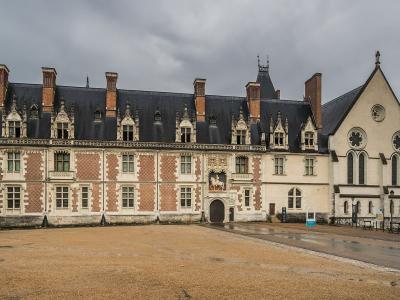
Musée des Beaux-Arts de Blois
Fine arts museum in the Royal Château de Blois
Historic Architecture · Museums & Culture
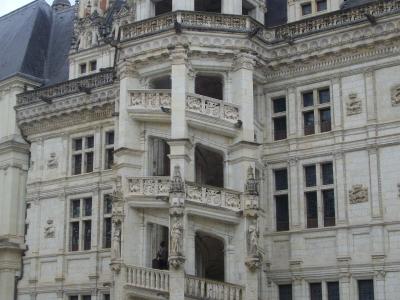
Château de Blois
Royal castle with four architectural styles
Castles · Heritage Trails
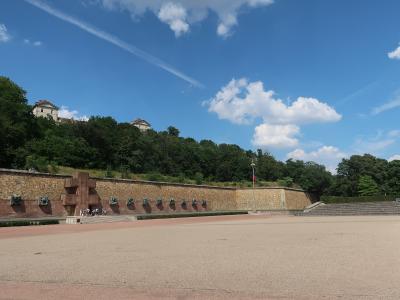
Mémorial de la France Combattante
Memorial honoring French Resistance fighters
Heritage Trails · History Museums
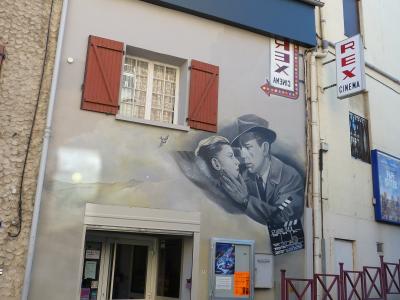
Cinéma Le Rex
Historic cinema in Blois, France
Museums & Culture
Questions people ask
Quick Facts
Best Time to Visit
May to June and September to October offer mild weather and fewer crowds for optimal exploration.