







- Where
- Chinon, Centre-Val de Loire
- Directions
- Directions
Chinon is a small town on the Vienne river, in the Indre-et-Loire, best known for its medieval castle, its old streets and its red wine, but it also has a place in the story of the Second World War, and the Resistance museum is dedicated to that history. The subject is a serious one, and a museum on this theme in a town of this size is a modest, local institution, concerned with how ordinary people in the Touraine faced the occupation and how some of them chose to resist.
After the French defeat in June 1940, the country was divided. The northern part and the Atlantic coast were occupied by Germany, and the south came under the Vichy government. The line of demarcation between the zones ran through the Touraine, so that the region was divided, and crossing it required passes. This created particular difficulties for the residents of the region, and it also made the area important for those who helped others to cross secretly, whether escaped prisoners, Jews, people at risk of arrest or Allied airmen. The Resistance grew slowly, from small acts of defiance and the circulation of clandestine newspapers into organised networks that gathered intelligence, sabotaged communications and later took part in armed action as the Allies advanced in 1944.
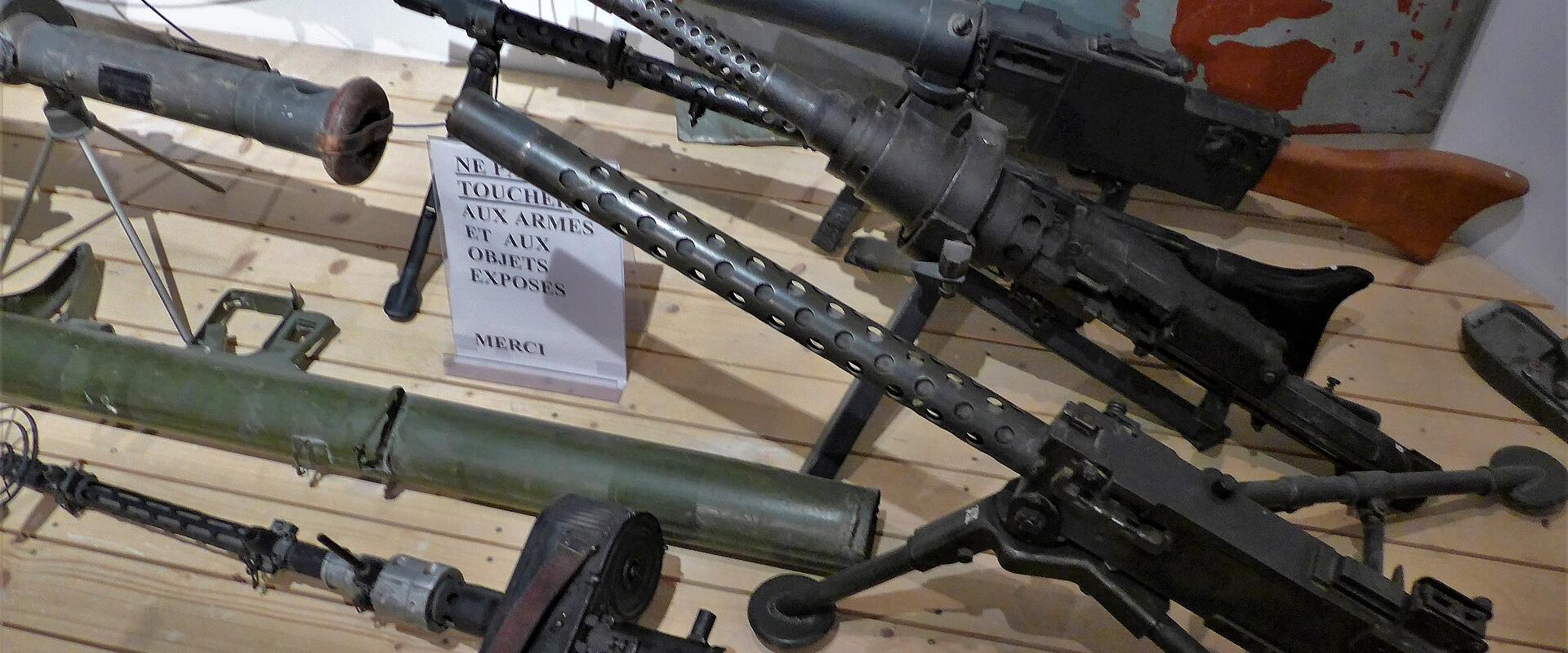
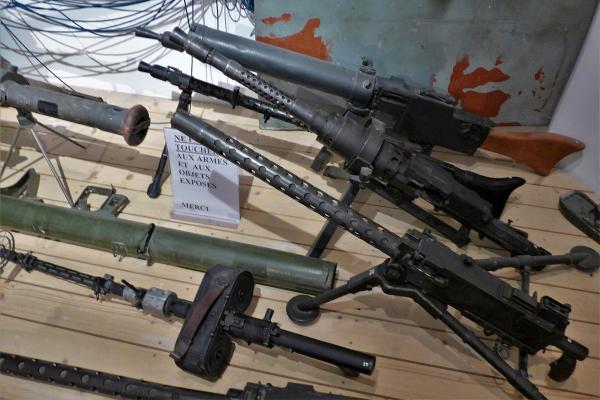
Museums of the Resistance generally combine documents, photographs, posters, clandestine newspapers, weapons and personal objects to show the daily life of occupation and the choices people made. They often include testimonies of former members of the Resistance, with their stories of danger and courage, as well as accounts of the repression, arrests and deportations. Such exhibits help visitors to understand the diversity of the movement, which included men and women of different backgrounds and political views, and to see how it was linked to the larger story of the war, from the appeal made by General de Gaulle on 18 June 1940 to the creation of the National Council of the Resistance in 1943 under Jean Moulin. The Liberation of Touraine came in the late summer of 1944.
Chinon itself offers plenty to explore around the museum. The Château de Chinon, a fortress above the town, was the residence of the Plantagenet kings and was where Joan of Arc met Charles VII in 1429. The Vieux Chinon, the old town, has narrow lanes of timber-framed houses, the Collégiale Saint-Mexme and the Musée de Chinon, and the quays along the Vienne are good for a walk. The tunnels cut into the limestone, the caves, shelter the wine of the region, made from Cabernet Franc, and offer tastings.
The museum suits those interested in modern history, and it is best visited with some time to read and listen. Opening times of small local museums vary and can be limited, so it is worth checking with the tourist office before going. A visit can take an hour or so. The subject matter may be difficult for young children, but older children and teenagers can find it valuable.
Categories
More photos coming soon
Nearby Attractions
Other places to visit in Chinon
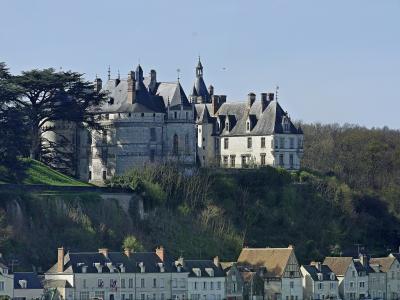
Parc de la Loire
Garden along the Loire River in Chinon
Historic Architecture · Nature & Parks
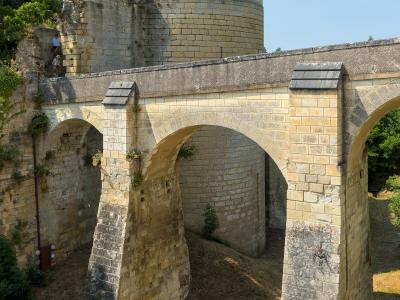
Pont de la Loire
Historic bridge crossing the Vienne in medieval Chinon
Historic Architecture · Urban Exploration
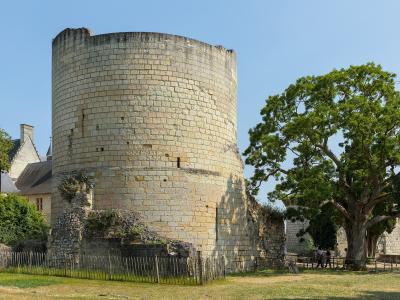
Château de Chinon
10th-century castle, Joan of Arc meeting site
From €12.50 Castles · Fortresses
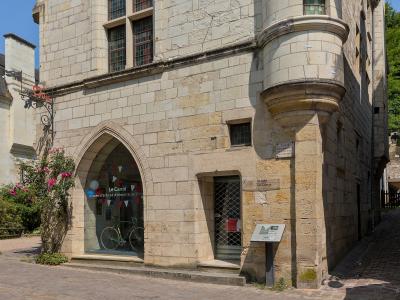
Musée de Chinon
Chinon history museum in a 15th-century hotel
Historic Architecture · Museums & Culture
Questions people ask
Quick Facts
Best Time to Visit
Mid-June to mid-September offers warm weather and ideal conditions for outdoor activities and sightseeing.