







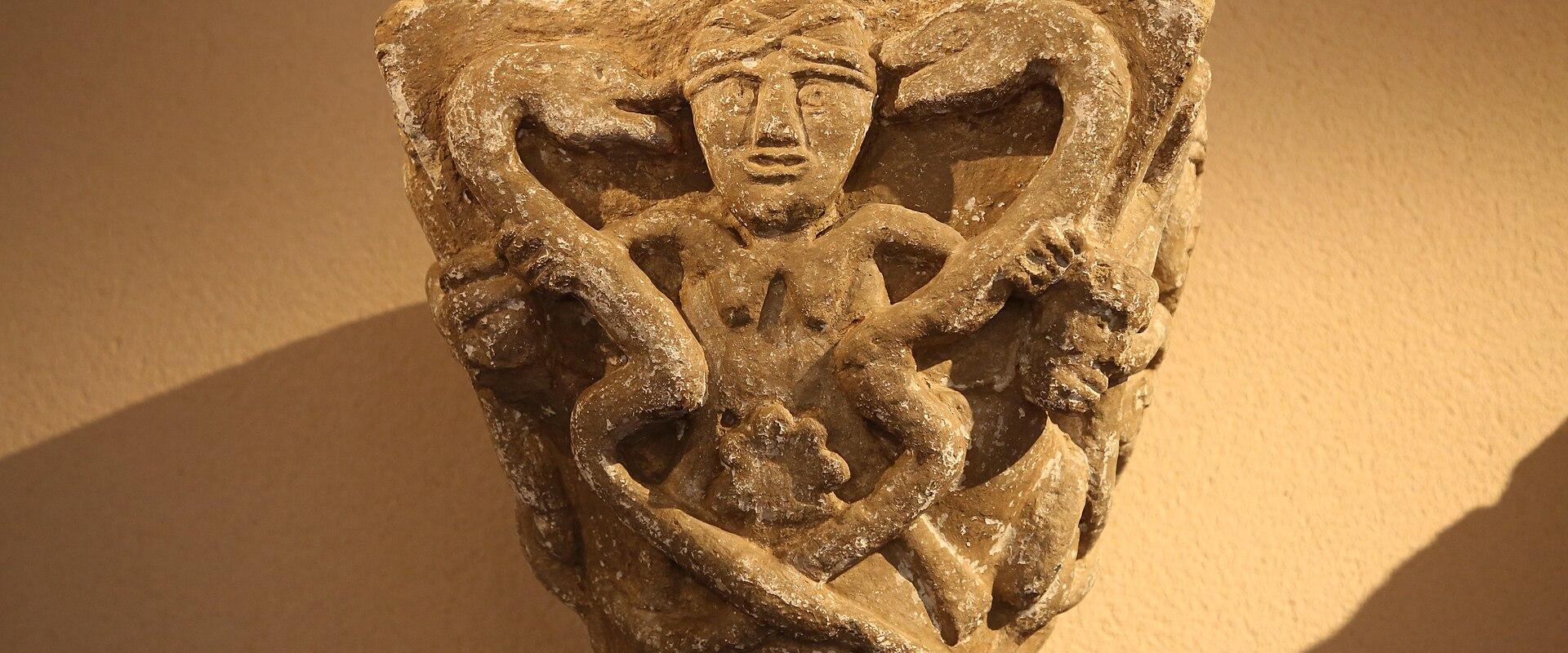
Musée de l'Abbaye
Former abbey farm housing regional heritage
- Hours
- Daily year-round. School period: Tue/Thu 2pm-6pm, Sat 2pm-7pm, Sun 10am-12pm & 2pm-7pm.
- Where
- Annecy-le-Vieux, Rhône-Alpes
- Directions
- Directions
The Musée de l'Abbaye is not a museum in the old town of Annecy, nor a medieval castle, as the tagline suggests. It is in Annecy-le-Vieux, a commune that adjoins Annecy on the lake's north-western side, and it occupies a former farm that belonged to the lands of an abbey. The great farm, the grande ferme de l'abbaye, was restored by the commune in the early 2000s and now works as an exhibition centre, with a focus on the rural and industrial history of the area. It gives a view of the Annecy region that is quite different from the postcard scenes of the old town and the lake.
The abbey in question was linked to the Sainte-Catherine monastery on the Semnoz mountain, and the surrounding estate included farms, fields and woods that supported the community. Rural life, with its seasonal work, animals and craft, is the starting point of the exhibits, and the building itself, with its large roof, thick walls and spacious interior, shows how such a farm functioned. Over the years, the farm has become part of the heritage of the town, and the displays help explain how an area that is now a prosperous lakeside suburb was once largely agricultural.
The industrial part of the story is particularly notable. In the late eighteenth century, the bellfounder Antoine Paccard set up a foundry in the Savoy, and in the nineteenth century the firm moved to Annecy-le-Vieux, near the new railway. The Paccard foundry became famous for casting bells for churches around the world, and one of its most celebrated works is La Savoyarde, the great bell of the Basilique du Sacré-Cœur in Paris, which was cast in 1891 and weighs almost nineteen tonnes. The museum recounts this story of craftsmanship, with models, tools and photographs showing how bells are made, from the clay mould to the pouring of molten bronze and the tuning of the sound.
The exhibition centre is quiet and educational, and it contrasts with the crowds of central Annecy. It works well as a short stop for those who want to understand the economic history of the region, or for families with children interested in how things are made. Opening hours are limited and change according to the season and the school calendar, so check them before going.
The old town of Annecy, a few kilometres away, is the main attraction of the area. The Château d'Annecy, the Palais de l'Isle, a small medieval building standing in the middle of the Thiou canal, the Cathédrale Saint-Pierre, the Marché d'Annecy and the shore of the Lac d'Annecy are all worth a visit. The Musée Chantier, another local museum, adds more context.
The museum suits curious visitors, families and those who enjoy local history.
Categories
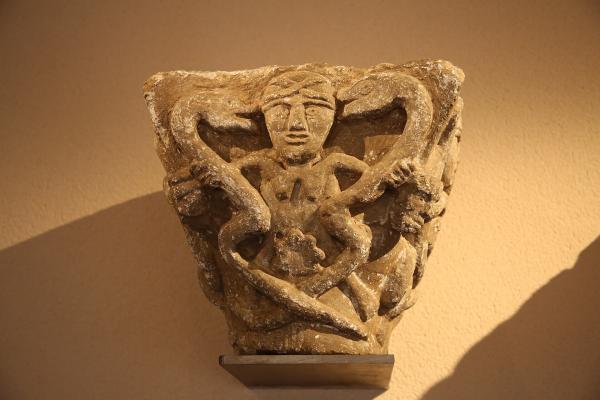
More photos coming soon
Opening Hours
- Open
- Daily year-round. School period: Tue/Thu 2pm-6pm, Sat 2pm-7pm, Sun 10am-12pm & 2pm-7pm.
Hours and prices change, especially out of season. Check with the venue before you go.
Nearby Attractions
Closest attractions by distance
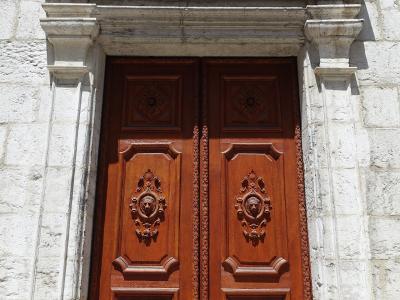
Cathédrale Saint-Pierre
16th-century national monument in Annecy
Free Historic Architecture · Churches
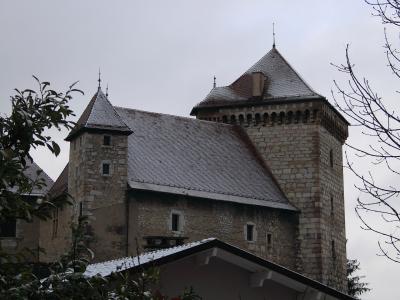
Musée Chantier
Medieval castle housing animation and regional art
Castles · Fortresses
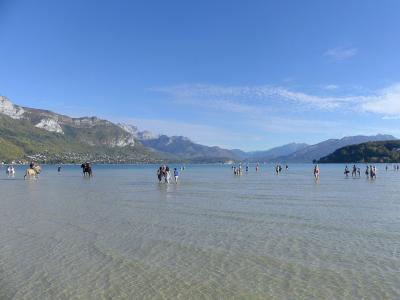
Marché d'Annecy
Open-air market on the Palais de l'Isle
Free Markets
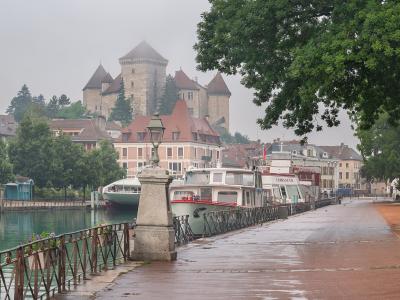
Château d'Annecy
12th-century castle housing a regional history museum
Castles · History Museums
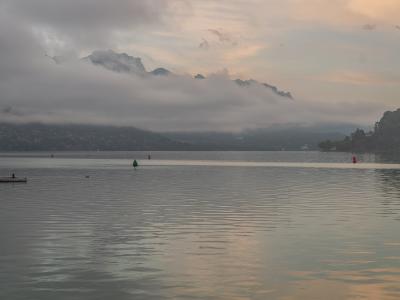
Lac d'Annecy
Glacial lake in the French Alps
Historic Towns · Rivers & Lakes
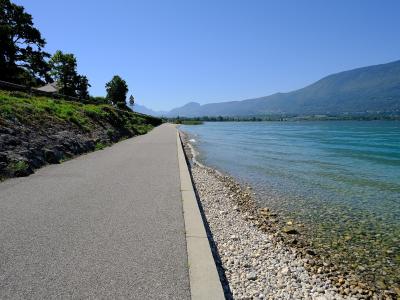
Lac du Bourget
France’s largest natural glacial lake
Beaches · Rivers & Lakes
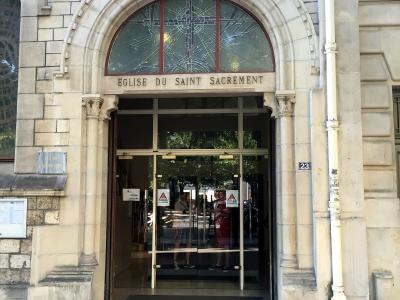
Église Saint-Sacrement
Historic parish church in renowned French spa town
Free Historic Architecture
Parc de la Perrière
Urban park in central Aix-les-Bains
Nature & Parks
Questions people ask
Quick Facts
Best Time to Visit
May to September suits the lake, the shoreline paths and the surrounding hills. Early autumn is clear and quiet. In winter the town is mostly an everyday suburb, though skiing is within reach.