







- Admission
- Free for visitors under 25
- Hours
- Closed
- Where
- Nevers, Burgundy
- Directions
- Directions
Nevers is a town on the Loire in the Nièvre department of Burgundy, and its fine arts museum, officially the Musée de la Faïence et des Beaux-Arts, tells the story of the craft that made the town famous, the making of faïence, tin-glazed earthenware. The museum was created in the 1840s by the town, in a former religious building in the old quarter, on the Rue Saint-Genest, and it was reorganised and reopened in 2013 in a new, modern presentation that sets historic and contemporary work together.
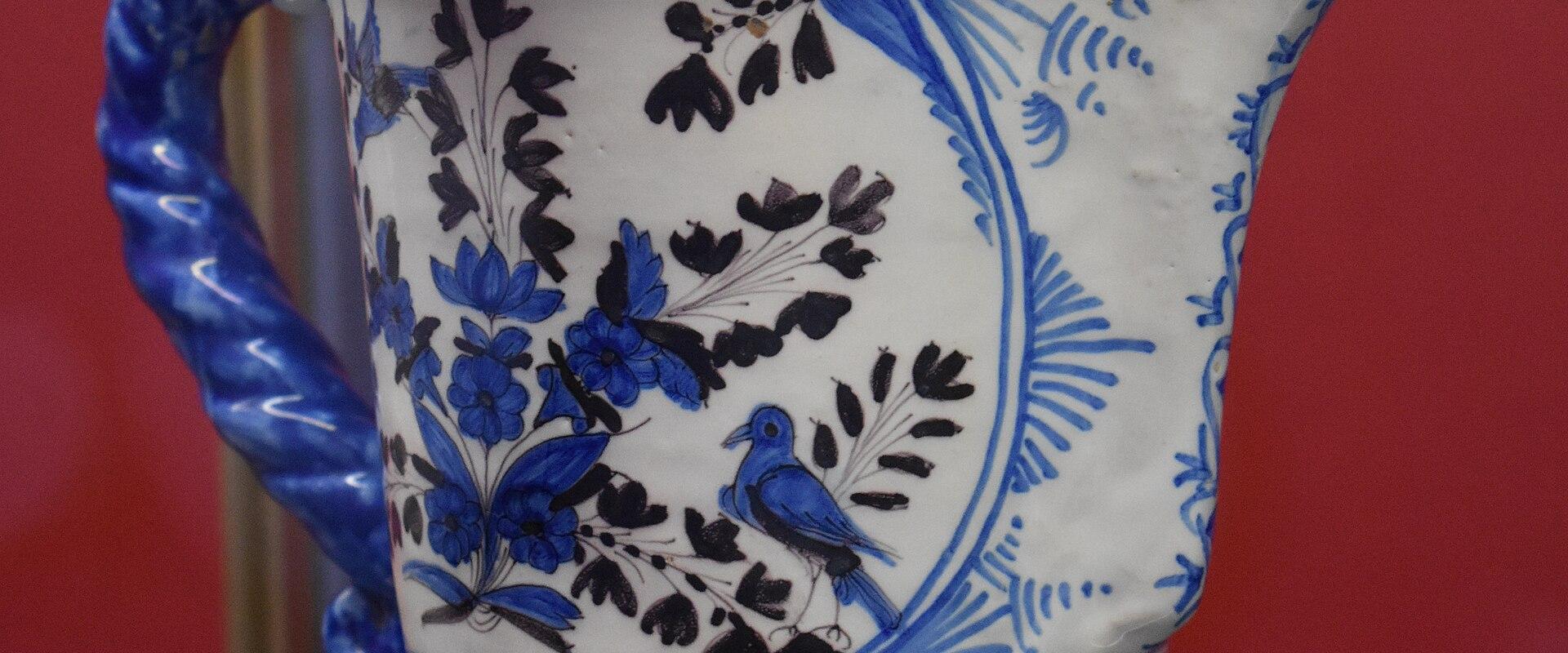
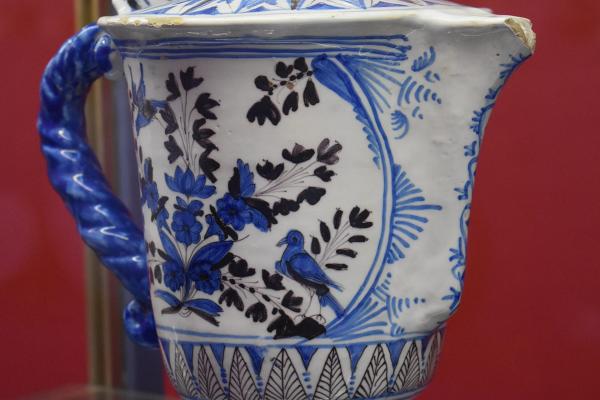
The story of Nevers faïence begins in the sixteenth century. The town was ruled by the dukes of Nevers, of the Gonzaga family from Italy, and in 1578 Duke Louis de Gonzague brought potters from Italy to work in Nevers, among them members of the Conrade family, who knew the techniques of Italian majolica. The workshops that grew in the town produced decorated plates, vases, jugs and apothecary jars, and Nevers became one of the leading centres of faïence in France, with its own style. The most famous is the deep blue known as bleu de Nevers, often used in combination with white, yellow and green, and the designs range from religious and historical scenes to flowers and birds, and in the eighteenth century, from Chinese-inspired patterns to scenes of the Revolution painted on plates. The museum's collection of Nevers faïence is among the most important in the world, and the display shows the development of forms and decoration over three centuries.
Besides the faïence, the museum shows paintings, sculpture and decorative arts from the Middle Ages to the twentieth century, as well as temporary exhibitions that change several times a year. It offers workshops for children and adults, conferences, a library and a shop, and it provides information in French, English, German and Spanish. Admission is free for visitors under 25, and pets are not allowed.
The museum is a good half-day visit, along with the other sights of Nevers, the Palais Ducal, the cathedral of Saint-Cyr-et-Sainte-Julitte, with its two apses, and the Église Saint-Étienne, a fine Romanesque church. Nevers is also known as the place where Bernadette Soubirous, the visionary of Lourdes, spent the last years of her life as a nun, and her body lies in a convent chapel. The Loire quays are pleasant for a walk. The museum suits lovers of ceramics, decorative arts and local history.
Categories
More photos coming soon
Hours & Fees
- Open
- Closed
- Admission
- Free for visitors under 25
Hours and prices change, especially out of season. Check with the venue before you go.
Nearby Attractions
Other places to visit in Nevers
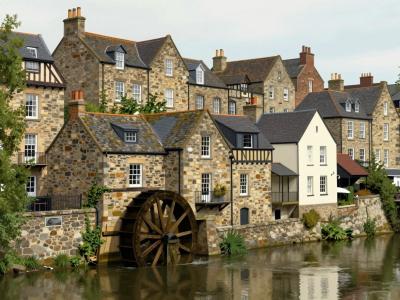
Quartier des Tanneurs
Historic tanners' quarter on the Nièvre river
Historic Architecture · Urban Exploration
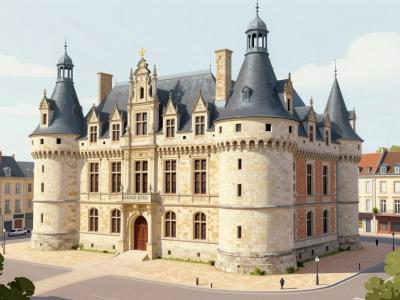
Château de Nevers
15th-century Renaissance palace with spiral staircase
Architectural Landmarks · Castles
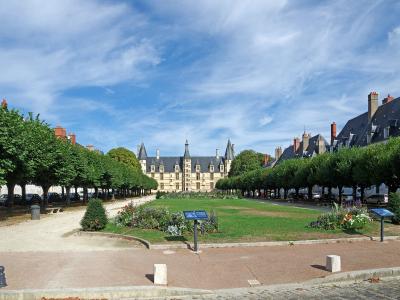
Palais des Ducs de Nevers
15th-century Renaissance palace housing city hall
Guided Tours · Palaces
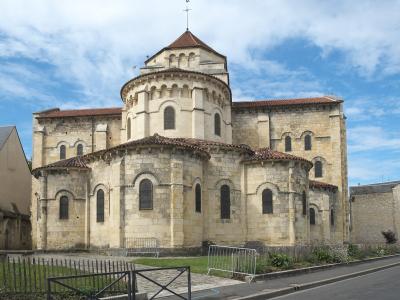
Basilique Saint-Étienne
Romanesque basilica in Nevers, France
Historic Architecture
Questions people ask
Quick Facts
Best Time to Visit
Mid-June to early September offers warm weather ideal for outdoor activities and river exploration.