







- Hours
- Visitors are advised to contact the site administration for current hours.
- Where
- Nevers, Burgundy
- Directions
- Directions
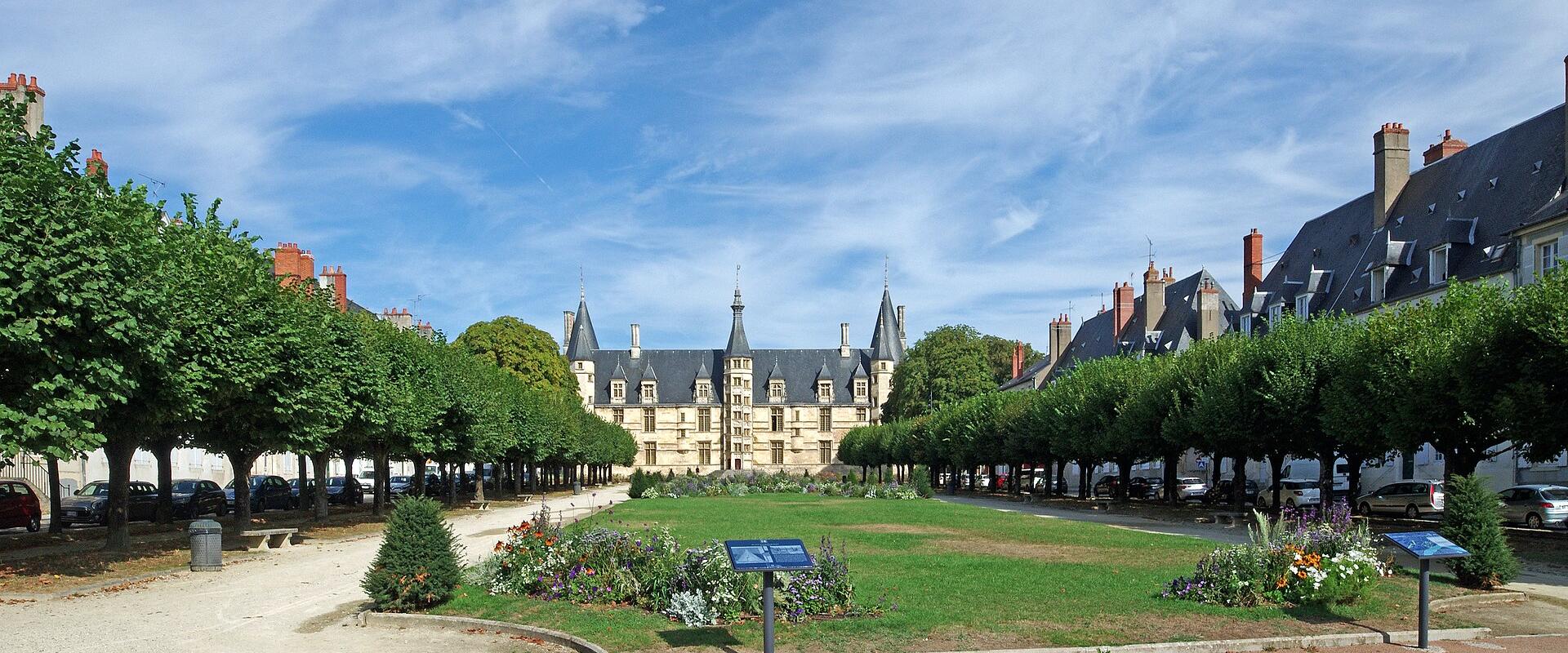
The Palais des Ducs de Nevers, also called the Palais ducal, overlooks the old town of Nevers, in the Nièvre, and it is one of the places where the Loire style of château-building first appeared in a town rather than in the countryside. The first major works were carried out in the fifteenth century by Jean de Clamecy, count of Nevers, who began to turn the old fortified residence into a more comfortable palace, and the building was completed in the early sixteenth century by his successors. The result is a transitional work between the medieval castle and the Renaissance mansion, and it is often described as one of the first French châteaux to show the new style.
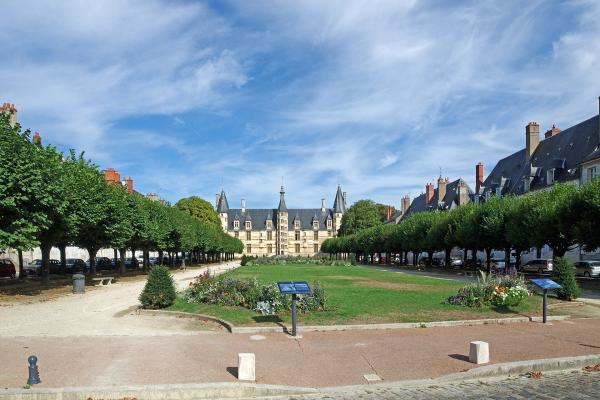
The front is made of warm ochre-coloured stone, with a long, straight façade and large windows. It is flanked by polygonal towers with steep roofs and decorative details, and the central tower, which contains the main staircase, is the most striking feature. The staircase is a spiral, an escalier à vis, with carved woodwork in a delicate, lace-like pattern, and it is the part of the building that most visitors remember. In the later sixteenth century the dukedom passed to Louis de Gonzague, a prince of the Gonzaga family from Mantua, and the palace was the seat of his court, which brought Italian taste to the Nivernais.
The palace remains a lively and working building. It houses municipal offices, among them the mayor's office, and the tourist office, so it is easy to visit as part of a stay. Reception halls with high ceilings and historic fireplaces are used for civic ceremonies and can be seen on some visits, and temporary exhibitions are held in the rooms. In the vaulted dungeons below, a modern museum introduces the history and traditions of the town and the region, using displays and film, and it gives a short overview of the town's past, from its position on the Loire to its ceramics. Opening times vary, so contact the tourist office for details of visits and tours.
The grounds and terraces beside the palace give views over the roofs of the old town and the Loire, with its long bridge and the wooded banks, and you can enjoy a pleasant walk beside the river from here. The neighbouring cathedral, which has an unusual double apse and a mixture of Romanesque and Gothic parts, stands next to the palace, making this one of the best-looking corners of the town.
Nevers is famous for its faience, glazed pottery decorated in blue and other colours, which has been made here since the sixteenth century, and the Musée Magnin and the Musée des Beaux-Arts display fine examples. The town is also a centre of pilgrimage, as the saint Bernadette Soubirous, who saw the apparitions at Lourdes, spent the last years of her life in a convent in Nevers, and her body is displayed in a glass shrine at the convent chapel. The Quartier des Tanneurs and the Quai de la Loire are good for a walk. The palace suits those interested in Renaissance architecture and in the history of the Loire.
Categories
More photos coming soon
Opening Hours
- Open
- Visitors are advised to contact the site administration for current hours.
Hours and prices change, especially out of season. Check with the venue before you go.
Nearby Attractions
Other places to visit in Nevers
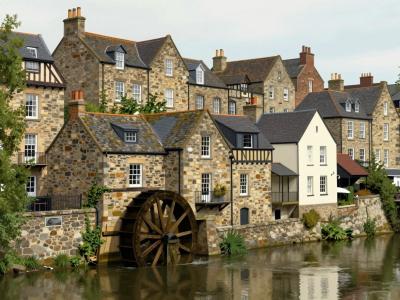
Quartier des Tanneurs
Historic tanners' quarter on the Nièvre river
Historic Architecture · Urban Exploration
Château de Nevers
15th-century Renaissance palace with spiral staircase
Architectural Landmarks · Castles
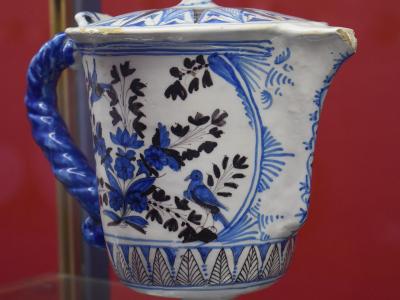
Musée des Beaux-Arts de Nevers
19th-century faience and fine arts museum
Museums & Culture · Art Museums
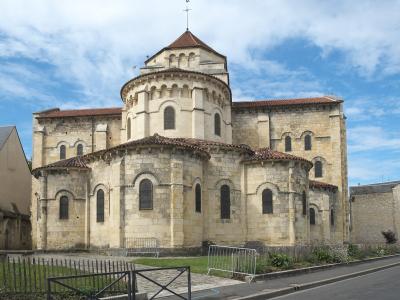
Basilique Saint-Étienne
Romanesque basilica in Nevers, France
Historic Architecture
Questions people ask
Quick Facts
Best Time to Visit
Mid-June to early September offers warm weather ideal for outdoor activities and river exploration.