







Musée du Vin de Bordeaux
18th-century vaulted cellars showcasing Bordeaux wine tra...
- Hours
- Daily 10:30 AM to 6:00 PM
- Where
- Bordeaux, Aquitaine
- Directions
- Directions
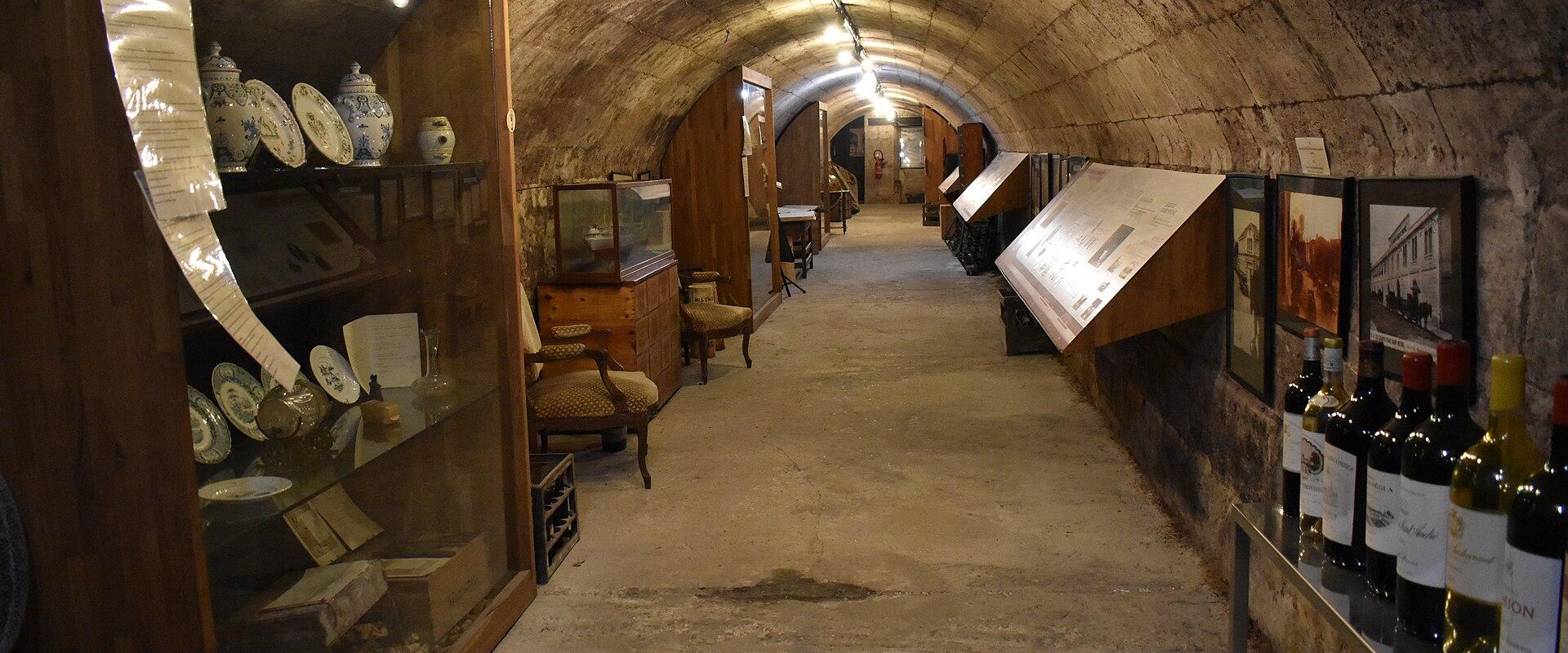
Bordeaux built its fortune on wine, and the Musée du Vin et du Négoce explains how. It is set in the Chartrons district, the quarter along the Garonne where the city's wine merchants, the négociants, have worked since the seventeenth century. The museum occupies the vaulted cellars of an eighteenth-century merchant's house, and it uses the building's own spaces, with their stone arches, barrels and low light, to show how the trade worked. The history of wine in Bordeaux is also a history of trade, and the museum tells it from the point of view of the merchants who shipped it.
The Chartrons quarter takes its name from a former Carthusian monastery. From the sixteenth century, merchants from the Netherlands, England, Ireland and Germany settled here and built up the export trade, and Dutch engineers helped drain the marshes in the surrounding region. The merchants lived above their cellars and warehouses, so that the streets still have a distinctive character, with elegant eighteenth-century façades, iron balconies, arched windows and handsome stairways, while below them the vaulted chais stored the barrels. A negociant's house typically included a cooperage, a shop and reception rooms as well as the cellars, and the museum preserves the front part of such a building.
The displays follow the development of Bordeaux and its port from Antiquity to the twentieth century. Vines were planted here under the Romans, and the wine trade grew in the Middle Ages when the region was under English rule and the wine, known in England as claret, was shipped in large quantities. The museum covers the role of the brokers and merchants, the techniques of cooperage and bottling, the evolution of labels and bottles and the importance of the port. You can follow the story at your own pace with a self-guided visit.
This is a smaller, more specialised museum than the modern Cité du Vin, which lies further north along the river, and the two complement each other: the Cité du Vin gives a global view of wine cultures, while the Chartrons museum gives an intimate view of the trade that made Bordeaux rich. Both belong in a visit that also includes the Place de la Bourse and the Miroir d'eau, the Cathédrale Saint-André, the Basilique Saint-Michel and the Musée d'Aquitaine, which tells the wider history of the region, and the Marché des Capucins, the city's famous covered market. Bordeaux's historic centre is listed by UNESCO as the Port of the Moon, after the crescent shape of the river.
The museum suits wine lovers, history enthusiasts and anyone who enjoys the atmosphere of old warehouses. Allow an hour, and consider combining it with a stroll through the Chartrons, whose antique dealers, cafés and weekend market make a good morning. Opening hours and tasting options change, so check before you go.
Categories
More photos coming soon
Opening Hours
- Open
- Daily 10:30 AM to 6:00 PM
Hours and prices change, especially out of season. Check with the venue before you go.
Nearby Attractions
Other places to visit in Bordeaux
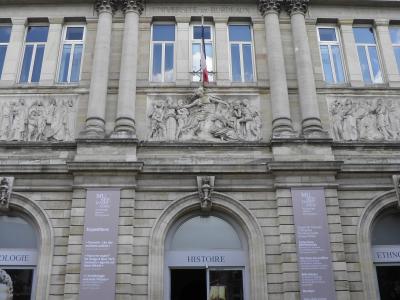
Musée d'Aquitaine
Historic museum of Bordeaux's 400,000-year heritage
Architectural Landmarks · History Museums
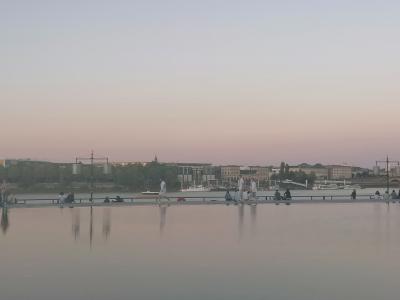
Miroir d'eau
World's largest reflecting pool on granite slab
Historic Architecture · Nature & Parks
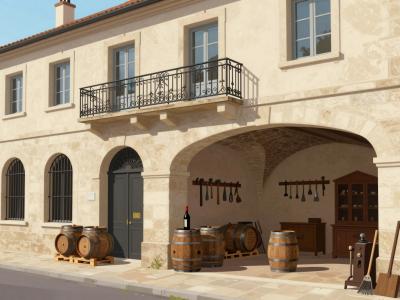
Bordeaux Wine Museum (Musée du Vin et du Négoce)
18th-century merchant house with guided wine tastings
Food & Wine · Historic Architecture
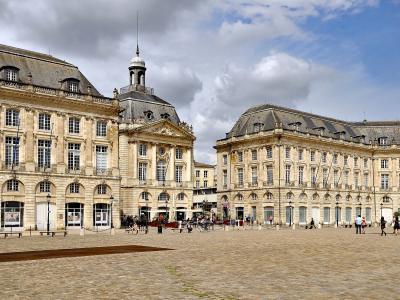
Place de la Bourse
18th-century royal square with iconic water mirror
Free Architectural Landmarks · City Centers
Questions people ask
Quick Facts
Best Time to Visit
May to June and September to October offer mild weather and fewer crowds for optimal exploration.