







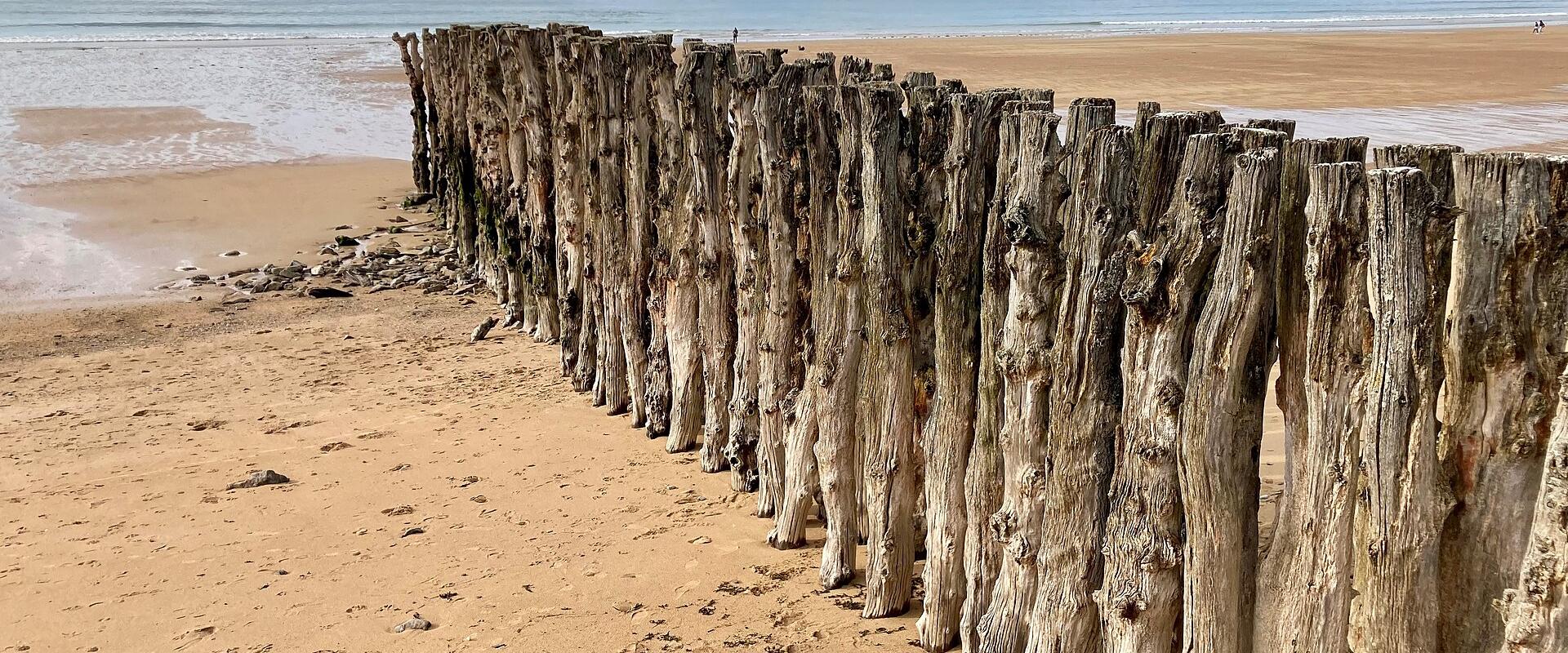
Plage du Sillon
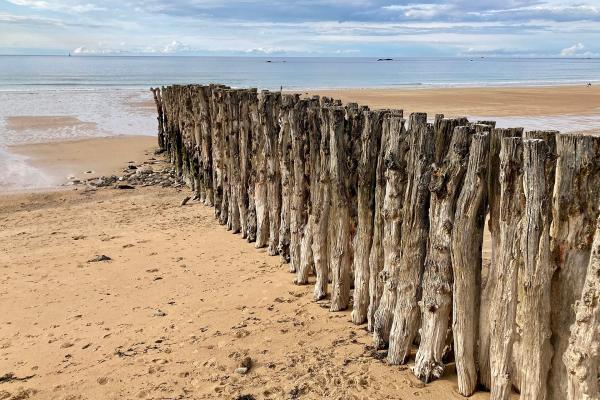
Saint-Malo's long sandy beach with its famous wooden breakwaters
- Admission
- Free admission
- Hours
- Open access at all times.
- Where
- Saint-Malo, Brittany
- Directions
- Directions
The Plage du Sillon, also called the Grande Plage, is the longest beach in Saint-Malo, a broad strip of sand running for about three kilometres from the walled city towards the districts of Paramé and Rothéneuf. It is backed by the Digue, a seawall promenade lined with hotels, villas and cafés, and it faces the open sea.
The beach is known for its rows of tall oak trunks, the brise-lames, planted in the 19th century to break the force of the waves and protect the seawall. Weathered by salt and wind, they have become one of the most photographed sights in Saint-Malo, especially at sunrise and at low tide. Because the tidal range is so large, the beach changes completely through the day: at low tide the sand stretches far out, while during the big equinox tides the waves can break over the Digue itself, a spectacle that draws crowds.
In summer the beach is popular for swimming, sunbathing, sailing and other water sports, and land yachting takes place on the wide sands at low tide. From its western end, near the walls of the old town, the Fort National is reached across the sand at low tide. The beach is free and open at all times, and a walk along the Digue makes a good complement to the ramparts.
Categories
More photos coming soon
Hours & Fees
- Open
- Open access at all times.
- Admission
- Free admission
Hours and prices change, especially out of season. Check with the venue before you go.
Nearby Attractions
Other places to visit in Saint-Malo

Cathédrale Saint-Vincent de Saint-Malo
The rebuilt cathedral at the heart of the walled city
Free Churches · Historic Towns
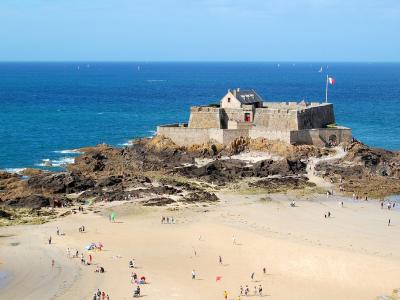
Fort National
Vauban-era sea fort reached across the sand at low tide
Coastal & Maritime · Historic Architecture
Grand Aquarium Saint-Malo
Marine life from Breton waters to tropical seas
Museums & Culture · Nature & Parks
Grand Bé
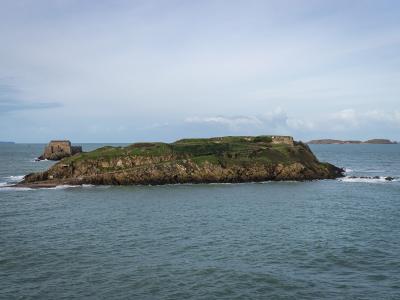
Tidal islet with the tomb of Chateaubriand
Free Coastal & Maritime · Heritage Trails
Questions people ask
Quick Facts
Best Time to Visit
June to September for beaches and long evenings on the ramparts; spring and autumn equinox tides are the most spectacular, and the walled city is calmer outside the summer holidays.