







- Where
- Saint-tropez, Provence-Alpes-Côte d'Azur
- Directions
- Directions
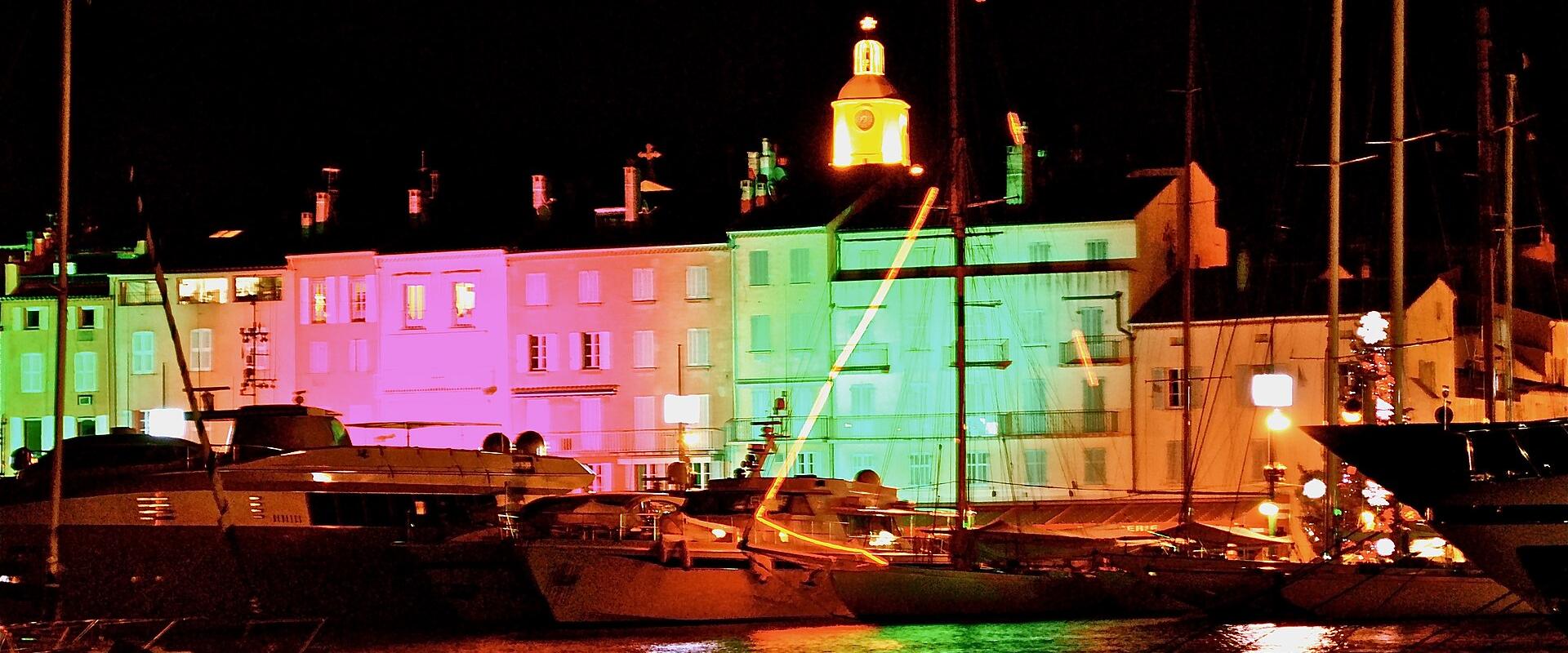
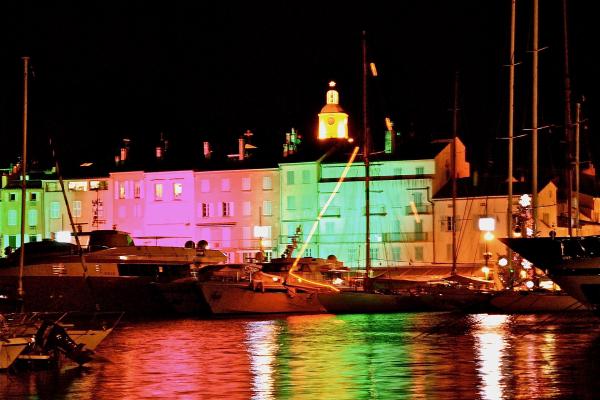
The port of Saint-Tropez is the picture most people have of the town: a small harbour packed with yachts and fishing boats, a row of ochre, pink and yellow houses along the quay, and café terraces where the watching of other people is the main activity. It lies on the southern shore of the Gulf of Saint-Tropez, on the Côte d'Azur, and for a village of fewer than five thousand people, it has a worldwide reputation. Walking along the quays at any time of day gives the best sense of why.
The village was a modest fishing port until the late nineteenth century. In 1892, the Neo-Impressionist painter Paul Signac sailed into the harbour, fell in love with it and bought a house, and he invited his friends to join him. Henri Matisse, Pierre Bonnard, Henri Manguin and other artists followed, attracted by the intense light and the colour of the sea and the roofs, and the paintings made here helped to shape modern art. Many of them hang in the Musée de l'Annonciade, a small museum of modern art installed in a former chapel on the port, which has one of the best collections of Post-Impressionist and Fauvist art on the coast. In the 1950s, the arrival of film-makers and stars, among them Brigitte Bardot in And God Created Woman, filmed here in 1956, turned the village into an international symbol of glamour, and a later series of comic films about the local gendarmes added to its fame.
The harbour has several faces. On the Quai Jean-Jaurès, the colourful buildings, the cafés and the superyachts form the classic scene, and on the Quai Suffren, a statue honours the eighteenth-century admiral, the Bailli de Suffren, who is associated with the town. At the end of the quay, the Môle Jean Réveille, the breakwater, gives a view of the whole bay and the hillside village. Behind the port, the old fishing quarter of La Ponche has narrow lanes, small beaches and a more local feel, and it is where the fishermen still land their catch. The Tour Vieille, an old defensive tower, guards the entrance. In May, the village celebrates its patron saint, Torpes, with the Bravade, a procession of costumed musketeers and soldiers firing salutes in the streets.
Above the port, the Citadelle offers views and houses a maritime museum, and the Église Notre-Dame-de-l'Assomption, with its pink and yellow bell tower, is a landmark. The Place des Lices, a short walk from the harbour, is the centre of village life, with plane trees, a market on Tuesday and Saturday mornings and games of pétanque. The famous beaches of Pampelonne lie several kilometres to the south, and the coastal paths towards Cap Camarat and Cap Taillat offer walks away from the crowds.
The port is busiest in July and August, when traffic can be heavy and the quays are packed, so visitors who prefer a quieter experience should come early in the morning, in the evening or in spring and autumn. Arriving by boat from Sainte-Maxime across the gulf is a pleasant alternative to driving. The port suits everyone and costs nothing to visit, though the cafés are expensive.
Categories
More photos coming soon
Nearby Attractions
Other places to visit in Saint-tropez
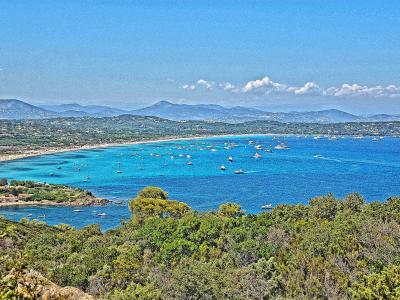
Plage de Pampelonne
4.5km golden sand beach in Ramatuelle, France
Free Coastal & Maritime · Beaches
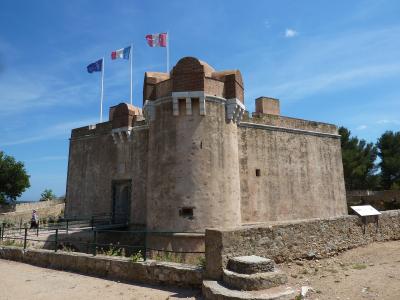
Musée de la Marine
Maritime history museum in Saint-Tropez Citadel dungeon
Coastal & Maritime · Historic Architecture
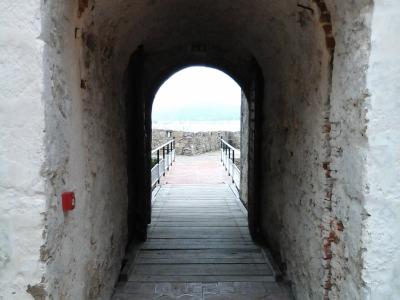
Citadelle Saint-Tropez
17th-century fortress housing the Maritime History Museum
Free Fortresses · Harbors
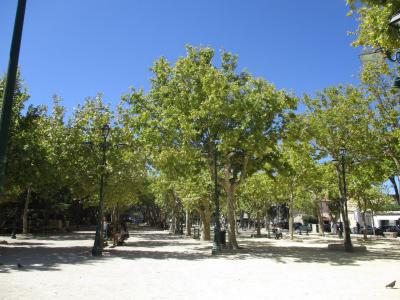
Place des Lices
19th-century square with plane trees and weekly markets
Free City Centers · Historic Towns
Questions people ask
Quick Facts
Best Time to Visit
May to June and September to October offer warm weather and fewer crowds for optimal exploration.