







- Where
- Riquewihr, Alsace
- Directions
- Directions
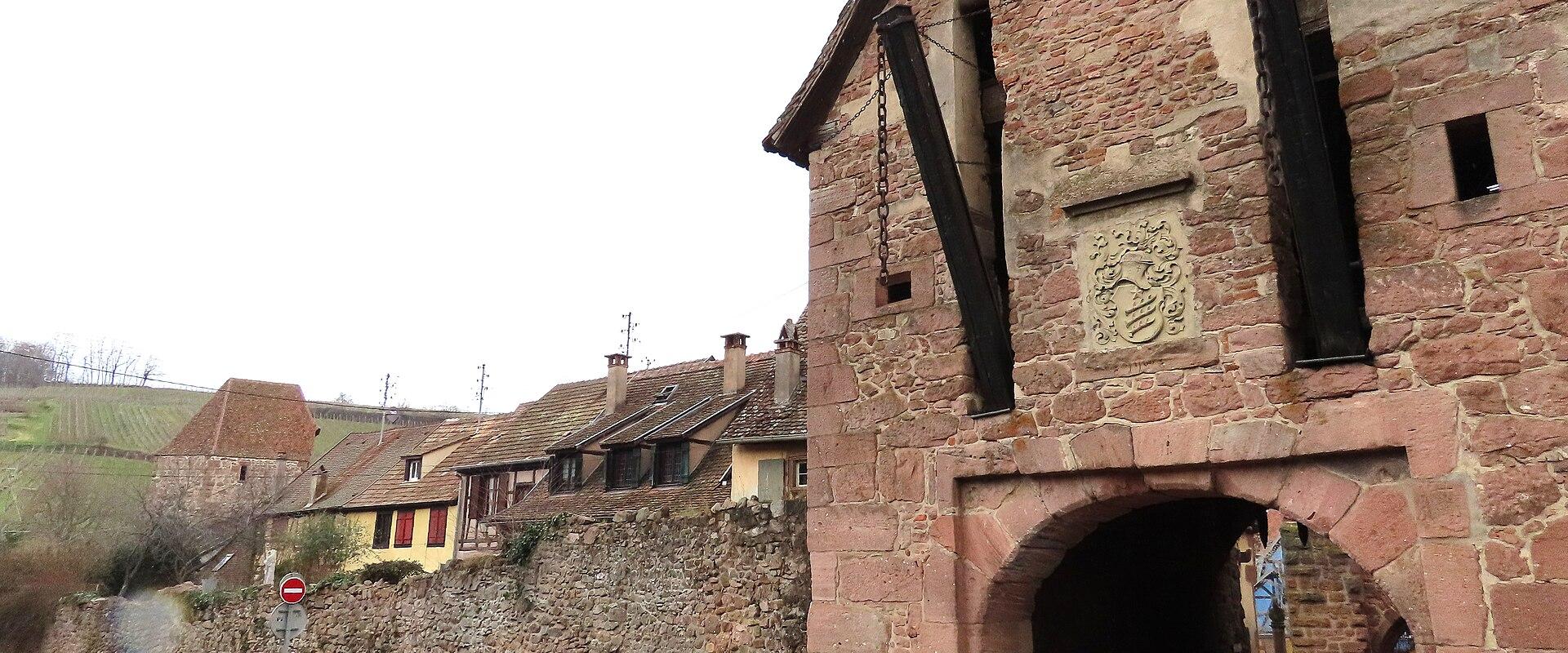
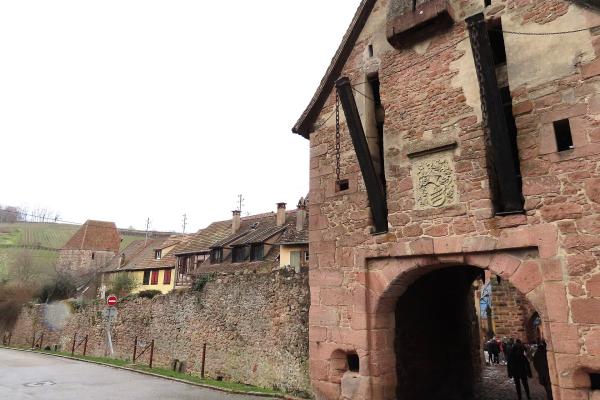
Riquewihr is one of the best-preserved fortified villages in Alsace, and its ramparts are the reason it looks the way it does. The village sits on the edge of the Vosges foothills among vineyards, and from the Middle Ages it was a wealthy wine town that needed to protect its stocks and its people. The defences begun in the late thirteenth century and extended afterwards enclosed the whole settlement within a compact oval, and the gates, towers and walls that survive give the village a clear boundary. Walking around the outside shows how small the walled area is and how closely the houses are packed behind the stone.
For several centuries Riquewihr belonged to the Württemberg family, who held it from the early fourteenth century until the French Revolution, and this explains much of its fortification. The counts invested in walls, a ditch and a second line of outer defences in the sixteenth century, so that the village had a double ring of walls, with a space between them. Much of this outer circuit survives. The result is a village that was heavily defended in an age of artillery and that, unlike many Alsatian towns, escaped major destruction in later wars, which is why its houses and walls are so well preserved.
The most important surviving element is the Dolder, the gate tower at the centre of the main street, which dates from 1291. Its upper levels house a small museum with displays on local history and weapons, and a climb to the top gives a good view over the roofs of the village, the vineyards and the plain beyond, towards the Black Forest on clear days. Close by is the Tour des Voleurs, the Thieves' Tower, a defensive tower that was later used as a prison and holds an exhibition of instruments of torture. Together the two towers show both sides of medieval defence: guarding the town and punishing those inside.
A walk along the foot of the walls and through the surrounding lanes is the best way to appreciate the fortifications. The stonework varies from massive medieval blocks to repairs of later centuries, and the sections where houses are built against the walls show how the village developed within its limits. Vineyards come right up to the walls in places, and the combination of vines and fortifications gives photographers rich material, especially in the low light of morning and evening. Inside, the Rue des Marchands is lined with half-timbered houses, and the Maison du Vin and the Église Saint-Nicolas are close to hand.
The site suits history lovers, photographers and wine tourists exploring the Alsace Wine Route. Visits can be short, but the village rewards an unhurried half-day, with tastings in the cellars and a meal in a winstub. Summer weekends and the Christmas market season are crowded, so quieter periods in spring and early autumn are more relaxing. Museum opening times and entry fees change by season, so check locally.
More photos coming soon
Nearby Attractions
Other places to visit in Riquewihr
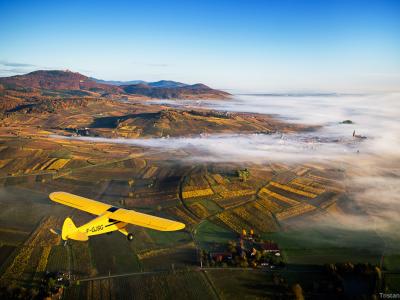
Vignobles d'Alsace (Alsatian Vineyards)
Vineyards in Riquewihr, Alsace
Historic Towns · Vineyards
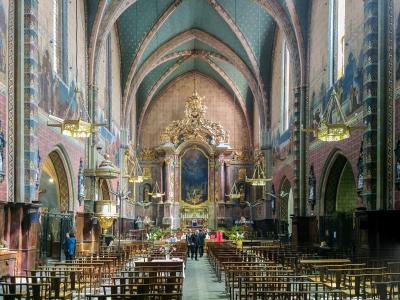
Église Saint-Nicolas
Historic church in Riquewihr's vineyard region
Historic Architecture · Urban Exploration
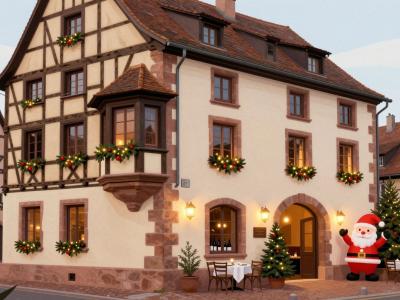
Maison du Vin
Alsace wine museum in Riquewihr
Food & Wine · Museums & Culture
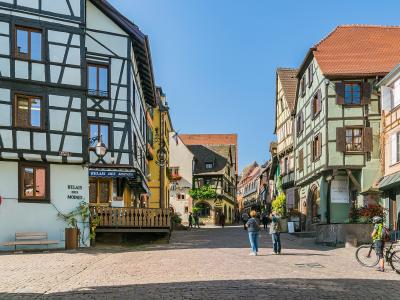
Rue des Marchands
Historic street in Riquewihr, Alsace
Historic Towns · Villages
Questions people ask
Quick Facts
Best Time to Visit
Mid-June to early September offers warm weather and ideal conditions for outdoor activities and sightseeing.