







- Admission
- Free admission
- Hours
- Open every day, 24 hours a day
- Where
- Lourdes, Midi-Pyrénées
- Directions
- Directions
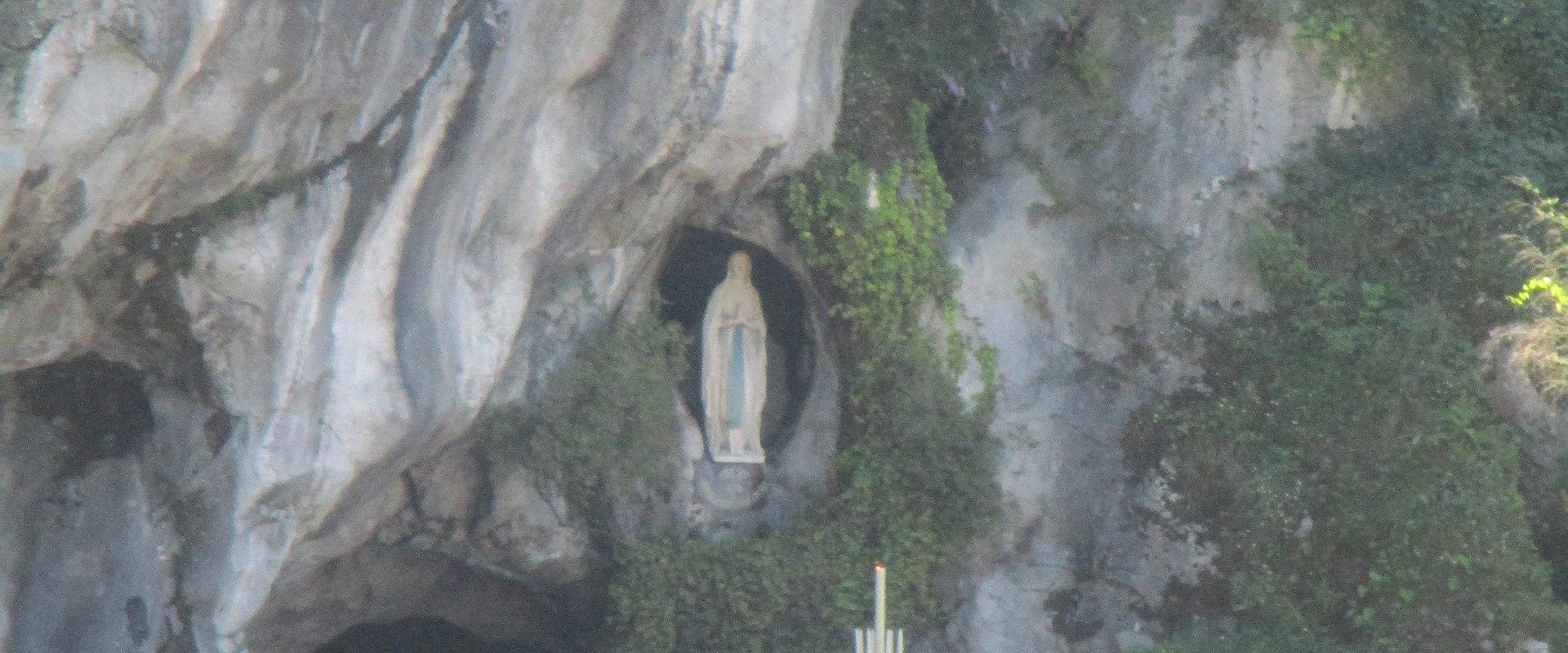
The Grotto of Massabielle is the place where, according to Catholic tradition, the Virgin Mary appeared to a fourteen-year-old girl named Bernadette Soubirous in 1858, and it is the spiritual centre of Lourdes. The grotto is a shallow cave in a rock face beside the Gave de Pau river, once a rough area used for pasturing pigs and gathering firewood. Between February and July 1858, Bernadette reported eighteen apparitions here, and her story, after an official church inquiry, led to the recognition of the apparitions and the creation of a sanctuary that now receives millions of pilgrims each year.
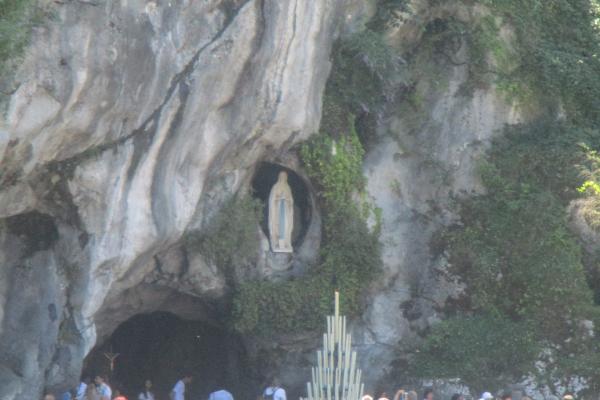
The grotto itself is simple. A statue of the Virgin stands in a niche above the spot where the apparitions took place, and the walls of the cave are dark and polished by the touch of countless hands. The statue, made by the sculptor Joseph-Hugues Fabisch in the 1860s, shows Mary as Bernadette described her, in white with a blue sash. Beside the rock is the spring that Bernadette uncovered at the instruction she says she received during one of the apparitions, and its water is available at taps along the wall of the grotto, where pilgrims fill bottles and wash their hands and faces. Candles burn in rows near the rock, and the atmosphere is one of prayer rather than sightseeing. The grotto is open at all hours, and entry is free.
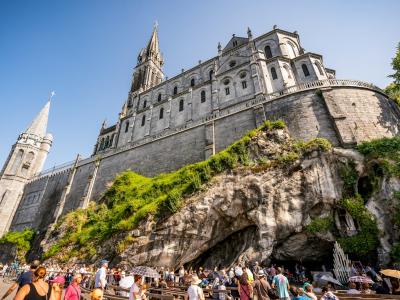
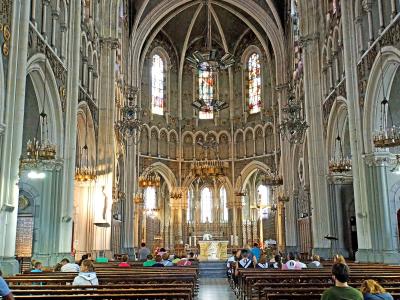
The grotto is the origin of a large sanctuary complex. Above it rises the Basilica of the Immaculate Conception, the Upper Basilica, a Gothic Revival church completed in 1871, and below it lies the Rosary Basilica, with its domed Byzantine-style interior and mosaics. A third, very different building is the Basilica of Saint Pius X, a vast underground concrete space for large gatherings, built for the centenary in 1958. In the evenings, from spring to autumn, pilgrims join a candlelight procession with hymns and prayers in different languages, and a daily programme of Masses, processions and services takes place. The baths, where pilgrims bathe in the spring water, are open on certain hours.
An important part of Lourdes is the care of the sick and disabled, who come on organised pilgrimages accompanied by volunteers, and the atmosphere in the sanctuary reflects this. Visitors should be respectful, speak quietly and avoid photographing people who are praying or being cared for. Dress modestly, and note that busy days can mean queues for the baths and procession.
Lourdes has other attractions. The Musée des Apparitions and the Musée des Tissus et des Arts Décoratifs offer further context, and the old Château Fort above the town houses a museum of Pyrenean life. Walks along the Gave de Pau provide a calmer setting, and the Pic du Jer, reached by a funicular, gives views over the town. The Pyrenees lie close, with the Cirque de Gavarnie and Pont d'Espagne within a day's trip. The grotto suits pilgrims and those interested in religious history and tradition, and visits can be quiet or crowded depending on the season.
More photos coming soon
Hours & Fees
- Open
- Open every day, 24 hours a day
- Admission
- Free admission
Hours and prices change, especially out of season. Check with the venue before you go.
Nearby Attractions
Other places to visit in Lourdes
Basilica of St. Pius X (Lower Basilica)
Underground basilica holding 25,000 visitors
Churches · Guided Tours
Basilica of the Immaculate Conception (Upper Basilica)
1858 apparition site and Marian shrine
Free Churches · Guided Tours
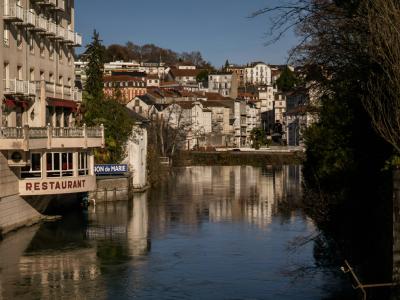
Gave de Pau River Walks
Scenic riverside greenway in historic Lourdes
Free Guided Experiences · Nature & Parks
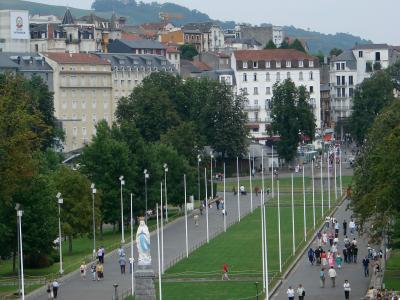
Place du Rosaire
Romano-Byzantine basilica with 2,000 m² of Venetian mosaics
Historic Architecture · Urban Exploration
Questions people ask
Quick Facts
Best Time to Visit
March to May and September to October offer mild weather and fewer crowds for optimal exploration.