







- Admission
- Contact +33 3 86 33 39 50 for pricing
- Hours
- 7:00 AM to 8:00 PM
- Where
- Vezelay, Burgundy
- Directions
- Directions
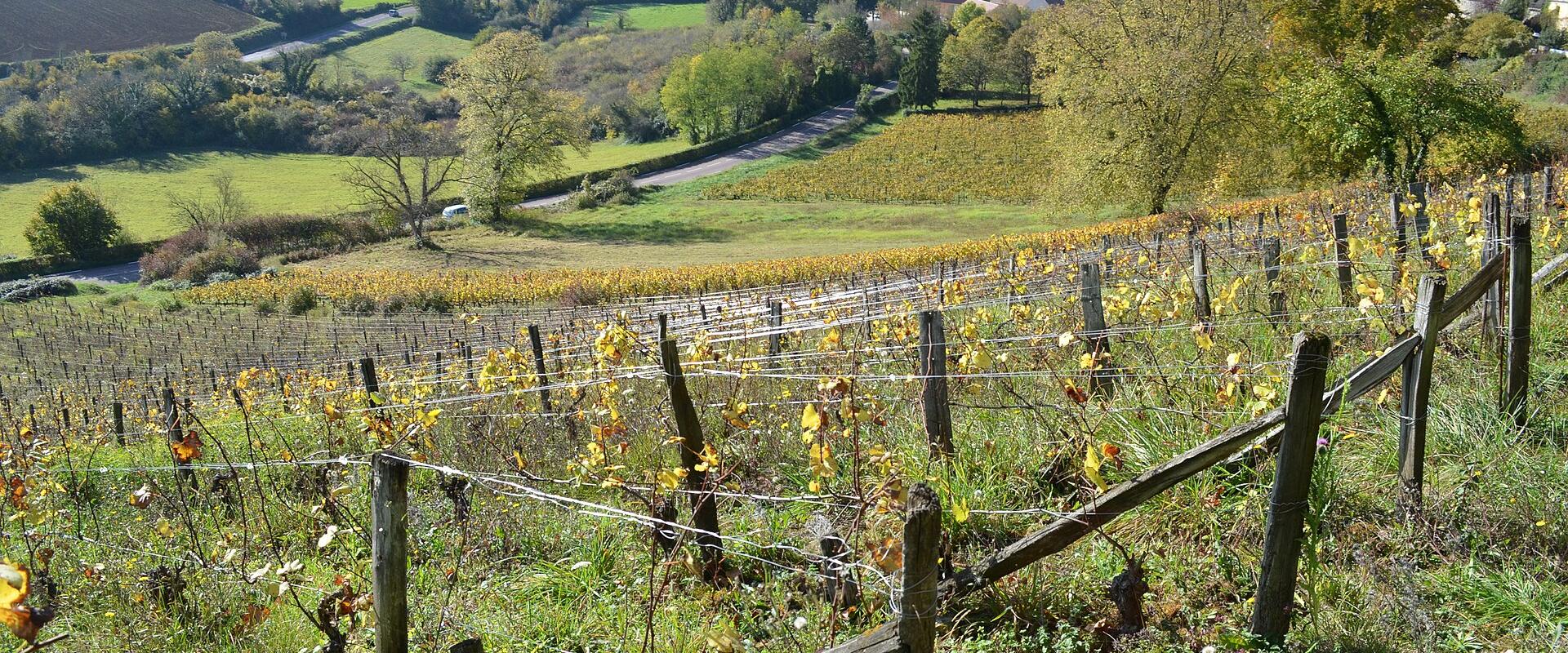
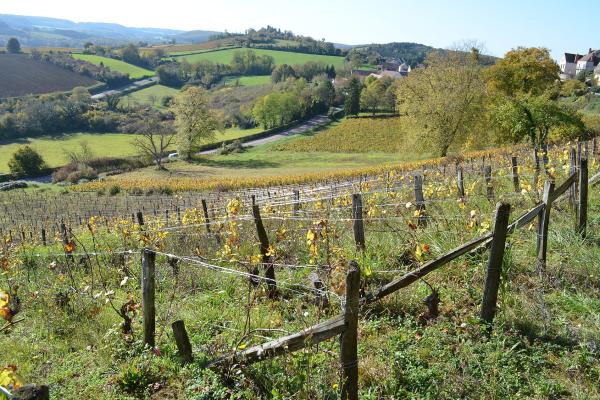
Vézelay stands on a long hill at the northern edge of the Morvan, in the Yonne department, and its slopes carry some of the northernmost vineyards of Burgundy. The wines are mostly white, made from Chardonnay, and they carry the Vézelay appellation, with a smaller production of red wine from Pinot Noir. The vines grow on limestone and clay soils on the slopes around the town and in the neighbouring villages, among them Asquins, Saint-Père and Tharoiseau, which all have family estates, and many of them welcome visitors for tastings in their cellars.
Vineyards have a long history here. In the Middle Ages, the abbey of Vézelay and its monks owned vines, and wine was one of the sources of the wealth of the pilgrimage town, which received large numbers of travellers at the foot of the great basilica. The area was much larger as a wine region then than now. The vineyards suffered a long decline after the vine louse, phylloxera, destroyed them in the late nineteenth century, and for decades, only a few remained. They were replanted from the second half of the twentieth century, and a new generation of growers has brought the quality back, so that the wines of Vézelay have won recognition for their freshness and mineral character. A number of producers farm organically or biodynamically.
The setting is the main attraction. The Romanesque basilica of Sainte-Marie-Madeleine, a UNESCO World Heritage Site, crowns the hilltop at the end of a steep street lined with old houses, shops and galleries, and the vineyards spread out below on the slopes, so that a walk among the vines gives wide views over the green hills of the Morvan and the valley of the Cure river. The basilica is famous for its sculpted capitals, its luminous nave and its role as a starting point of one of the great pilgrim routes to Santiago de Compostela. It is also a place of historical drama: in 1146 Bernard of Clairvaux preached the Second Crusade here, and in 1190 two kings, Philip Augustus of France and Richard the Lionheart of England, met at Vézelay before leaving for the Third Crusade.
Visitors usually combine a morning in the town with an afternoon in the vineyards. Marked footpaths and cycling routes link the villages, and the cool climate suits walking in summer. The whites go well with the local cooking, which includes river fish, goat's cheese, and dishes from the Morvan, such as ham and cream sauces, and a glass of Vézelay with lunch in the town is a pleasant reward after the climb up to the basilica. The surrounding countryside is dotted with Romanesque chapels and small villages, and the writer Romain Rolland lived and is buried near Vézelay.
It is best to telephone ahead, since many small estates welcome visitors by appointment, and to plan for one person to stay sober if several cellars are on the list. The town is busy in summer, especially on the days around the feast of Mary Magdalene in July, so arrive early. The area suits wine lovers, walkers, cyclists and those interested in medieval history. The path up to the basilica is steep, and the surfaces can be uneven.
Categories
More photos coming soon
Hours & Fees
- Open
- 7:00 AM to 8:00 PM
- Admission
- Contact +33 3 86 33 39 50 for pricing
Hours and prices change, especially out of season. Check with the venue before you go.
Nearby Attractions
Other places to visit in Vezelay
Place de la Halle
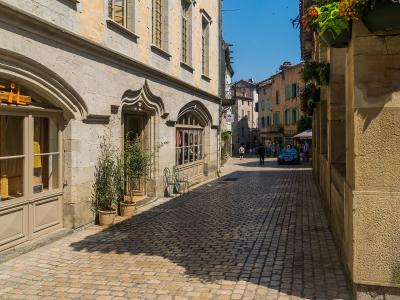
Vezelay market square below the UNESCO Basilica
Historic Towns · Squares
Musée de Vézelay
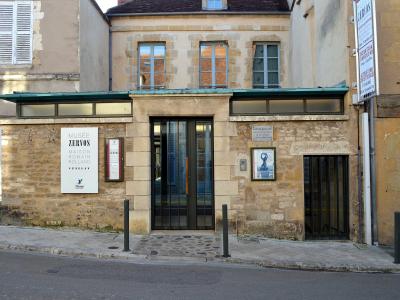
1000-year-old Romanesque basilica
Historic Architecture · Museums & Culture
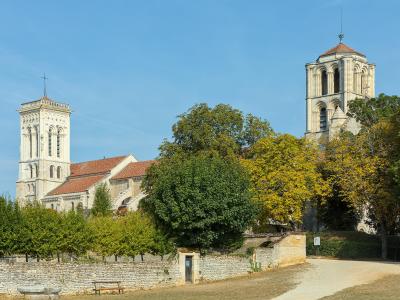
Parc de la Vézelay
Millennium-old abbey and UNESCO village
Guided Experiences · Historic Architecture
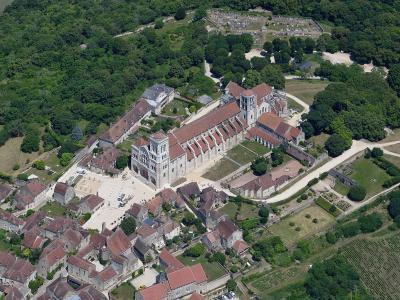
Point de Vue du Mont Vézelay
UNESCO village basilica, starting point of the Second Cru...
Guided Experiences · Historic Architecture
Questions people ask
Quick Facts
Best Time to Visit
April to June and September to October offer mild weather and fewer crowds for optimal exploration.