







Beaulieu-sur-Mer
Belle Epoque Riviera resort between Nice and Monaco, home of Villa Kérylos
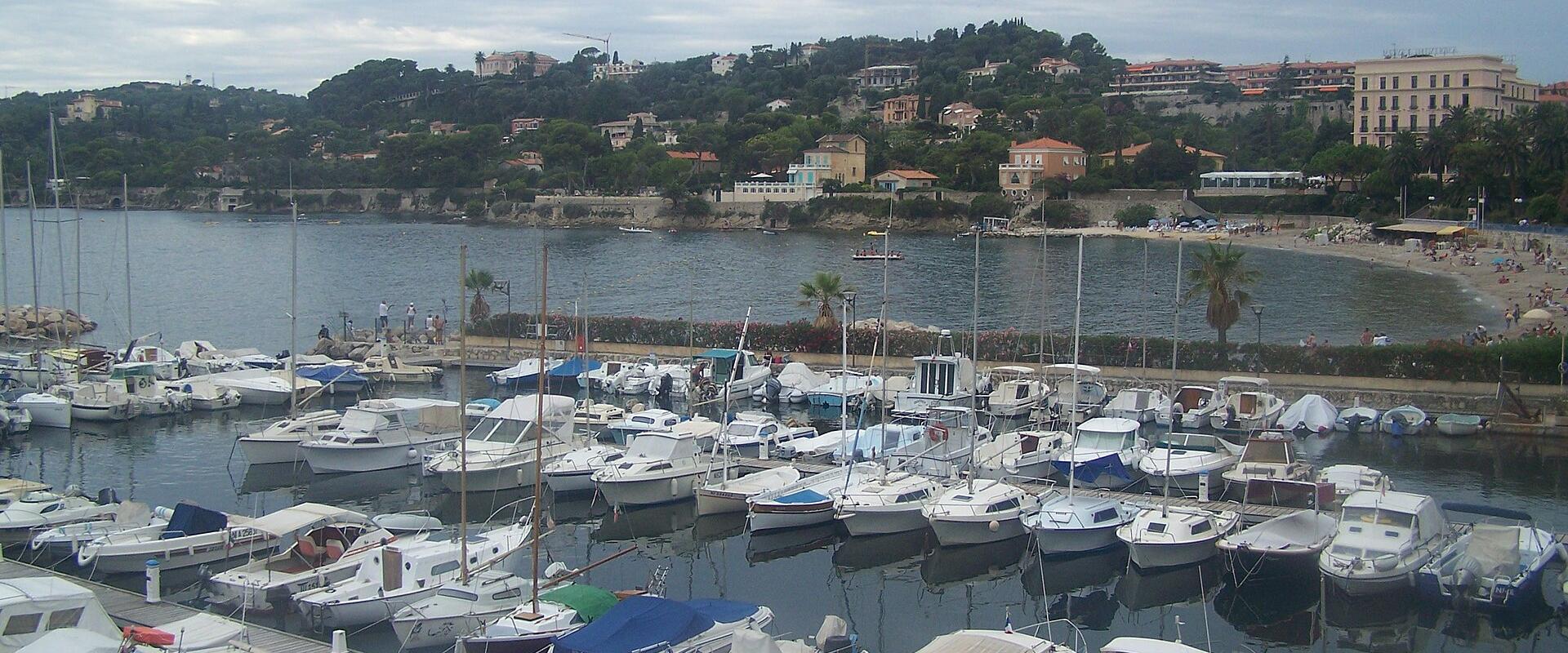
Beaulieu-sur-Mer lies on the Mediterranean coast between Nice and Monaco, at the foot of a steep slope that rises behind the town. The setting protects it from the north wind and traps the sun, which gives the town a very mild winter. In the nineteenth century this made it popular with visitors who wanted to escape cold northern cities, and it earned a nickname that compared it to North Africa. It is small, with an area of less than one square kilometre, but the sea frontage, the harbour and the hotels give it a much larger presence than the numbers suggest.
For centuries the site belonged to the territory of Villefranche-sur-Mer. In 1891, after a decision by the French parliament, Beaulieu became a separate commune. It was already a resort, and the Belle Époque brought grand hotels, villas, gardens and a casino. Many well-known people stayed here, including the writer Leo Tolstoy, the engineer Gustave Eiffel and the composer Igor Stravinsky. Walking through the town you can still see buildings from that time, with their balconies, palm trees and ornamental ironwork.
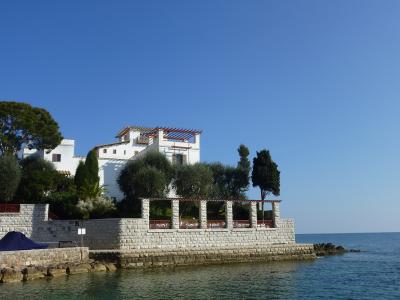
The major sight is the Villa Kérylos, in the Baie des Fourmis. Théodore Reinach, a scholar of ancient Greece, a member of the Institut de France and a politician, wanted to build a house in which he could live as a Greek of the age of Pericles. He worked with the architect Emmanuel Pontremoli, who had studied in Athens, and the villa was built from 1902 to 1908 on a rocky point beside the sea. The name Kérylos comes from the Greek word for the halcyon, a mythical seabird. The house has rooms around a central peristyle courtyard, mosaics, painted walls and furniture copied from ancient models, with modern comforts such as bathrooms and heating fitted in discreetly. Reinach left the villa to the Institut de France, which now owns and maintains it. It is a monument historique, and visitors can see the interior and a small garden, and read about the way it was designed. Check opening times on the day, as they change between seasons.
The harbour at the Baie des Fourmis holds pleasure boats and has restaurants with views over the water. A seafront promenade runs along the coast, and there are small beaches of pebbles, with a few cafés and a casino. The town centre, around a few streets near the station, has a market, bakeries and shops, and gives a more everyday impression than nearby Nice or Monaco.
One of the best walks starts here. A coastal footpath leads along the edge of the sea to the Cap Ferrat peninsula, a quiet spot lined with large villas, with views over the bay and a look at the lighthouse. Nearby, in Saint-Jean-Cap-Ferrat, you can visit the Villa Ephrussi de Rothschild and its gardens. Èze and its hilltop village lie in the hills above, and there are walking routes along the old paths that join the coast and the mountains.
Getting here is simple. Beaulieu-sur-Mer has a station on the Marseille–Ventimiglia railway, with regional trains that stop at Nice in about ten minutes, and at Monaco and Menton in a comparable time. The roads along the coast are often busy, so the train is the easiest way to reach the town, especially in summer.
The best seasons are spring and autumn, when the air is warm, the water is calmer and the town is less crowded. Winter is mild and gentle, and a visit at that time recalls the original reason for the resort. Summer is hot and busy, with many people on the beaches and the promenade, and accommodation costs more. Whatever the season, allow time to combine the villa with a walk along the sea to Cap Ferrat and a meal by the harbour.
Best time to visit
Spring and autumn give warm, clear days without the crowds of July and August. Winters are mild, which is how the town became a resort in the first place. Midsummer is hot and busy.
What to see in Beaulieu-sur-Mer
Our picks first.
Beaulieu-sur-Mer by interest
The same sights, grouped by what you came for.
Planning a visit to Beaulieu-sur-Mer
Good to know
- Currency
- EUR
- Language
- French
Quick Facts
Book your stay
Questions people ask
More places in Provence-Alpes-Côte d'Azur
Provence-Alpes-Côte d'Azur
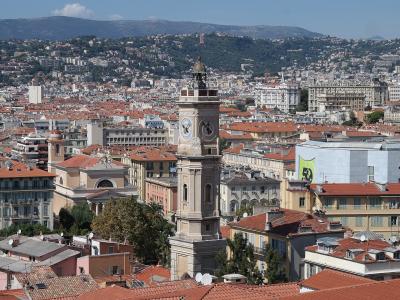
Nice
Capital of the French Riviera with Promenade des Anglais
Provence-Alpes-Côte d'Azur
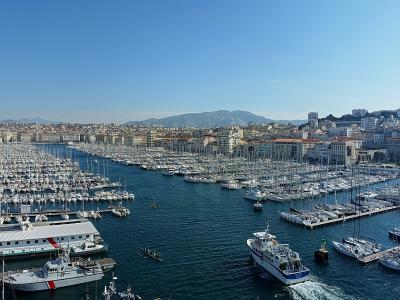
Marseille
France's oldest city and largest Mediterranean port
Provence-Alpes-Côte d'Azur
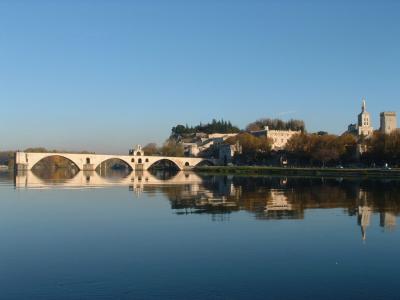
Avignon
The walled city of the popes on the Rhône, home of a world-famous theatre festival
Provence-Alpes-Côte d'Azur
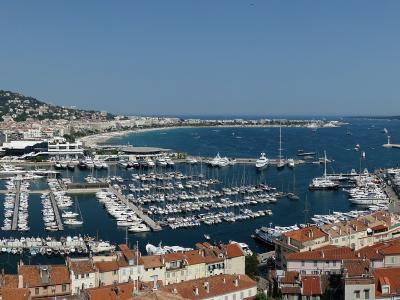
Cannes
Riviera glamour on La Croisette, home of the world's most famous film festival