

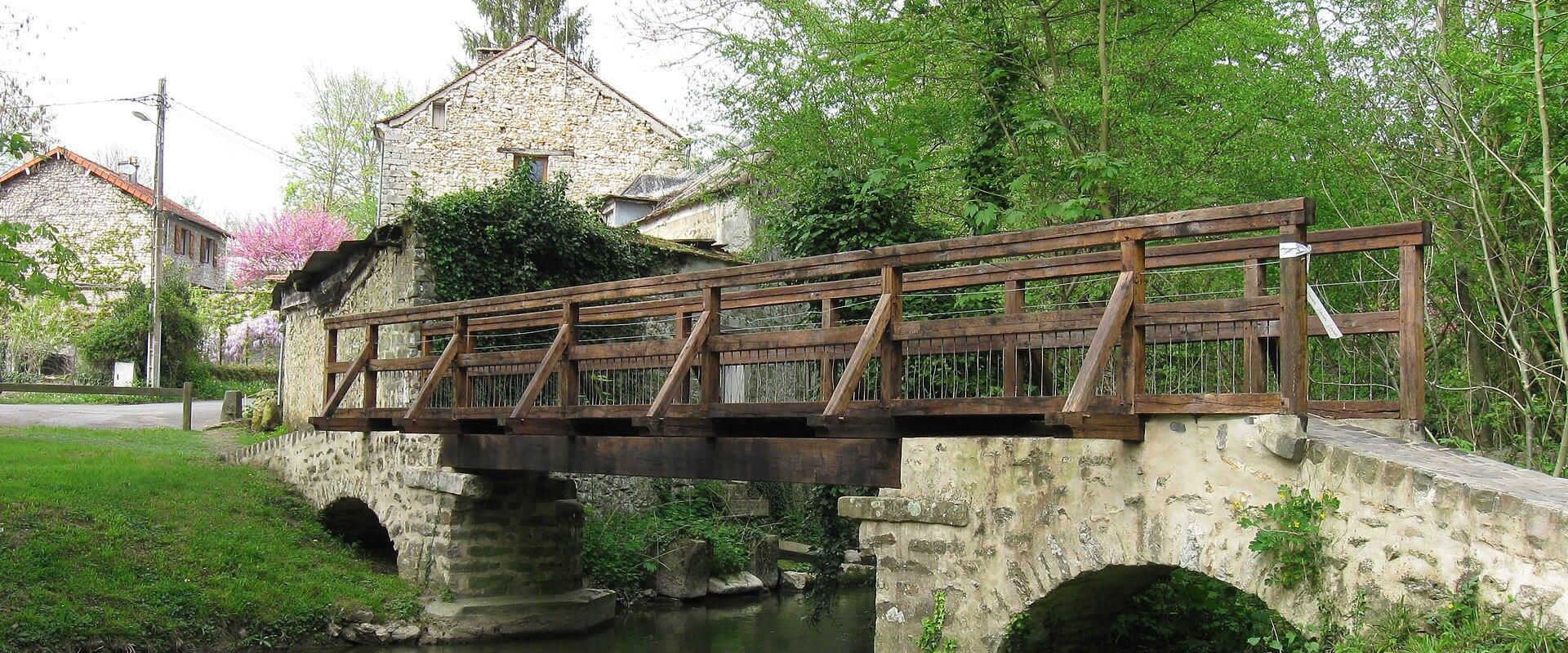
Maincy lies in the department of Seine-et-Marne, some fifty-five kilometres south-east of Paris, in the countryside between Melun and Fontainebleau. The land is gently rolling, with farmland, patches of woodland and a shallow stream valley. The village has a little under two thousand inhabitants, and its centre is simple and calm. For most of the visitors who pass through, the destination is the château, which stands on the edge of the village and takes most of an afternoon.
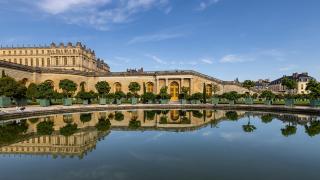
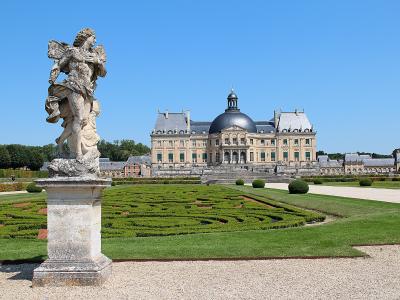
The Château de Vaux-le-Vicomte was built for Nicolas Fouquet, who became Louis XIV's superintendent of finances in the 1650s and was one of the richest men in France. He bought the estate in 1641 and began to rebuild it in 1658. To realise his plan he gathered a team of talented artists. Louis Le Vau designed the building, Charles Le Brun painted and supervised the decoration, and André Le Nôtre planned the gardens. It was the first time the three had worked together on this scale, and the result was a coherent whole: house, parterres, canals and avenues designed as a single composition. The estate covered a large area, and a number of existing houses and farms had to be cleared to make room for it.
Maincy also shared in Fouquet's ambitions. He set up a weaving workshop in the village, directed by Le Brun, to supply the château with woven hangings. The workshop was an early version of a royal manufacture, and after Fouquet's fall the king and his minister Colbert took up the idea and founded the Gobelins in Paris.
The famous party took place on 17 August 1661. Fouquet invited the king and the court to inaugurate the château, with a dinner, a performance of a new comedy by Molière and a fireworks display. The magnificence of the evening, it is said, convinced the king that Fouquet had grown too rich and too ambitious. Colbert, his rival, encouraged the suspicion. A few weeks later Fouquet was arrested at Nantes, tried for embezzlement and condemned to imprisonment, which he served at Pignerol, in the Alps, until his death in 1680. Louis XIV then used the same artists to build Versailles, on a far larger scale.
The château survived and changed hands several times. In 1875 it was bought by Alfred Sommer, a sugar manufacturer, and his descendants still own and look after it. That private ownership explains the level of care in the interiors and the way the family has opened the estate to visitors.
Inside, the rooms to see include the oval salon, a bold feature of the design, with a domed ceiling that rises above the entrance front, and the apartments of the superintendent and the king's chamber, prepared for a visit that the king did not use. The kitchens and cellars show the working side of a great house. The grounds extend to roughly one and a half kilometres in a straight line, and Le Nôtre played with perspective so that features appear closer or farther than they are. The great canal, hidden from the terrace until you descend, is a famous surprise. On certain days in the season the fountains play, and on Saturday evenings in summer the château is lit by thousands of candles, which gives a very different impression of the building. There is also a museum of carriages in the stables. Hours and event dates vary through the year, so check them before you set out.
Melun, the departmental capital, is close and has a station on the line from Paris Gare de Lyon, and Fontainebleau, with its royal palace and forest, is a short drive south. Many visitors combine Vaux-le-Vicomte and Fontainebleau in a single day, or pair the château with a walk in the Forêt de Fontainebleau. Cyclists will find quiet lanes in the countryside around Maincy.
The best months are April to October, when the gardens are in leaf and the full programme is on. Early spring brings blossom and thinner crowds, and in winter the château still opens for a Christmas programme in some years. The village itself has few shops, so arrange lunch at the château or in Melun.
Best time to visit
April to October is the main season, when the gardens are in leaf and the fountains run on set days. Summer Saturday evenings bring candlelit visits. Winter is quiet, with a Christmas programme at the château.
What to see in Maincy
Our picks first.
Maincy by interest
The same sights, grouped by what you came for.
Planning a visit to Maincy
Good to know
- Currency
- EUR
- Language
- French
Quick Facts
Book your stay
Questions people ask
More places in Île-de-France
Île-de-France
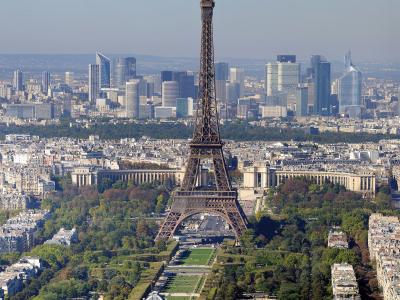
Paris
Global capital of art, fashion, gastronomy, and culture
Île-de-France
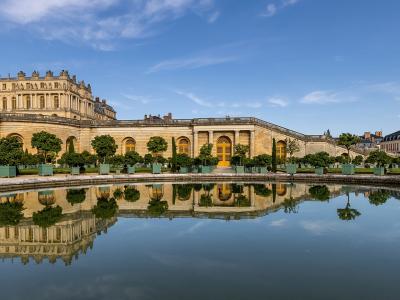
Versailles
Royal palace and gardens of the Kings of France near Paris
Île-de-France
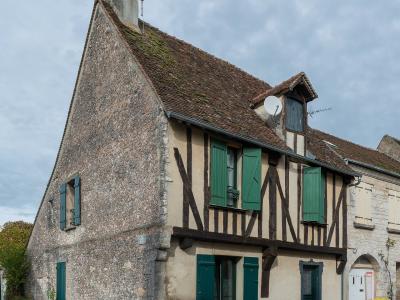
Provins
UNESCO medieval walled town with Caesar's Tower and fairs
Île-de-France
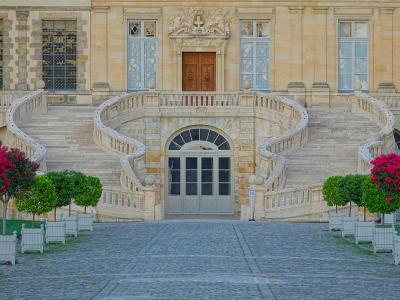
Fontainebleau
Royal palace and ancient forest southeast of Paris