Fontainebleau
Royal palace and ancient forest southeast of Paris
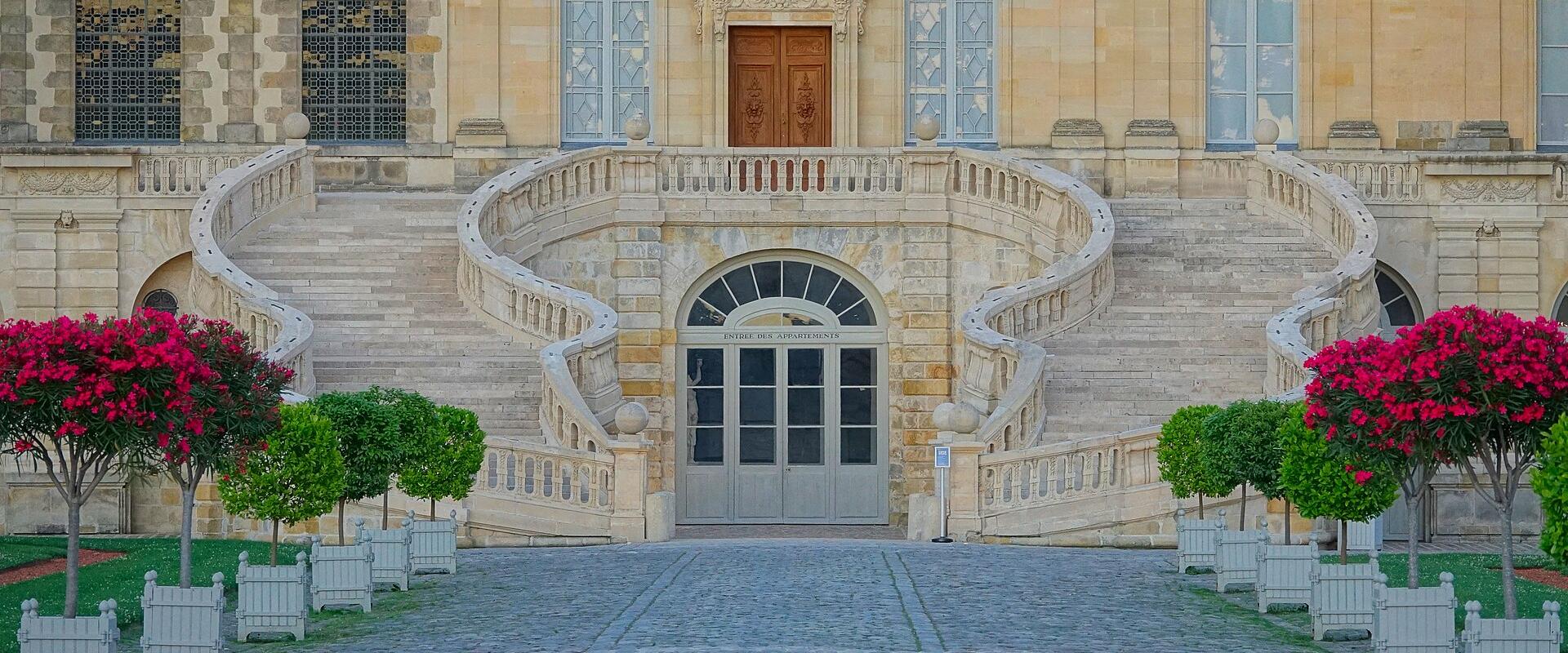
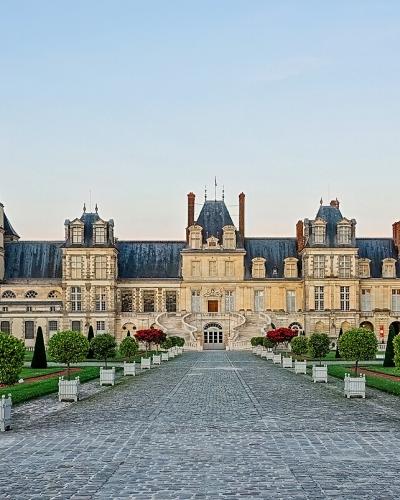
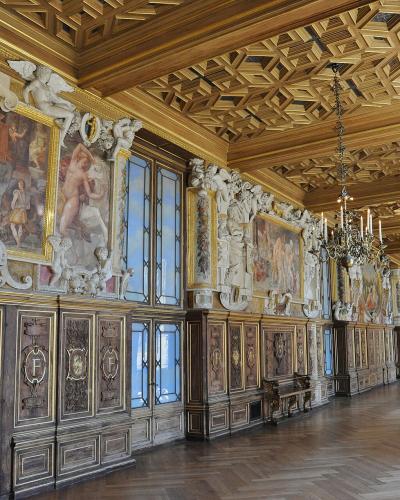
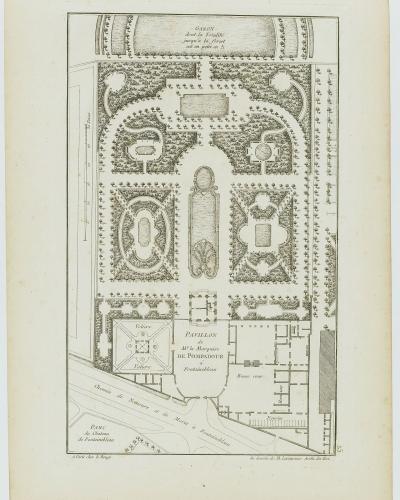
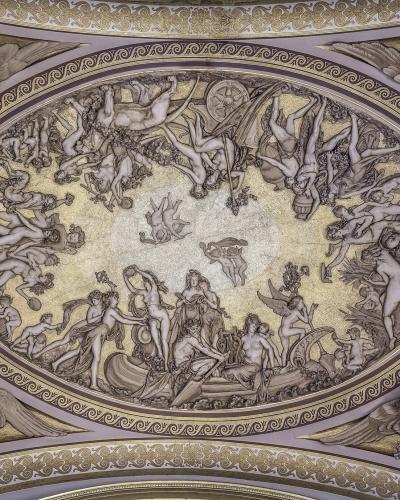
Fontainebleau, situated in the Seine-et-Marne department of the Île-de-France region, is a town of immense historical and natural significance. Located approximately 55 kilometers southeast of Paris, it has served as a royal hunting lodge and residence for centuries. The Château de Fontainebleau, a UNESCO World Heritage Site, is the centerpiece of the town. Unlike the rigid grandeur of Versailles, Fontainebleau is known for its intimate scale and eclectic architectural styles, reflecting the tastes of various monarchs. Francis I initiated the construction of the palace in the 16th century, inviting Italian artists like Rosso Fiorentino and Primaticcio to decorate the Francis I Gallery, a masterpiece of the French Renaissance. Subsequent rulers, including Henry IV, Louis XIII, and Napoleon Bonaparte, added their own touches. Napoleon’s apartments, particularly the White Court and the Throne Room, preserve the atmosphere of the First Empire. The palace gardens, designed by André Le Nôtre, offer formal French landscapes that complement the historic buildings.
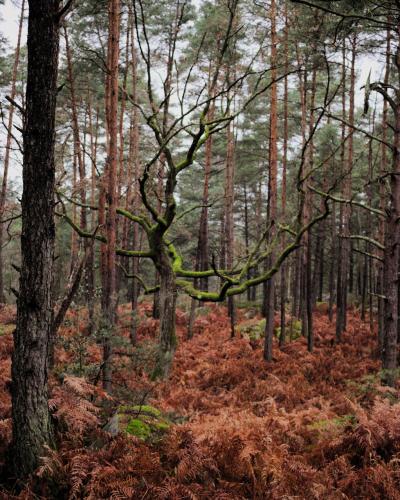
Beyond the palace, the Forest of Fontainebleau covers over 250 square kilometers and is a unique natural environment. It is famous for its sandstone rock formations, which have made it a world-renowned destination for rock climbing. The forest also features numerous hiking and cycling trails, leading to picturesque villages like Barbizon and Chailly-en-Bière. Barbizon, in particular, is historically significant as the birthplace of the Barbizon School, a group of 19th-century painters who sought to capture the natural beauty of the forest. The House of Artists in Barbizon, now a museum, showcases works by Théodore Rousseau and Jean-Baptiste-Camille Corot. The forest is also home to diverse flora and fauna, including deer, wild boar, and various bird species.
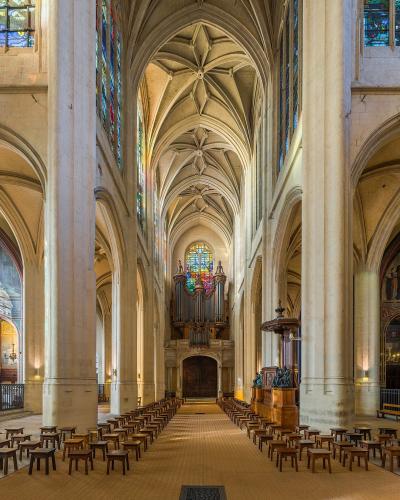
Activities in Fontainebleau cater to a wide range of interests. Visitors can take guided tours of the palace to learn about its history and art collections, including the Gallery of Diana and the Chapel of the Trinity. The forest offers opportunities for hiking, mountain biking, and rock climbing. For those seeking relaxation, the town has several parks and gardens, such as the Parc de la Cour d'Honneur. The nearby Lake of Barbizon is a popular spot for swimming and picnicking. The town also hosts cultural events, including the Fontainebleau International Music Festival. Getting to Fontainebleau is convenient via train from Paris Gare de Lyon, with regular services taking about 45 minutes. The station is located in the town center, close to the palace. For those traveling by car, the A6 motorway provides direct access. The best time to visit Fontainebleau is from April to June and September to October, when the weather is mild and pleasant, ideal for exploring the palace and forest. July and August are warm and busy, suitable for those who enjoy summer activities but may encounter larger crowds. Winter is cooler and quieter, offering a serene atmosphere for indoor museum visits. Fontainebleau combines royal history, artistic heritage, and natural beauty, making it a compelling destination for travelers seeking a diverse experience close to Paris.
Best Time to Visit
April to June and September to October offer mild weather and fewer crowds for optimal exploration.
Did you know?
Interesting, verified facts about Fontainebleau
Fontainebleau Has Another Verifiable Detail
HistoryThe atmosphere blends grandeur with natural serenity, offering visitors a chance to explore opulent palace interiors and rugged forest landscapes.
Source: Palace of Fontainebleau - WikipediaPlan Your Visit to Fontainebleau
Essential travel tips and information for your trip to Fontainebleau.
Suggested Itineraries
One Day in Fontainebleau
1 dayPerfect for a quick visit. See the main highlights and get a taste of local culture.
Extended Fontainebleau Experience
2-3 daysComprehensive exploration including nearby attractions and cultural experiences.
Travel Tips
Currency
EUR • Cards widely accepted
Language
French • English in tourist areas
WiFi
Free WiFi in cafes and hotels
Explore Fontainebleau by Interest
Discover attractions and experiences in Fontainebleau organized by your interests and travel preferences.
All attractions in Fontainebleau
Sorted by our recommendation score
Quick Facts
Book your stay
Frequently Asked Questions
More destinations in Île-de-France
Explore other amazing places in the Île-de-France region