







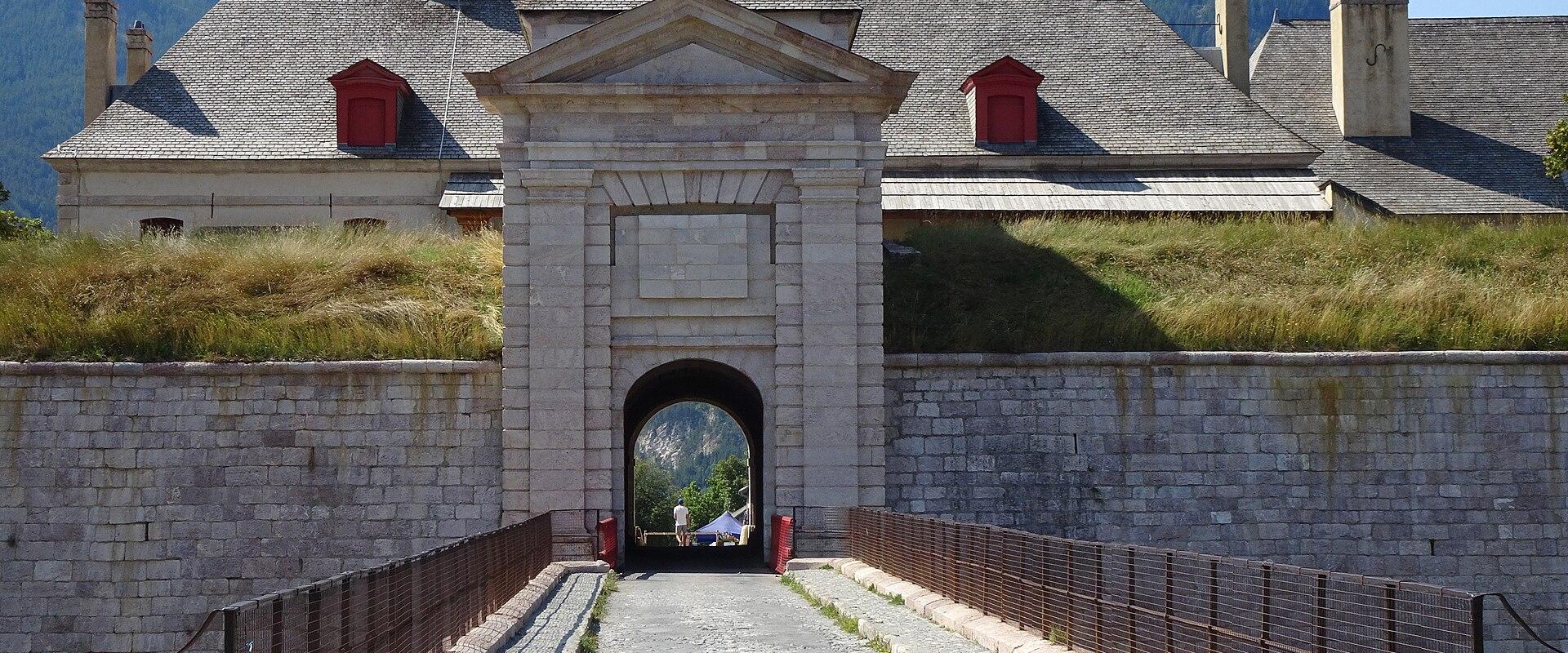
Mont-Dauphin
Vauban fortress town above the meeting of the Guil and Durance
Mont-Dauphin stands at about a thousand metres above sea level, on a promontory that dominates the valley of the Durance. From the road below, the fortress looks like a pale stone platform with a few roofs showing above its walls. Inside, the town feels like a military plan made solid. The streets run at right angles around a central parade ground, the main buildings face onto it, and everything is arranged for the movement and housing of a garrison rather than for the convenience of tourists. That is exactly why it is worth the stop.
The story begins in 1692, when the army of the Duke of Savoy crossed the Alps, took Embrun and threatened the Durance valley. Louis XIV's government decided that a new strong place was needed to guard this route. Vauban, who knew the Alps from earlier missions, chose the plateau of Mille-Vents, above the confluence, and work began the following year. The new fortress was named after the Dauphin, the king's son. Construction continued for decades, and later engineers added to Vauban's plan, but the character remained his. In 2008 it became a World Heritage site as one of the twelve groups of Vauban fortifications.
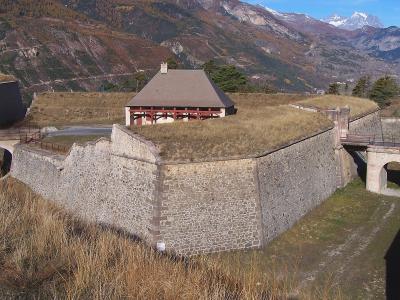
Walking the ramparts is the best way to understand it. The walls follow the edge of the plateau, with sharp angles that let defenders cover every approach, and from the top you see how the site was picked: steep slopes fall away on two sides, while the open side to the north-east was protected by ditches and outworks. Below the walls you can see the Durance and the Guil, with the steep canyon of the Guil leading up into the Queyras. The views are wide and the wind is often strong.
The fort's gates deserve attention. The Porte de Briançon, the main entrance, uses local pink marble to mark the way into the fortress. Inside, buildings such as the powder magazines, the arsenal and the long barracks recall the daily life of the soldiers. A garrison church stands near the main square. Several of the stone buildings now house artists and craft workers who open their shops in the season, and there are small museums and exhibitions about Vauban and about the fortress. Guided visits are offered, particularly in summer, and they explain features that are easy to miss when you walk alone. Opening times vary through the year, so check locally before you arrive.
The surroundings add a lot. Guillestre, a short drive away, has a lively market and the starting point of the road into the Queyras by way of the dramatic Combe du Queyras gorge, a spectacular drive. Embrun, on the shore of the Serre-Ponçon lake, offers a cathedral and watersports in summer. Briançon, a Vauban city of its own and also on the World Heritage list, lies upstream in the same valley. A combined visit to Mont-Dauphin, Briançon and the Queyras makes an excellent mountain-and-fortress itinerary.
Walkers and cyclists find plenty to do. Paths lead from the fortress down to the rivers and out into the valley, and the Guil gorges are popular for rafting and canyoning in warm months. The Hautes-Alpes are among the sunniest parts of France, and clear air makes the stars bright in the evening, which is one reason many visitors stay overnight in or close to the fort.
Getting to Mont-Dauphin is easy for a village this size. The railway line from Gap to Briançon has a station named Mont-Dauphin–Guillestre at the foot of the hill, a short climb or drive below the fortress, and the national road along the Durance passes nearby. For a longer stay, Guillestre and Embrun offer more restaurants and accommodation. Bring a jacket even in summer, since the evenings at this altitude can turn cool, and wear sturdy shoes for the cobbles and the ramparts.
Best time to visit
June to September has the most reliable weather and the full programme of visits, while May and October are quiet, clear and mild at about one thousand metres. Winters are cold, and some sites reduce their hours.
What to see in Mont-Dauphin
Our picks first.
Mont-Dauphin by interest
The same sights, grouped by what you came for.
Planning a visit to Mont-Dauphin
Good to know
- Currency
- EUR
- Language
- French
Quick Facts
Book your stay
Questions people ask
More places in Provence-Alpes-Côte d'Azur
Provence-Alpes-Côte d'Azur
Nice
Capital of the French Riviera with Promenade des Anglais
Provence-Alpes-Côte d'Azur
Marseille
France's oldest city and largest Mediterranean port
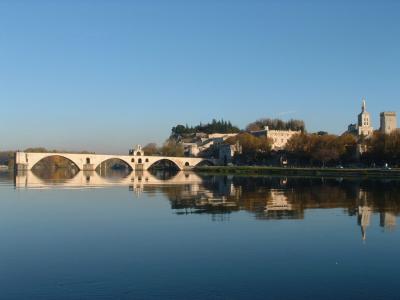
Provence-Alpes-Côte d'Azur
Avignon
The walled city of the popes on the Rhône, home of a world-famous theatre festival
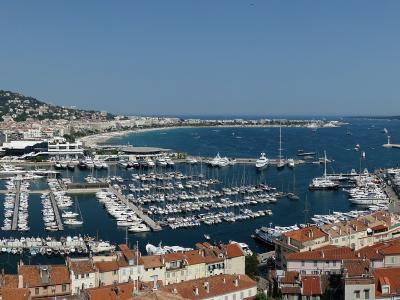
Provence-Alpes-Côte d'Azur
Cannes
Riviera glamour on La Croisette, home of the world's most famous film festival