







Fort du Mont-Dauphin
UNESCO-listed Vauban fortress built 1692-1700
- Admission
- €7 individuals
- Where
- Mont-Dauphin, Provence-Alpes-Côte d'Azur
- Directions
- Directions
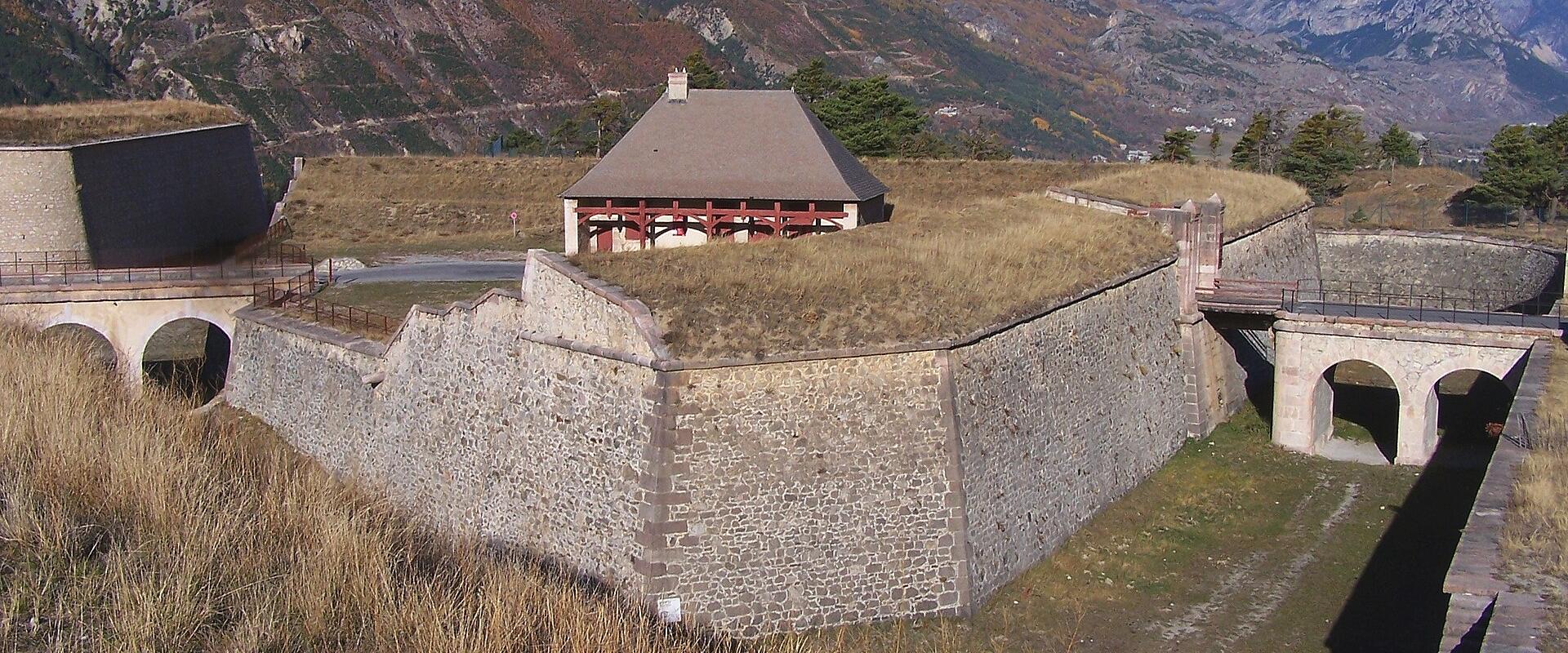
Fort du Mont-Dauphin is a fortified town in the Hautes-Alpes, planted on a rocky spur above the meeting point of the Durance and Guil rivers, a short drive from Guillestre and Embrun and about 35 minutes from Briançon. It is one of the works of Vauban, the military engineer of Louis XIV, and belongs to the group of sites inscribed on the UNESCO World Heritage list as the Fortifications of Vauban in 2008. Vauban laid it out after the Duke of Savoy invaded the Dauphiné in 1692, choosing the plateau because it commanded the valley road toward Italy. The new stronghold took its name from the heir to the throne, the Dauphin, a French royal title.
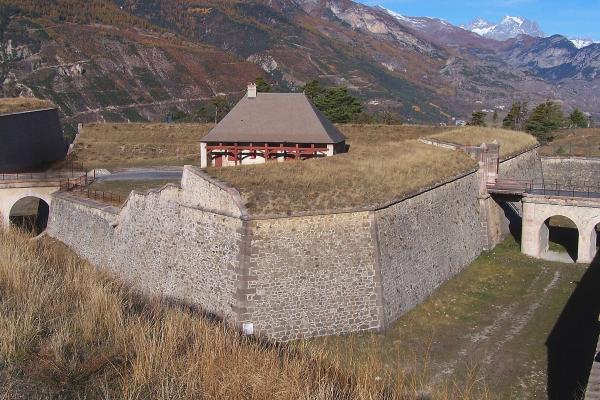
What makes Mont-Dauphin special is that it was planned from scratch rather than adapted from an older town. The result is a rigorous geometry of bastions, ramparts, ditches and straight streets laid out around the central Place d'Armes. Officers' quarters, barracks, a powder magazine and a church were all built according to the same plan. Behind the walls the space was always meant to hold a garrison and a small civilian population, and a few dozen people still live inside it today, with craft workshops, small restaurants and artists occupying some of the old buildings.
Its strategic role faded early. After the Treaty of Utrecht in 1713 moved the frontier further east, the fort became a rear base, and it never faced a serious siege. It saw some action during the Napoleonic Wars and again in 1940, and it ceased to be a military site after World War I. In 1975 the Ministry of Defence handed it to the Ministry of Culture, and it is now looked after by the Centre des monuments nationaux, which opens parts of the fortifications to the public.
Visitors can walk the streets of the village freely, and the ramparts and military buildings are explored on guided tours. The setting is spectacular: the walls look out over the green river valley and the snow-covered peaks around the Écrins massif, and the stone in the evening light is warm and soft. Contemporary art exhibitions are held in some of the buildings, and a free mobile app called Les enquêtes d'Anne Mésia turns the visit into a game for children.
The site suits anyone interested in military architecture, history or landscape photography, and it is quiet compared with the better-known Alpine towns. Nearby, the Citadelle de Briançon is another Vauban work, and combining the two gives a good overview of how France defended its Alpine frontier. Bring a layer even in summer, since the plateau can be windy. The place is a lasting expression of Vauban’s architectural legacy.
Categories
More photos coming soon
Admission Fees
- Admission
- €7 individuals
Hours and prices change, especially out of season. Check with the venue before you go.
Nearby Attractions
Closest attractions by distance
Bastion de la Reine
UNESCO-listed Vauban fortification in Briançon
Fortresses · Historic Towns
Église Saint-Pierre-aux-Liens
17th-century fortress church in the French Alps
Free Historic Architecture
Musée des Traversées
Museum dedicated to Briançon's Vauban fortifications
From €5 Museums & Culture
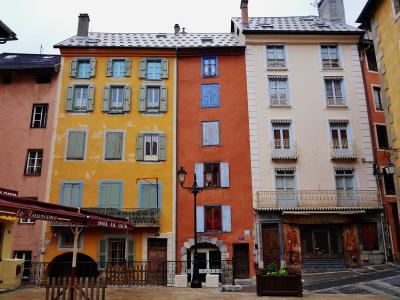
Place d'Armes
Vauban UNESCO fortress town square
Historic Towns · Squares
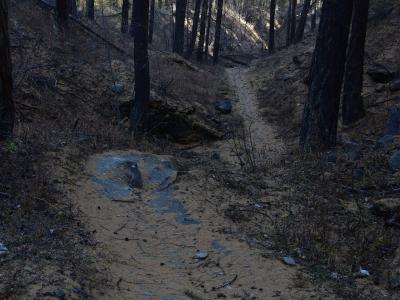
Sentier de Grande Randonnée GR54
Long-distance trail through the French Alps
Guided Experiences · Nature & Parks
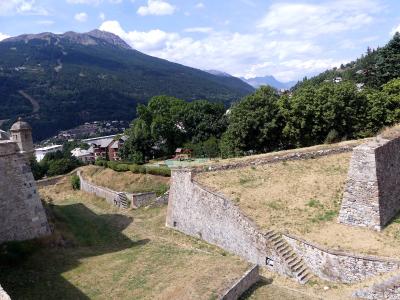
Citadelle de Briançon
UNESCO-listed Vauban fortifications
From €5 Fortresses · Guided Tours
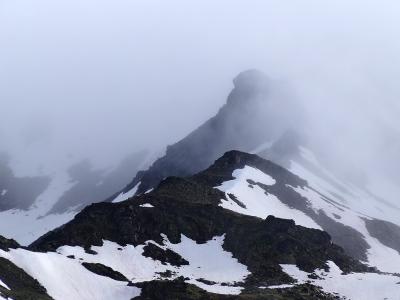
Vallée de la Clarée
Protected glacial valley with 39% of French Alpine flora
Nature & Parks · Geological Sites
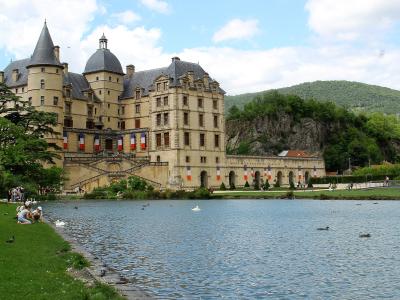
Parc du Château de Vizille
Historic park with lake, deer, and revolution museum
Free Guided Experiences · Historic Architecture
Questions people ask
Quick Facts
Best Time to Visit
June to September has the most reliable weather and the full programme of visits, while May and October are quiet, clear and mild at about one thousand metres. Winters are cold, and some sites reduce their hours.