


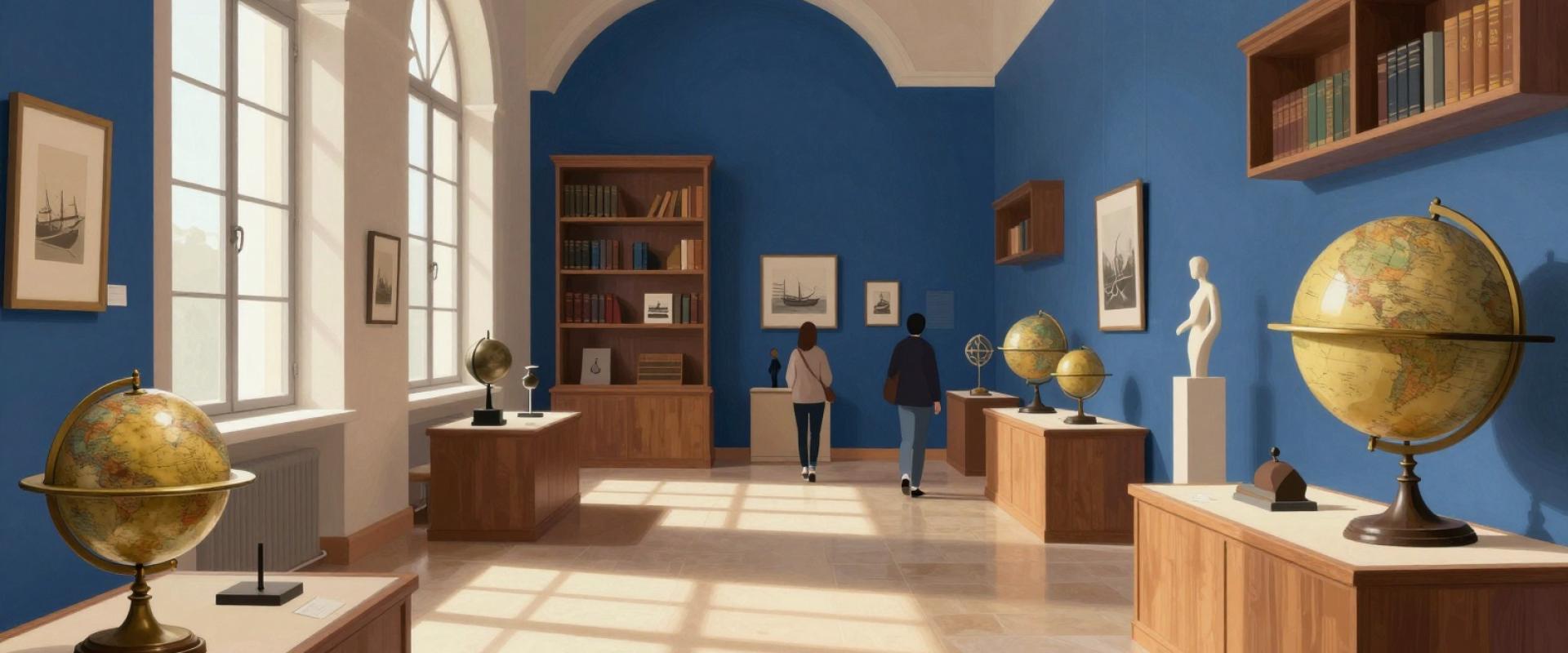
The Louvre is France’s premier art museum. It houses vast collections across three main wings. These are the Denon, Sully, and Richelieu wings. Each wing contains distinct historical periods and art styles. Visitors must plan their route carefully. The museum is massive and can be overwhelming. Key artworks include the Mona Lisa in the Denon wing. The Winged Victory of Samothrace is also in Denon. These pieces attract massive crowds daily. Entrance strategies are critical for efficient navigation. Use the Carrousel du Louvre entrance for direct access. This entrance is often less crowded than the main pyramid. The Porte des Lions entrance is another option. It is open only on weekends and holidays. Booking tickets online is mandatory for all visitors. Walk-up tickets are not available at the museum. This rule applies to all national museums in France. The museum is closed on Tuesdays. Plan your visit for Wednesday through Monday. Arrive early to avoid peak afternoon crowds. Guided tours are available in French and English. These tours provide context for French art history. They help visitors navigate the complex layout effectively. Focus on specific wings to save time. The Den wing holds the most famous works. Prioritize these if you have limited time. The Richel wing contains ancient Near Eastern artifacts. The S wing features Egyptian antiquities. Each section offers unique historical insights. Plan your route to minimize backtracking. Wear comfortable shoes for the extensive walking. The Louvre is a significant cultural institution in France. It requires careful planning for an optimal visit.
Impressionist Collections
The Musée d’Orsay houses France’s premier Impressionist collection. It occupies a former railway station in Paris. This architectural conversion preserves historical grandeur. Visitors enter via the Gare d’Orsay metro station. The museum focuses on 1848 to 1914 art. Key artists include Monet, Van Gogh, Renoir, and Degas. Their works define the Impressionist movement. The Centre Pompidou also holds relevant Post-Impressionist works. It complements the Orsay’s specific historical focus. Planning is essential for efficient museum guides. The Musée d’Orsay is closed on Mondays. This restriction affects weekly itinerary planning. Advance ticket booking reduces waiting times. The building’s clock offers views of the Seine. Art historians value the chronological layout. Each floor represents a specific artistic era. The Orsay’s collection is dense and significant. It avoids the crowds of the Louvre. Guides recommend starting with the ground floor. Van Gogh’s Starry Night Over the Rhône is here. Renoir’s dance scenes capture movement and light. Degas’ ballet studies show technical mastery. The Centre Pompidou requires separate navigation. It focuses on modern and contemporary art. Combining both museums provides a complete view. France leads in Impressionist preservation. The Orsay is a cultural landmark. It attracts millions of art enthusiasts annually. Logistics require careful scheduling. Monday closures limit access for some travelers. Metro access ensures convenient city navigation. The railway station history adds context. Art history guides emphasize the transition from realism. This period changed global art perspectives.
Beyond Paris Museums
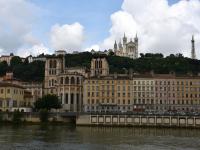
France’s regional museums offer distinct artistic heritage outside the capital. The Musée Marmottan Monet in Paris holds the world’s largest Monet collection. This specific focus defines its curatorial identity. The Musée Fabre in Montpellier displays significant European paintings. Its holdings span centuries of continental artistic development. The Musée des Beaux-Arts in Lyon features major works by Rubens and Rembrandt. These institutions provide intimate viewing experiences compared to larger national galleries. The Loire Valley châteaux present a crucial Renaissance context. Their architecture and art reflect royal patronage of the era. Regional museums often operate with smaller, more focused collections. This allows for deeper engagement with specific artistic movements. Visitors should check local opening hours, as they vary by municipality. Many regional institutions close on Mondays or Tuesdays. Admission fees are generally lower than in Paris. Guided tours are available but may require advance booking. Public transport connects major cities to these cultural sites. Trains from Paris to Lyon take approximately two hours. The journey itself offers views of the French countryside. Art history enthusiasts benefit from understanding regional stylistic differences. Southern France shows distinct influences from Mediterranean cultures. Northern museums often reflect Flemish and Germanic artistic traditions. These geographical distinctions shape the collections on display. Planning visits requires attention to seasonal variations in crowd levels. Summer months see higher tourist traffic in popular regions. Winter visits offer quieter, more contemplative museum experiences. Local guides provide essential context for understanding regional art history. They explain nuances that standard audio guides might miss. Supporting these institutions helps preserve France’s diverse cultural landscape. Each museum contributes uniquely to the national artistic narrative.
Ticketing and Access
Online booking is mandatory for major French museums. This rule applies strictly to the Louvre and Orsay. Visitors must reserve specific time slots in advance. Walk-up tickets are rarely available at these sites. The Paris Museum Pass offers significant value for multi-museum visits. It covers entry to over 50 institutions across France. The pass is valid for four or seven consecutive days. It includes skip-the-line access at most participating venues. However, the Louvre requires a separate timed entry reservation. This applies even if you hold a valid Paris Pass. The small reservation fee is not included in the pass cost. Accessibility features are widely available in French cultural institutions. Most major museums provide wheelchair ramps and elevators. Designated parking spaces exist near main entrances. Accessible restrooms are standard in all large galleries. Audio guides are available in multiple languages. French, English, Spanish, and German are common options. These devices provide detailed art historical context. They are essential for understanding complex collections. Rental fees are typically included in the ticket price. Some museums offer free guided tours on weekends. These tours are conducted in French only. Non-French speakers should rely on audio guides. Planning ahead ensures smooth access to France’s art heritage.
French museums enforce strict behavioral standards. Silence is mandatory in all galleries. Visitors must maintain quiet conversation levels. This rule applies to the Louvre and Orsay. Flash photography is strictly prohibited everywhere. Tripods require special prior permission. Use only silent shutter modes on cameras. Navigation requires strategic planning for large institutions. Focus on specific wings to avoid overwhelm. The Louvre’s Denon wing holds key masterpieces. The Orsay focuses on Impressionist works. Staff members are generally helpful and polite. Many guides speak fluent English in Paris. Audio guides are available in multiple languages. Rental costs typically range from five to seven euros. Guided tours offer deeper historical insights. Professional docents explain complex artistic contexts. These tours often require separate booking fees. Walking distances between major exhibits are significant. Wear comfortable shoes for long visits. Rest areas are located near main entrances. Water fountains are available in most halls. Do not lean on display cases. Touching artworks is strictly forbidden. Security personnel monitor all gallery spaces. Violations may result in immediate removal. Plan visits during weekday mornings for fewer crowds. This strategy reduces wait times significantly. French cultural institutions prioritize preservation above all. Respect these rules to ensure access. Proper etiquette enhances the overall experience. It demonstrates appreciation for French heritage. Museums close early on certain holidays. Check official websites for updated hours. This prevents unexpected travel disruptions. Always carry valid identification documents. Some tours require proof of age. Student discounts apply to many sites. Senior rates are available for older visitors. These options reduce overall ticket costs. Book guided tours well in advance. Popular slots fill up quickly. This ensures a structured learning experience. Local guides provide unique regional perspectives. They highlight lesser-known artistic details. This adds value to standard visits. French museum culture values intellectual engagement. Visitors are expected to observe quietly. Loud phone calls are not tolerated. Keep mobile devices on silent mode. This respects other patrons’ experiences. Navigation apps help locate specific rooms. Download offline maps before arrival. Signal strength varies in underground areas. This ensures reliable route guidance. French museums often feature temporary exhibitions. These require separate admission tickets. Check current displays before arrival. This maximizes time spent viewing art. Proper preparation enhances cultural appreciation. It allows focus on artistic merit. French institutions maintain high standards. Adhering to these guidelines is essential. It supports the preservation of art. It ensures a respectful environment. This benefits all cultural participants. French museums welcome informed visitors. They expect adherence to established norms. This creates a harmonious atmosphere. Proper conduct reflects well on tourists. It fosters positive international relations. French culture values intellectual curiosity. Engage with exhibits thoughtfully. Ask questions during designated times. This enriches the educational experience. French guides appreciate prepared inquiries. They provide detailed historical context. This deepens understanding of art. Proper etiquette facilitates smoother visits. It reduces friction with staff. It ensures a pleasant experience. French museums are world-class institutions. They deserve respectful treatment. Adherence to rules is mandatory. This preserves cultural heritage for future generations. It maintains the integrity of spaces. French visitors expect similar standards. Tourists should mirror local behavior. This shows cultural sensitivity. It enhances the overall trip. French museums offer rich educational opportunities. Proper navigation unlocks these benefits. Focus on key collections first. This prevents fatigue and confusion. Strategic planning is crucial for success. French institutions are well-organized. Follow posted signs for directions. This simplifies the navigation process. French museums are accessible to all. Wheelchair ramps are available at entrances. This ensures inclusive cultural access. Proper etiquette supports these efforts. It maintains order and calm. French museums thrive on respect. Visitors play a key role. Their behavior impacts the environment. Adherence to guidelines is vital. It ensures continued access to art. French culture values preservation highly. This requires collective responsibility. Every visitor contributes to this goal. Proper conduct is a shared duty. It supports the mission of museums. French institutions provide invaluable resources. Respectful engagement maximizes their value. This approach benefits everyone involved. French museums are cultural landmarks. They deserve careful consideration. Proper etiquette honors their significance. It reflects well on visitors. French culture appreciates thoughtful engagement. This fosters mutual respect. It enhances the cultural exchange. French museums are open to all. They welcome respectful tourists. Adherence to rules is expected. This ensures a positive experience. French institutions maintain high standards. Visitors must meet these expectations. This preserves the quality of art. It protects historical artifacts. French museums are treasures. They require careful stewardship. Proper etiquette supports this mission. It ensures longevity and access. French culture values intellectual pursuit. Engaging with art respectfully is key. This approach honors French heritage. It supports global cultural understanding. French museums are educational hubs. They offer valuable learning opportunities. Proper navigation unlocks these benefits. Strategic planning enhances the visit. French institutions are well-maintained. They require respectful treatment. Adherence to guidelines is essential. It ensures a smooth experience. French museums are world-renowned. They attract millions of visitors. Proper etiquette manages this flow. It prevents overcrowding and chaos. French culture values order. Visitors should mirror this expectation. It creates a harmonious environment. French museums are cultural pillars. They deserve respectful engagement. Proper conduct honors their legacy. It supports future generations. French institutions provide rich experiences. They require thoughtful participation. Adherence to rules is mandatory. It ensures continued access. French museums are treasures. They require careful stewardship. Proper etiquette supports this mission. It ensures longevity and access. French culture values intellectual pursuit. Engaging with art respectfully is key. This approach honors French heritage. It supports global cultural understanding. French museums are educational hubs. They offer valuable learning opportunities. Proper navigation unlocks these benefits. Strategic planning enhances the visit. French institutions are well-maintained. They require respectful treatment. Adherence to guidelines is essential. It ensures a smooth experience. French museums are world-renowned. They attract millions of visitors. Proper etiquette manages this flow. It prevents overcrowding and chaos. French culture values order. Visitors should mirror this expectation. It creates a harmonious environment. French museums are cultural pillars. They deserve respectful engagement. Proper conduct honors their legacy. It supports future generations.