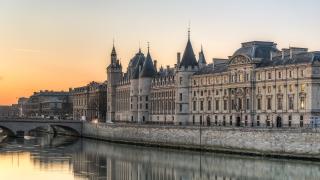


The Louvre Museum in Paris requires strategic planning for efficient navigation. Avoid the main Pyramid entrance to bypass long queues. Use the Carrousel du Louvre shopping mall entrance under the Arc de Triomphe du Carrousel. This entry point often has shorter lines than the main facade. Enter through the Porte des Lions if open, though access varies by season. Strategic wing selection is essential for managing the museum's vast scope. The Denon Wing houses the most famous works, including the Mona Lisa. Visit this wing early in the morning to avoid crowds. The Sully Wing offers a quieter experience with medieval foundations and French sculptures. The Richelieu Wing contains Italian paintings and Islamic art collections. Digital audio guides provide necessary context for art history enthusiasts. Rent a guide at the information desks for approximately 5 euros. The guide offers commentary in multiple languages, including French and English. Chronological navigation tips help structure the Denon Wing visit. Start with ancient Near Eastern antiquities on the ground floor. Move to Egyptian antiquities on the first floor. Proceed to Italian paintings on the second floor. This route follows the historical development of Western art. Plan for at least four hours to cover key highlights. The museum is open from 9 a.m. to 6 p.m. Closed on Tuesdays and January 1, May 1, and December 25. Advance online booking is mandatory to secure entry time slots. This ensures entry without waiting in potentially hours-long lines. Focus on specific galleries rather than attempting to see everything. The Louvre contains over 380,000 objects but displays only 35,000. Prioritize masterpieces relevant to your art history interests. Use the museum map to locate specific rooms quickly. Staff members in blue uniforms can provide directional assistance. Keep tickets secure as they are required for exit. The museum shop offers books on French art history. Purchase guides for further study after your visit.
Impressionist Hubs: Musée d'Orsay and Centre Pompidou
The Musée d'Orsay anchors French Impressionist history. It occupies a former Beaux-Arts railway station. This architectural context frames late 19th-century art. Visitors view masterpieces by Monet and Renoir. The museum focuses on 1848 to 1914. It bridges the Louvre and modern art. The Centre Pompidou handles post-1914 works. It showcases modern and contemporary French art. The building’s high-tech structure contrasts with Orsay. Inside, art follows a chronological organization. You move from early modernism to today. Guides recommend visiting Orsay before Pompidou. This sequence follows the historical art timeline. Orsay covers the late 19th century. Pompidou covers the 20th and 21st centuries. Both institutions define French artistic evolution. Orsat highlights Impressionism and Post-Impressionism. Pompidou highlights abstraction and conceptual art. Planning requires separate tickets for each site. They are distinct institutions in Paris. The Orsay is near the Seine. The Pompidou is in the historic center. Guidebooks suggest allocating two hours per site. This allows time for detailed viewing. French art history is best understood chronologically. Start with Orsay to see origins. Then move to Pompidou for modern shifts. This approach clarifies the narrative arc. French museums offer structured educational experiences. Guides emphasize the architectural significance of both. Orsay’s station setting enhances the historical feel. Pompidou’s exposed structure reflects modern industrialism. These settings complement the artistic content. Visiting both provides a complete overview. This strategy ensures a comprehensive understanding. French art history is accessible through these hubs. They represent key periods in national culture. Planning ahead maximizes the educational value. This method respects the chronological flow.
Provincial Treasures: Beyond Parisian Collections
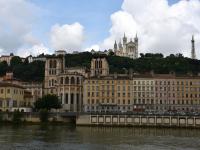
French art history extends beyond Paris. Provincial museums offer distinct regional perspectives. Lyon’s Musée des Beaux-Arts holds significant Baroque collections. It showcases works from the 17th and 18th centuries. The city’s historical importance supports its artistic status. Lille’s La MUD provides a modern contrast. It focuses on contemporary art and design. This creates a dynamic cultural dialogue. Nice’s Musée Matisse highlights the artist’s local roots. It displays works from his early career. The collection reflects his Mediterranean influences. Antibes offers the Musée de la Préhistoire. This site focuses on prehistoric regional artifacts. It provides context for ancient human activity. These institutions preserve local heritage effectively. They offer intimate viewing experiences. Crowds are generally smaller than in Paris. Visitors can engage more closely with artifacts. Regional pass options provide cost-effective access. The France Pass or local museum cards often cover entry fees. This reduces individual ticket costs significantly. Travelers can visit multiple sites efficiently. The pass simplifies budgeting for the trip. It allows for flexible itinerary planning. Proximity to major transport hubs is common. Many provincial museums are near train stations. This facilitates easy access for tourists. The regional focus highlights local artistic traditions. It provides a deeper understanding of French culture. The diversity of collections reflects regional histories. Each museum offers a unique perspective. This variety enriches the overall cultural experience. Travelers gain a comprehensive view of French art. The provincial museums complement the major Parisian institutions. They provide a complete picture of French artistic heritage. The local context adds depth to the historical narrative. This approach offers a more nuanced understanding of French culture. The regional focus highlights the diversity of French artistic traditions. It provides a more complete picture of French cultural heritage. The local context adds depth to the historical narrative. This approach offers a more nuanced understanding of French culture. The regional focus highlights the diversity of French artistic traditions. It provides a more complete picture of French cultural heritage. The local context adds depth to the historical narrative. This approach offers a more nuanced understanding of French culture.
Ticketing Logistics and Accessibility Protocols
Online timed-entry bookings are mandatory for major French institutions. This protocol eliminates physical queues at ticket counters. Visitors must reserve slots via official museum websites. Avoid third-party vendors to prevent unnecessary markups. These intermediaries often add fees to base prices. Direct booking ensures accurate entry times and lower costs. Accessibility features vary significantly across French museum networks. Major Parisian sites like the Louvre provide wheelchair access. Elevators and ramps are standard in renovated historic buildings. Staff assistance is available upon request at information desks. Discount policies favor students and young travelers in France. Reduced rates apply to visitors under twenty-six years old. EU residents often qualify for specific municipal discounts. Free entry days occur on the first Sunday of each month. This policy applies to state-managed national museums. Private collections may maintain separate pricing structures. Always verify opening hours before visiting specific sites. Some institutions close on Tuesdays or specific holidays. Planning ahead ensures access to key art historical works. French cultural heritage sites prioritize structured visitor flow. This approach maintains preservation standards while accommodating tourists. Local guides can assist with navigating complex ticketing systems. They provide context for specific exhibition access rules. Always check official sources for the latest updates. Museum policies change frequently based on seasonal demand. Staying informed ensures a smooth and respectful visit. French cultural institutions value order and quiet observation. Adhering to these protocols enhances the overall experience. It respects both the art and other visitors. Planning is essential for a seamless cultural experience.
Etiquette and Engagement Strategies
Visitors must observe strict silence in major French museums. The Louvre and Orsay enforce quiet zones strictly. Flash photography remains prohibited in most galleries. This rule protects light-sensitive historical artifacts. Visitors should maintain personal space in crowded halls. Follow designated one-way flows to prevent bottlenecks. French savoir-vivre dictates respectful distance from artworks. Do not lean on display cases or walls. Educational workshops are available at many institutions. The Louvre offers guided tours in multiple languages. These sessions provide deep historical context for collections. Provincial museums like Lyon’s Beaux-Arts also host lectures. Check official websites for workshop schedules and fees. Audio guides are standard in Parisian museums. They cost approximately ten euros per rental. Rental counters are located near main entrances. Staff members wear official badges for identification. Ask questions only during designated Q&A periods. Interrupting guides disrupts the educational experience. Respect the curatorial narrative presented by experts. This approach enhances understanding of French art history. Proper engagement ensures a smooth visit for all. Adherence to these protocols reflects cultural respect. It supports the preservation of national heritage sites. Plan your engagement strategy before arriving at the venue. This preparation minimizes confusion and maximizes learning.