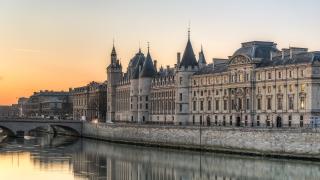



Visit the Louvre Museum in Paris, France. This iconic capital museum features legendary treasures. You must book timed online tickets in advance. This mandatory step avoids long entry queues. Avoid the main pyramid entrance to save time. Use the Carrousel du Louvre shopping mall entrance instead. This underground access point bypasses the largest crowds. Plan your route before arriving at the museum. The Louvre contains vast collections across multiple wings. Focus on specific key artworks to optimize viewing. The Mona Lisa is a primary highlight here. Use the official Louvre app for navigation. The app provides offline maps for the museum. It also offers context for major exhibits. Download the app before your visit for convenience. This tool helps you locate artworks quickly. The museum is open daily except Tuesdays. Check current hours on the official website. Prices vary by season and age group. Students and EU residents under twenty-six enter free. Bring a valid ID for verification. Wear comfortable shoes for extensive walking. The museum spans over sixty thousand square meters. Prioritize the Denon and Sully wings first. These areas hold the most famous pieces. Use the app to find restroom locations. Hydration stations are available throughout the building. Plan for at least four hours inside. This duration allows for a focused tour. Avoid peak hours between noon and two PM. Morning visits offer a quieter experience. The museum closes at 6 PM on most days. Late openings occur on Fridays until 9:45 PM. Arrive thirty minutes before your scheduled slot. Security checks are mandatory for all visitors. Large bags are not permitted inside the galleries. Lockers are available near the entrance for storage. Follow signage for the Egyptian Antiquities section. The Greek and Roman Antiquities are also essential. The Islamic Art wing offers unique perspectives. Use the app to filter by interest. This feature helps tailor your personal itinerary. The Louvre is a hub for art history. It houses works from prehistory to 1848. Focus on one or two wings per visit. This strategy prevents fatigue and information overload. The museum is located in the 1st arrondissement. Metro stations Palais Royal and Louvre-Rivoli provide access. These stations connect to the broader Paris transit network. Use the app to plan your exit route. This ensures a smooth departure from the site.
Impressionist Contexts
The Musée d’Orsay occupies a former railway station in Paris. Its layout follows a strict chronological order. Visitors ascend floors to trace art history. The ground floor displays works from 1848 to 1870. This era marks the birth of Impressionism. The middle floors showcase the movement’s peak. Monet, Renoir, and Degas dominate these halls. The top floor features Post-Impressionist developments. This structure helps visitors understand artistic evolution. Strategic timing is essential for a good visit. Peak hours occur between 11 AM and 4 PM. Arrive early or late to avoid crowds. Online tickets are mandatory for entry. The Musée de l’Orangerie offers a different experience. It houses Monet’s large Water Lilies murals. These oval rooms provide an intimate setting. The scale of the paintings is immersive. Visitors view the works in a quiet space. This contrasts with the busy Orsay museum. The historical context includes the Salon des Refusés. This 1863 exhibition challenged academic art standards. It allowed rejected artists to show their work. This event legitimized the Impressionist movement. Understanding this history enhances the viewing experience. Both museums are located on the Seine. They are easily accessible by public transport. The Orsay museum is closed on Tuesdays. The Orangerie is closed on Mondays. Plan your itinerary to visit both sites. Allocate at least two hours for Orsay. One hour suffices for the Orangerie. Combine these visits for a complete tour. Focus on the transition from realism to abstraction. This period defined modern French art. The collections reflect France’s cultural leadership. You will see the evolution of light and color. This technical shift changed global art forever.
The Centre Pompidou in Paris redefines museum navigation. Its structure follows a strict thematic layout. This approach differs from chronological displays found elsewhere. Visitors encounter art through specific artistic movements. Clear signage guides you through these distinct zones. Color-coded lines indicate different gallery sections. You must understand modernist abstraction to navigate effectively. The museum prioritizes conceptual understanding over linear history. Key collections reside on specific upper floors. The fifth floor features major post-war works. The fourth floor highlights early modernist experiments. Signage directs traffic between these thematic clusters. This method requires active engagement from the viewer. You cannot rely on simple left-to-right progression. Instead, you follow the logic of art history. The building’s exposed infrastructure supports this flow. Structural elements do not obstruct the path. Clear visual cues replace traditional room numbers. This system reduces confusion for first-time visitors. Understanding the movement helps locate specific artworks. Abstract expressionism appears in designated wings. Surrealism occupies separate, clearly marked areas. The layout encourages comparative viewing across styles. You move between eras based on theme. This creates a dynamic educational experience. The design reflects the institution’s modern mission. It challenges passive observation. Active navigation becomes part of the art. You must plan your route carefully. Focus on one thematic floor per visit. This ensures a manageable and informative experience. The Centre Pompidou offers a unique structural model.
Regional Heritage Sites
Plan full-day trips for major regional sites like Versailles. Travel from Paris requires significant time and budget. High-speed trains connect the capital to Versailles efficiently. You must book tickets weeks in advance. This prevents long queues at the entrance. The palace complex demands careful itinerary planning. Focus on key galleries to maximize your visit. Preservation efforts dominate visits to prehistoric sites. Lascaux IV in Dordogne offers controlled access. The original caves remain closed to protect art. Visitors view high-fidelity replicas in a modern center. This approach balances tourism with archaeological integrity. Intimate experiences define smaller regional museums. The Musée Rodin in Paris offers quiet reflection. Its gardens provide a serene contrast to crowds. Smaller institutions often feature unique, niche collections. Check regional opening hours before traveling. Rural museums may close on Mondays or Tuesdays. Schedules vary significantly by department and season. Transportation outside Paris can be challenging. Renting a car offers flexibility for remote sites. Public transport links are less frequent in provinces. Plan routes carefully to avoid missed connections. Budget for parking fees at major attractions. These costs add up during multi-day trips. Research specific entry requirements for each site. Some locations require guided tours for entry. Others offer audio guides in multiple languages. Verify accessibility options if needed. Many historic buildings lack modern elevators. Prepare for uneven surfaces and stairs. Comfortable footwear is essential for all visits. Stay informed about temporary exhibitions and closures. Local tourism offices provide updated local information. Use official websites for accurate, current details. Avoid third-party sellers with inflated prices. Support local heritage through official channels. Respect preservation rules during all visits. Photography restrictions may apply in certain galleries. Silence is expected in many historic spaces. These guidelines ensure a respectful experience for all.
Ticketing and Access Strategies
The Paris Museum Pass offers significant cost benefits for intensive travelers. It covers entry to over 50 major sites in the capital. You must still reserve timed slots for popular venues like the Louvre. This mandatory step prevents long queues and ensures entry. The pass is valid for four or seven consecutive days. Calculate your itinerary carefully to maximize the investment value.
Accessibility features are robust across French national museums. Wheelchair access is standard in most historic buildings. Assistance dogs are permitted throughout all permanent collections. Audio guides are available in multiple languages for the visually impaired. Staff members provide specialized support for visitors with reduced mobility.
Free admission policies apply to the first Sunday of each month. This rule applies to most state-owned museums in France. However, crowds become exceptionally dense during these free periods. You should expect significant wait times despite having free entry. Some private museums do not participate in this national policy.
Major institutions like the Louvre and Musée d’Orsay require advance booking. Walk-up tickets are rarely available due to high demand. Online reservations allow you to select specific time slots. This system manages visitor flow and reduces congestion inside galleries. Plan your visits weeks ahead during peak tourist seasons. Budget for additional costs if you skip the Paris Museum Pass. Individual tickets often exceed the daily pass price for multiple visits.