







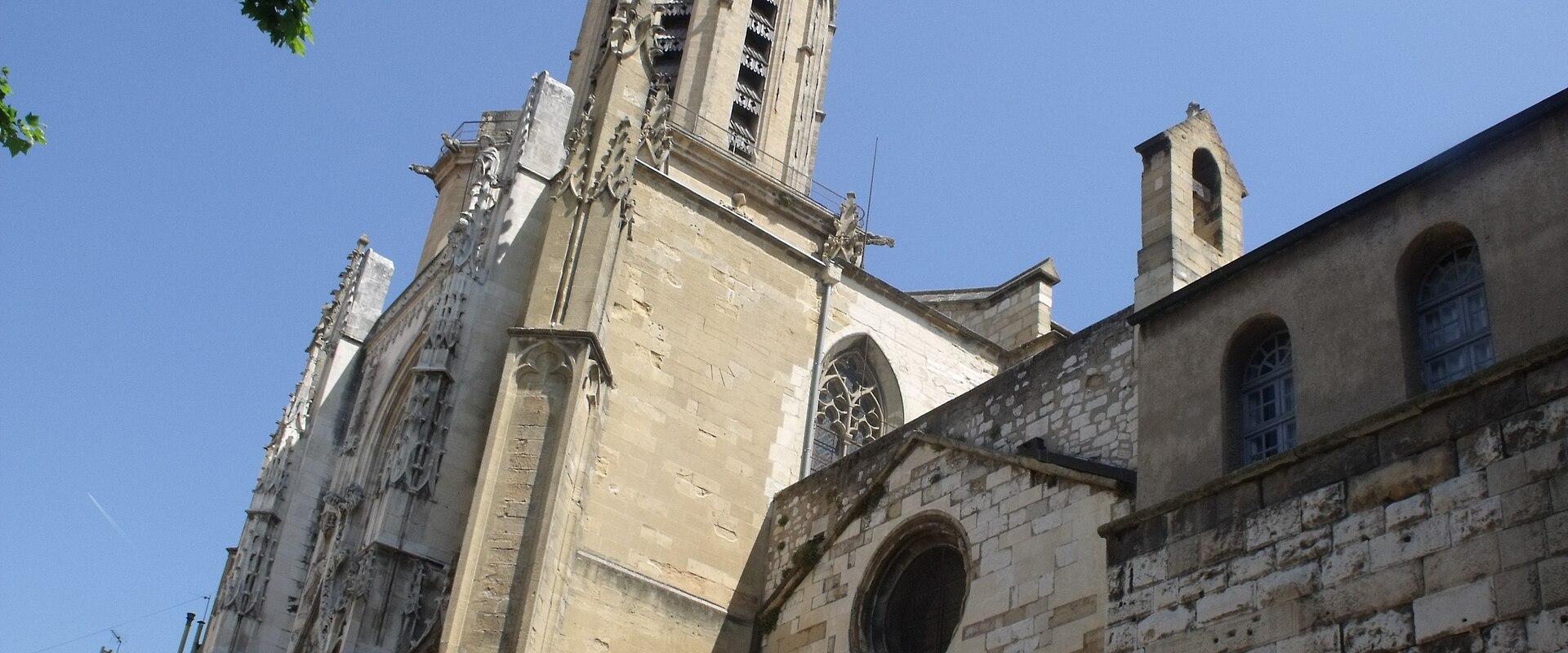
Aix-en-Provence Cathedral (Cathédrale Saint-Sauveur)
5th-century cathedral blending Roman, Gothic, and Baroque...
- Admission
- Free admission
- Hours
- Daily 8 a.m. to noon and 2 p.m. to 6 p.m.
- Where
- Aix-en-provence, Provence-Alpes-Côte d'Azur
- Directions
- Directions
The Cathédrale Saint-Sauveur in Aix-en-Provence is a building made of many centuries, and it shows its age openly. The site was already important in Roman times, when the forum of the town of Aquae Sextiae stood here, and the oldest part of the cathedral is the baptistery, which dates from the fifth or sixth century and is among the earliest in France. Its octagonal plan and the Roman columns reused in its construction are a link to the ancient city. Over the following centuries, the church grew by additions, and it now includes Romanesque, Gothic and Baroque elements side by side, which makes the interior feel less like a single design than a layered record of different generations.
The exterior gives a first impression of this mixture. The Romanesque portal on the side, from the twelfth century, is simple and austere, while the main Gothic portal of the fifteenth and sixteenth centuries is richly decorated, though most of its statues were destroyed during the Revolution. An octagonal bell tower rises beside it, built in stages from the fourteenth century. The huge walnut doors of the main entrance, carved in the early sixteenth century by Jean Guiramand, show prophets and sibyls in tiers of niches, and they are normally kept closed to protect them, opening only at certain times.
Inside, the building has three naves that differ in style and width, because they were built at different times. The oldest is the narrow Romanesque nave on the south side, the Gothic nave follows, and the Baroque additions came later. The result is an asymmetrical space that surprises visitors who expect uniformity. Among its treasures is the Triptych of the Burning Bush, a panel painting by Nicolas Froment made in the 1470s for King René of Anjou, which shows the Virgin and Child in a bush of flames, an important work of late medieval painting in Provence. Tapestries, sculptures and a fine organ add to the interior. Next to the baptistery lies a cloister, with Romanesque columns, a calm and attractive space that is well worth the short visit.
The cathedral lies in the old town, north of the Cours Mirabeau and not far from the Hôtel de Ville, the Place de la Mairie and the Marché d'Aix-en-Provence. The Quartier Mazarin and the Musée Granet are within a short walk, and the Atelier de Cézanne is a little further out. The Jardin des Arènes and the Fontaine de la Rotonde give a sense of the wider town.
The cathedral suits architecture lovers, art history fans and anyone who likes to feel layers of the past. Because it is an active church, dress modestly and be quiet during services. Opening times vary, so check before you go.
Categories
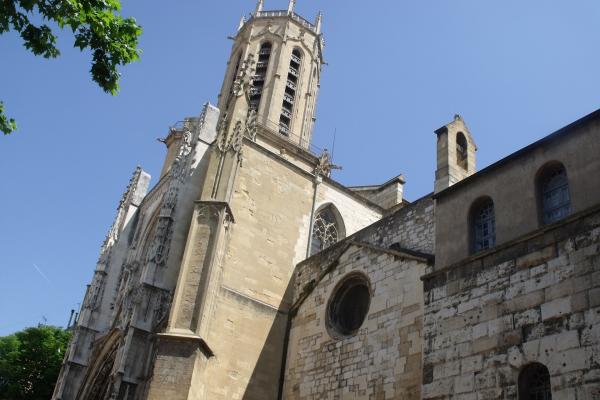
More photos coming soon
Hours & Fees
- Open
- Daily 8 a.m. to noon and 2 p.m. to 6 p.m.
- Admission
- Free admission
Hours and prices change, especially out of season. Check with the venue before you go.
Nearby Attractions
Other places to visit in Aix-en-provence
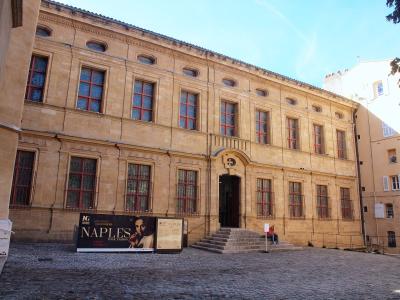
Musée Granet
Major Cézanne collection and Paul McCartney photos
Art Museums · Cultural Centers
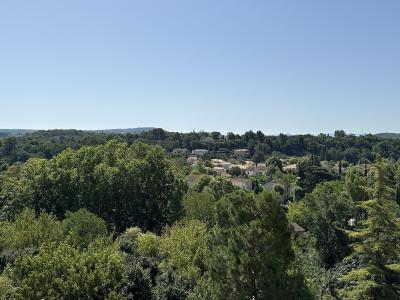
Château de la Tour d'Aigues
16th-century Renaissance ruins housing a faience museum
Free Castles · Heritage Trails
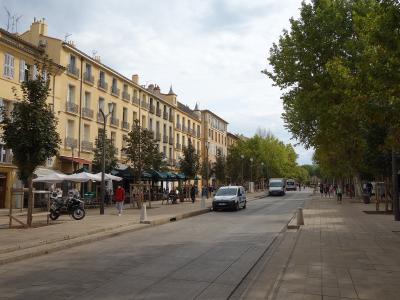
Cours Mirabeau
Tree-lined avenue with fountains and mansions
Free Historic Architecture · Nature & Parks
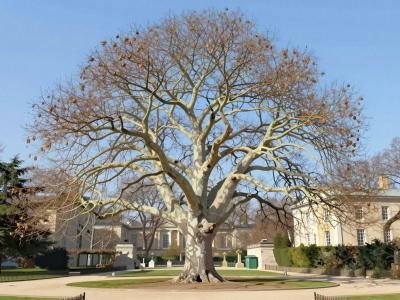
Jardin Botanique des Planes
Botanical garden with rare plant species in Aix-en-Provence
Free Nature & Parks
Questions people ask
Quick Facts
Best Time to Visit
March to May and September to November offer mild weather and fewer crowds for optimal exploration.