







- Hours
- 10 am to 6.15 pm
- Where
- Paris, Île-de-France
- Directions
- Directions
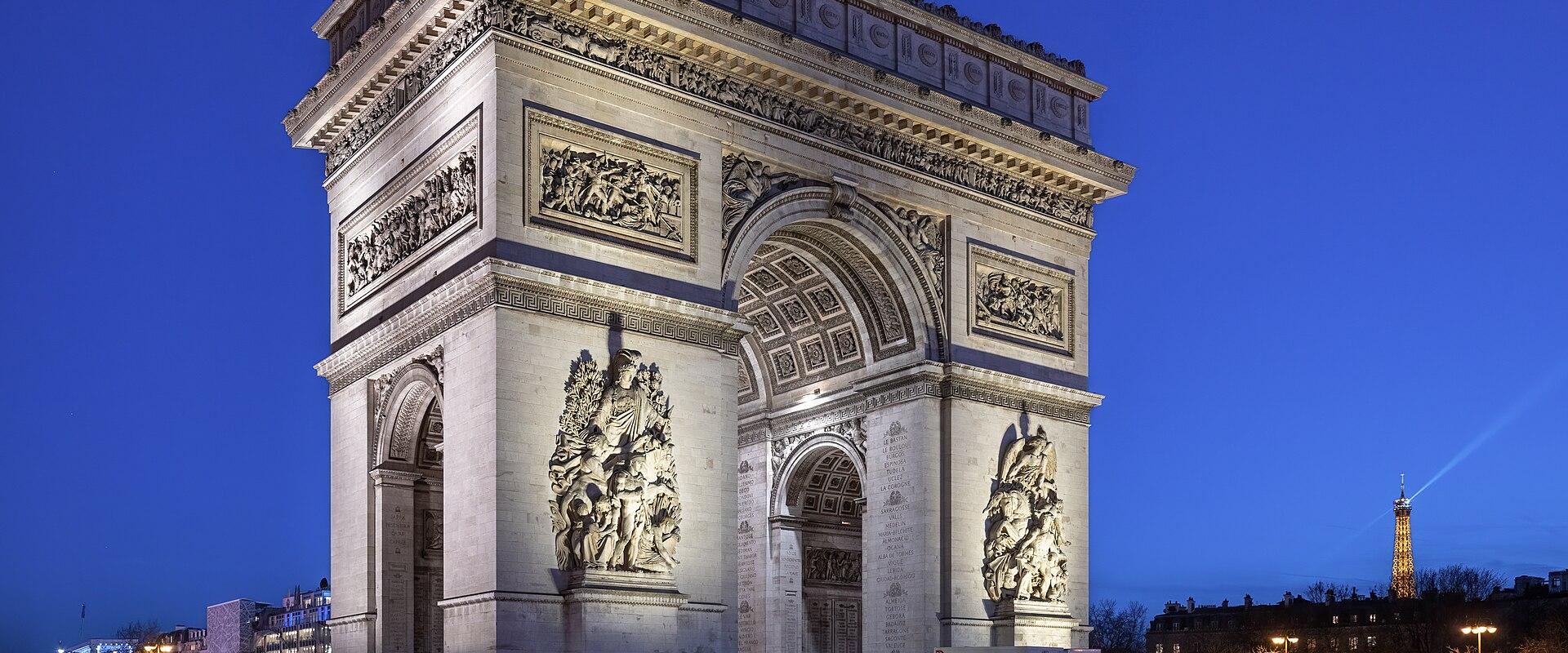
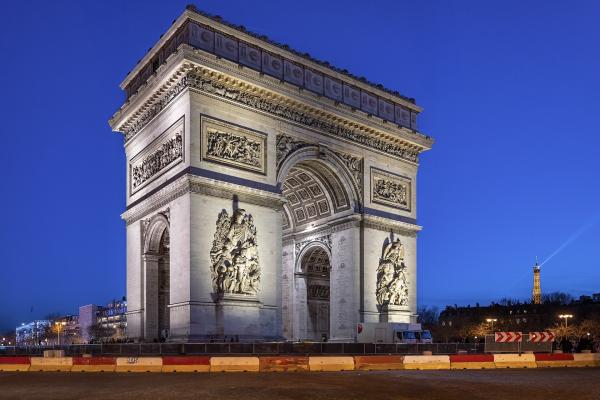
The Arc de Triomphe stands at the top of the Champs-Élysées, in the middle of the Place Charles-de-Gaulle, also called the Place de l'Étoile, where twelve avenues meet in a star. It is among the most recognisable monuments in the world and the great symbol of French national memory. Napoleon ordered its construction in 1806, after his victory at Austerlitz, to honour the soldiers of his armies, and the architect Jean-François Chalgrin drew up the plans. Building was slow and was interrupted by the fall of the empire, and the arch was finally completed under King Louis-Philippe and inaugurated in 1836. It stands just under fifty metres high and about forty-five metres wide, a vast block of pale limestone in a stripped-down Neoclassical style, inspired by Roman triumphal arches.
The sculpture is the glory of the arch. The most famous relief, on the side facing the Champs-Élysées, is La Marseillaise, or the Departure of the Volunteers of 1792, by the sculptor François Rude, a dramatic group in which a winged figure of Liberty urges men to defend the republic. Other reliefs show the triumph of Napoleon and scenes of battle. The inside walls carry the names of the generals and the battles of the Revolution and the Empire, with the names of fallen officers underlined, so the monument is also a roll of honour.
Beneath the arch lies the Tomb of the Unknown Soldier, buried on 11 November 1920 to represent all the French soldiers who died in the First World War. A flame of remembrance, lit in 1923, is rekindled every evening in a ceremony at the tomb, and wreaths are laid on national days. The arch has been used as the focus of national ceremonies, such as the victory parade of 1919, the Liberation of Paris in 1944 and the finish line of the Tour de France.
The climb to the top is made by 284 steps, though a lift for people with reduced mobility is sometimes in service, so check its status. The platform gives a magnificent view along the twelve avenues, with the Eiffel Tower, the Sacré-Cœur on its hill, the Champs-Élysées running to the Louvre and the towers of La Défense in the other direction. The traffic around the arch is chaotic, and visitors must reach it by the underground passage, not by crossing the roundabout. Tickets are required for the climb and the museum space in the attic, with reduced rates for some groups, and hours vary by season.
The arch suits first-time visitors to Paris, history lovers and anyone who enjoys a view. Plan about an hour, and visit in late afternoon for the light on the avenues.
Categories
More photos coming soon
Opening Hours
- Open
- 10 am to 6.15 pm
Hours and prices change, especially out of season. Check with the venue before you go.
Nearby Attractions
Other places to visit in Paris
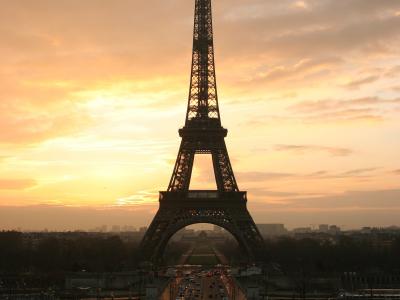
Eiffel Tower
324m iron lattice tower built for 1889 World's Fair
From €3.80 Historic Architecture · Towers
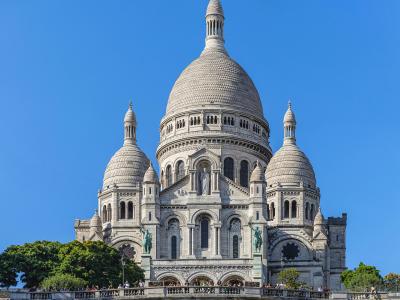
Montmartre and Sacré-Cœur
White basilica atop Montmartre hill
Free Guided Experiences · Historic Architecture
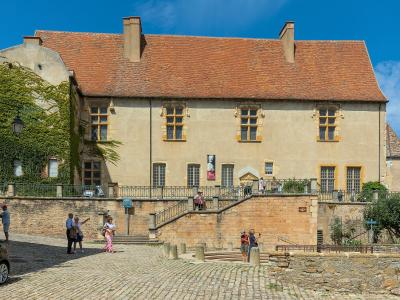
Cluny Museum (Musée de Cluny)
Medieval abbey and museum in Burgundy
From €8 Historic Architecture · Museums & Culture
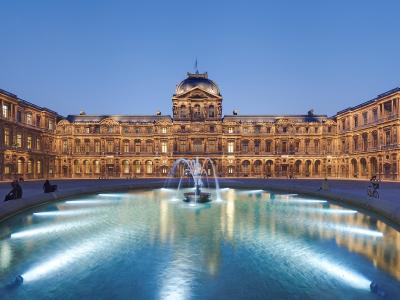
The Louvre Museum
World's largest art museum in historic Paris palace
From €22 Guided Experiences · Historic Architecture
Questions people ask
Quick Facts
Best Time to Visit
April to June and September to October offer mild weather and fewer crowds for optimal exploration.