







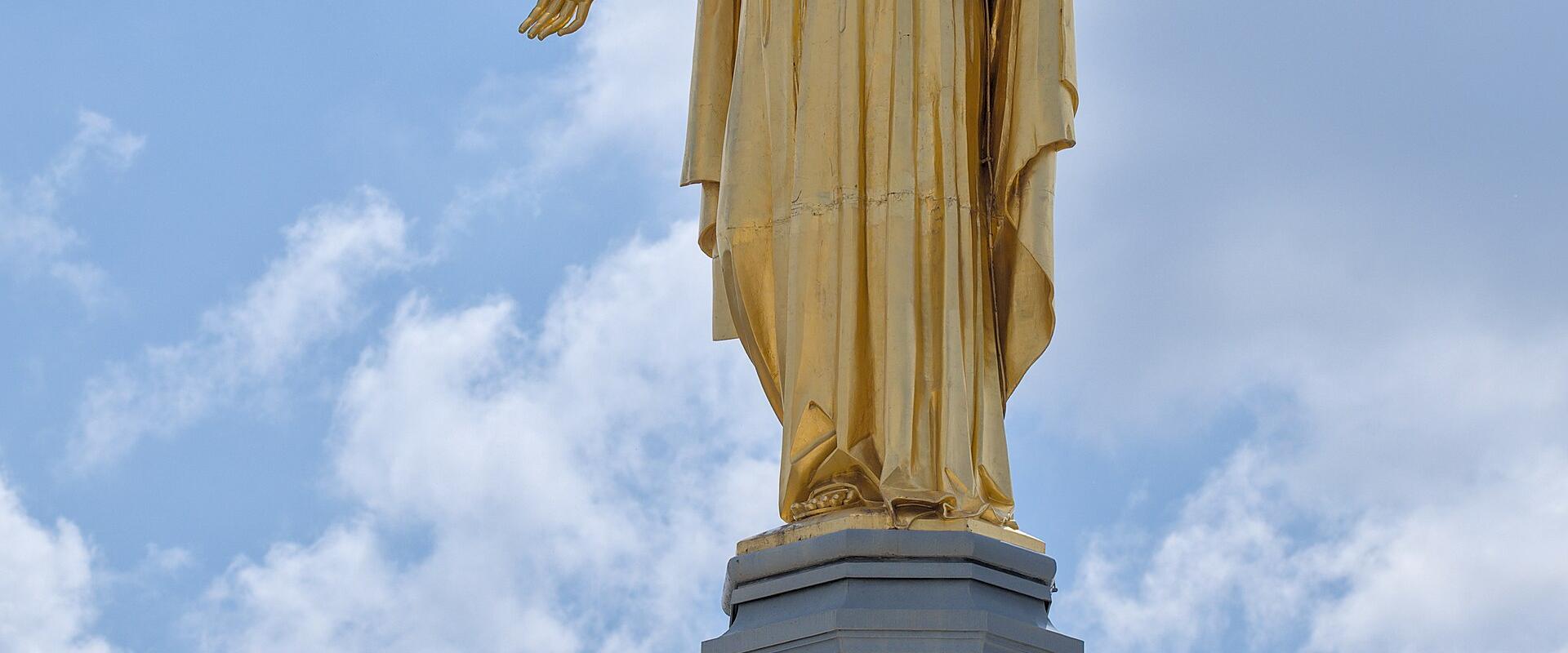
Basilica of Notre-Dame de Fourvière
19th-century basilica with panoramic Lyon views
- Where
- Lyon, Rhône-Alpes
- Directions
- Directions
Notre-Dame de Fourvière crowns the hill on the west bank of the Saône, above Vieux-Lyon, and its four towers are visible from much of the city. The hill is where the Romans founded Lugdunum in 43 BC, and the neighbouring Roman theatres, still used for summer performances, are a reminder that the site was a centre of power long before the church. The basilica is a place of pilgrimage for Lyon's Catholics, and it also works as a viewpoint, a museum of nineteenth-century religious art and one of the city's emblems.
Its origins lie in a vow made in 1870, during the Franco-Prussian war, when Lyon's leaders promised to build a church to the Virgin Mary if the city was spared. Construction began in 1872 to plans by the architect Pierre Bossan, and the building was consecrated in 1896. Louis Sainte-Marie-Perrin took charge of the work after Bossan's death and oversaw much of the decoration, and parts of the interior were finished in the decades that followed, including after the Second World War. Bossan's design mixes Romanesque and Byzantine ideas with a heavy dose of Gothic verticality, and critics have been arguing about its eclecticism ever since. Lyonnais have given it nicknames, but the basilica long ago became part of the skyline.
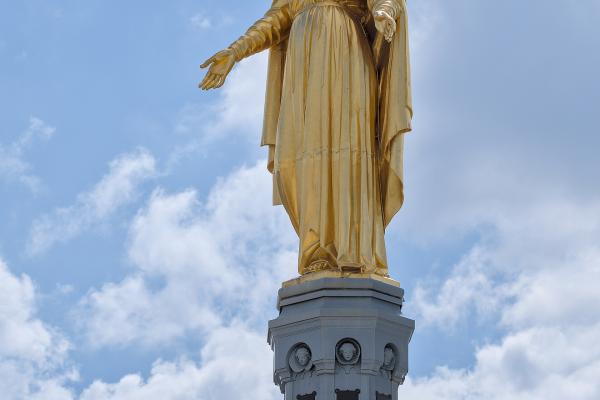
Inside, almost every surface is decorated. Mosaics cover the walls and vaults of the nave, and stained glass fills the windows, with scenes showing episodes from the life of Mary and from the Bible. The mosaics in the nave and sanctuary include several that follow the history of the Virgin's role in the life of the Church and of France. The crypt below is calmer and more austere and is dedicated to Saint Joseph, with a statue by Joseph-Hugues Fabisch, who also made the golden Virgin that stands on the old chapel tower beside the basilica. The organ was built by the Merklin firm, one of the great builders of the century.
Outside, the esplanade is where most visitors linger. A viewing platform looks across the rooftops of Lyon to the confluence of the Rhône and Saône, and on a clear day you can see as far as the Alps. A bronze statue of Pope John Paul II, by the sculptor Elisabeth Cibot, stands nearby. Beside the basilica a small museum displays liturgical objects and treasures connected with the church's history. Be aware that this is a working place of worship, so quiet and respectful dress are expected, and guided tours should be arranged in advance.
Getting there is half the fun. Funicular Line F2 climbs from Vieux-Lyon to the hill in a couple of minutes, while the walk up the steep paths and staircases from the old town takes around twenty-five minutes and rewards you with changing views. The two attractions combine easily with a walk through the old streets and a visit to the Cathédrale Saint-Jean-Baptiste at the bottom of the hill, and the basilica suits anyone interested in architecture, religious history or simply the best view in Lyon.
Categories
More photos coming soon
Nearby Attractions
Other places to visit in Lyon
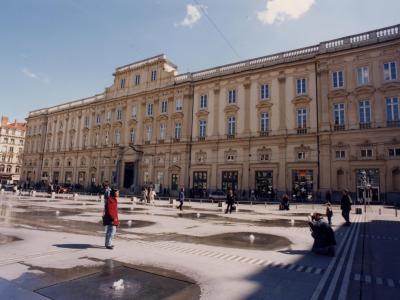
Musée des Beaux-Arts de Lyon
France's second-largest museum in a 17th-century abbey
Historic Architecture · Museums & Culture
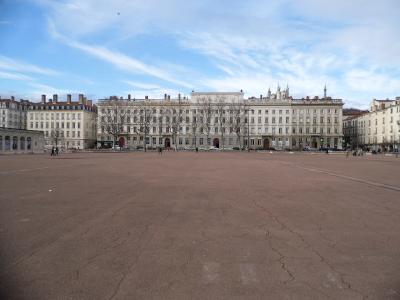
Place Bellecour
Europe's largest pedestrian square with red laterite paving
Free City Centers · Heritage Trails
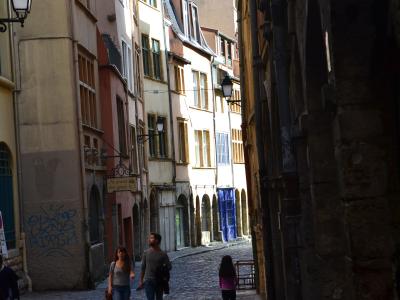
Vieux Lyon (Old Lyon)
UNESCO Renaissance district with hidden traboules
Guided Experiences · Historic Architecture
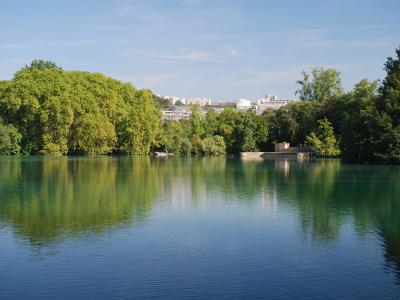
Parc de la Tête d'Or
Historic urban park and botanical garden
Nature & Parks · Urban Exploration
Questions people ask
Quick Facts
Best Time to Visit
May to June and September to October offer mild weather and ideal conditions for outdoor activities and sightseeing.