







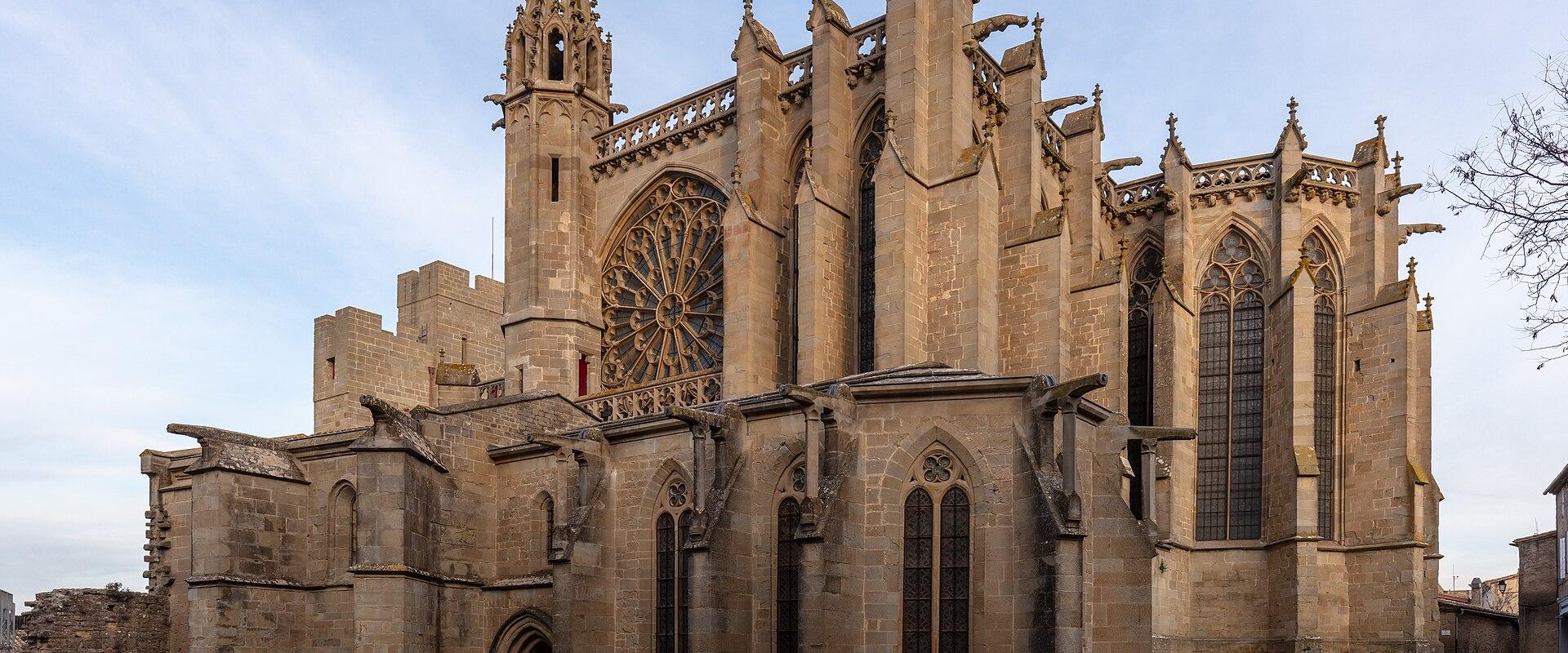
Basilica of Saint-Nazaire
Romanesque and Gothic basilica inside the Cité of Carcassonne
- Admission
- Free admission
- Hours
- Reported as 9:00–12:00 and 13:45–18:00, until 19:00 in July and August, with visits suspen...
- Where
- Carcassonne, Midi-Pyrénées
- Directions
- Directions
The Basilica of Saint-Nazaire and Saint-Celse stands inside the walls of the Cité de Carcassonne, a short walk from the Château Comtal. It was once the cathedral of Carcassonne, and it kept that role until the bishop's seat moved to the lower town in the early 1800s. The building is a fine example of how a church can change over centuries, and it is probably the most interesting interior in the medieval fortress after the castle.
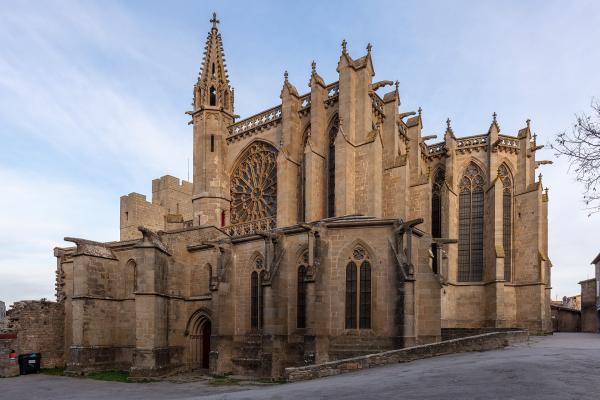
The oldest part is the Romanesque nave, largely of the 12th century. Pope Urban II blessed the building materials in June 1096, while travelling through the south of France. It has thick walls, round arches, heavy pillars and small windows, so the nave is dim and solid. The contrast comes at the east end. In the thirteenth and fourteenth centuries the Romanesque choir was replaced by a Gothic chevet, with tall, pointed windows, a high vault and slim columns, as bishops rebuilt it in the new northern style. The change from heavy stone to light stained glass happens as you walk toward the altar.
The glass is the main reason to visit. The windows in the transept and choir include some of the finest medieval stained glass in the south of France, with deep blues and reds, and there are further panels dating from later periods. A large rose window lights each end of the transept. Look also for the carved capitals and statues, some of which show scenes and figures, and for the funerary monuments of bishops of the city inside the church. The organ is an old one, and concerts are sometimes held in the nave.
Restoration of the church was part of the nineteenth-century work in the Cité led by the architect Eugène Viollet-le-Duc and later Paul Boeswillwald, who were given the job of repairing the walls and buildings of the fortress. Some of that work is debated today, but it saved the church from decay.
Visitors should keep to quiet behaviour, as the church remains active as a place of worship, and some parts may be closed during services. Entry is normally free, with a donation welcome for upkeep. Plan about thirty to forty-five minutes. It is best seen in the morning or late afternoon, when the sun comes through the east windows and the light is more colourful. It suits anyone interested in medieval architecture, stained glass or the history of Languedoc, and it makes a good quiet stop between the busy lanes of the Cité and the walk along the ramparts.
Categories
More photos coming soon
Hours & Fees
- Open
- Reported as 9:00–12:00 and 13:45–18:00, until 19:00 in July and August, with visits suspended during Sunday Mass at 11:00; hours may differ in winter
- Admission
- Free admission
Hours and prices change, especially out of season. Check with the venue before you go.
Nearby Attractions
Other places to visit in Carcassonne
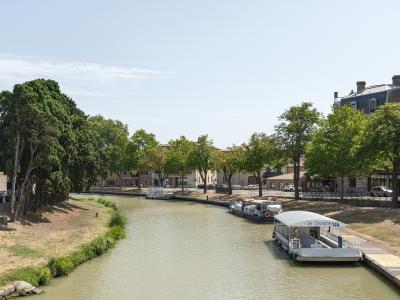
Canal du Midi
UNESCO site with Fresquel aqueduct and locks
Heritage Trails · Historic Towns
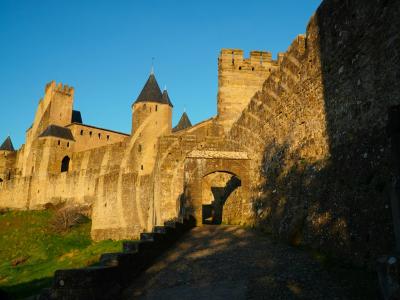
Cité de Carcassonne (The Medieval Fortress)
Double-walled medieval fortress in southern France
Fortresses · Heritage Trails
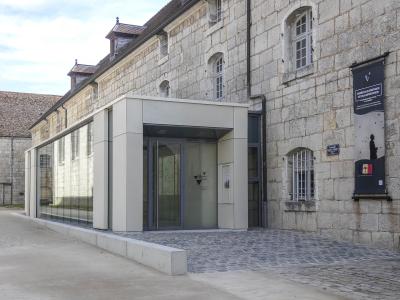
Musée de la Résistance et de la Déportation
Museum of Resistance and Deportation in Carcassonne
History Museums
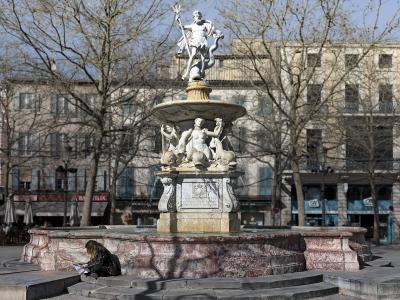
Place Carnot
Central square in Carcassonne's historic district
Free City Centers · Squares
Questions people ask
Quick Facts
Best Time to Visit
Early July to late August offers warm weather and ideal conditions for outdoor activities and sightseeing.