







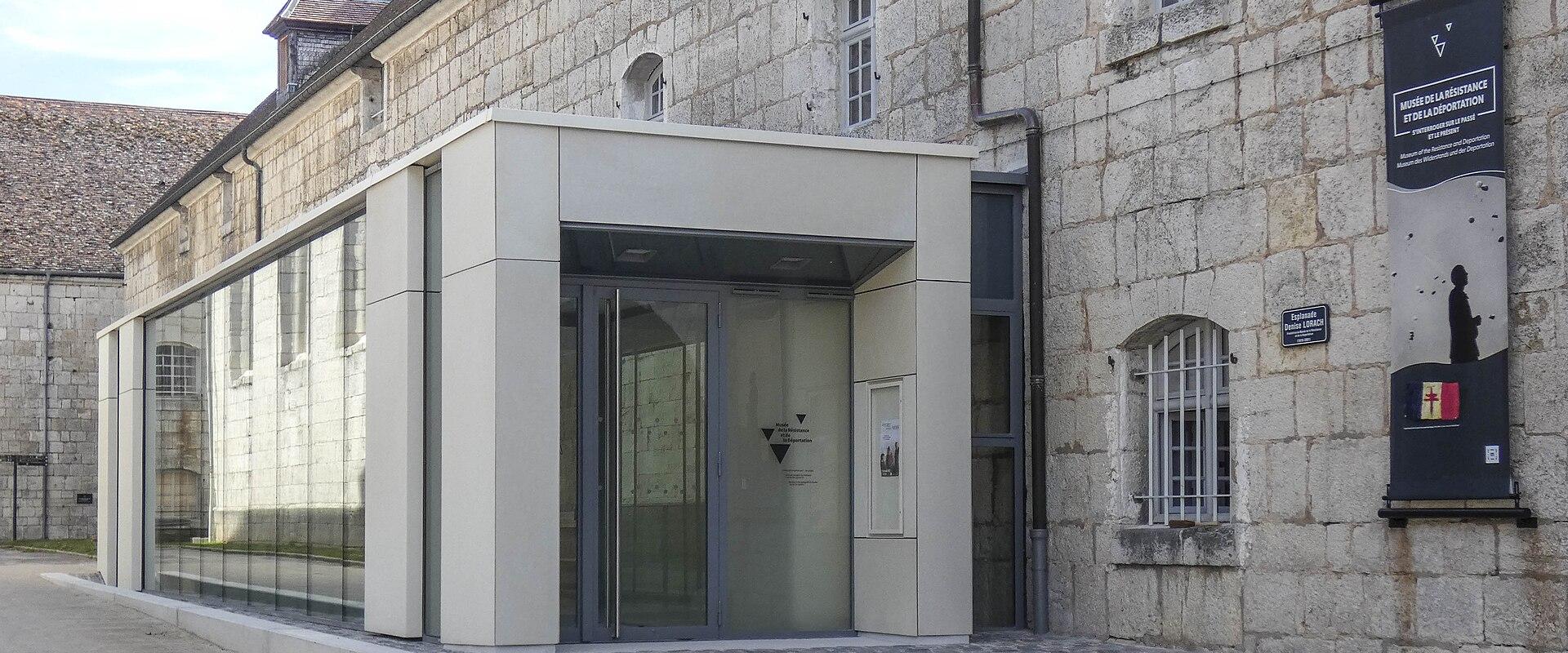
Musée de la Résistance et de la Déportation
Museum of Resistance and Deportation in Carcassonne
- Admission
- Free entry for self-guided tours
- Hours
- Tuesday to Sunday 10:00–12:30 and 13:30–18:00; closed Monday and bank holidays; open on Ma...
- Where
- Carcassonne, Midi-Pyrénées
- Directions
- Directions
The Musée de la Résistance et de la Déportation in Carcassonne is a small museum devoted to a period that many families in the Aude still remember. It is separate from the better-known medieval Cité and is found in the lower town, the Bastide Saint-Louis, which was laid out in the thirteenth century on the other side of the river Aude. A visit offers a different side of Carcassonne, a serious and informative one, and it helps to understand how the Second World War was experienced in the south of France.
The Aude, like much of the south, was in the so-called free zone after the armistice of 1940 and was then occupied by German troops in November 1942, when the Germans moved into the whole country. In the following years the department's rough, wooded hills, including the Montagne Noire and the Corbières, offered shelter for resistance groups and maquis, and local people organised networks that helped hide people, distribute newspapers and sabotage the occupier's activities. At the same time the authorities of the Vichy regime and the Germans carried out arrests and deportations, including those of Jewish families and of resistance fighters sent to camps. The museum keeps the memory of these events, and of the people involved, through documents, photographs, objects and personal testimonies.
The permanent exhibition follows the chronology of the war and the occupation, explaining the context of the defeat, the daily life of the population under rationing and surveillance, the growth of the Resistance and the repression that followed. Among the displays are objects, papers and clandestine publications of the time. A particularly moving part of the collection consists of drawings made by deportees in the camps, which give a direct view of life behind the wire. The museum also stresses the values of civic engagement and the duty to remember, and it is used by schools for teaching about the period.
The subject is serious, and the museum is quiet and contemplative, so it is better suited to older children and adults than to young ones. Entry is free for visitors who tour the exhibition on their own, and guided visits can be arranged. Opening hours are limited, with a break at lunchtime and closure on Mondays and public holidays, so it is wise to check before you set out. A visit usually takes about an hour.
In the lower town, the Place Carnot, with its market and cafés, the Pont-Vieux over the Aude and the Canal du Midi are all near, while the medieval Cité, with the Château Comtal and the Basilica of Saint-Nazaire, lies across the river. The museum suits anyone interested in the history of the Occupation and the Resistance.
Categories
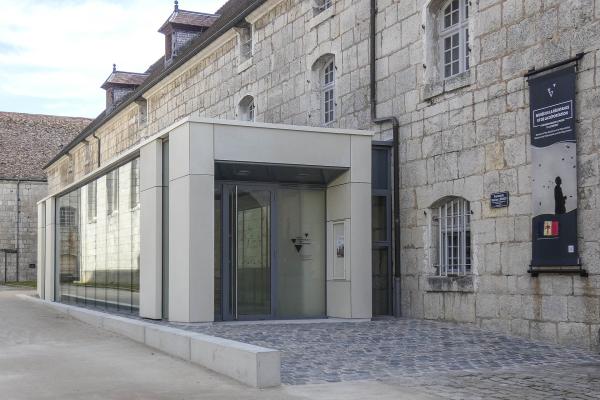
More photos coming soon
Hours & Fees
- Open
- Tuesday to Sunday 10:00–12:30 and 13:30–18:00; closed Monday and bank holidays; open on May 8th
- Admission
- Free entry for self-guided tours
Hours and prices change, especially out of season. Check with the venue before you go.
Nearby Attractions
Other places to visit in Carcassonne
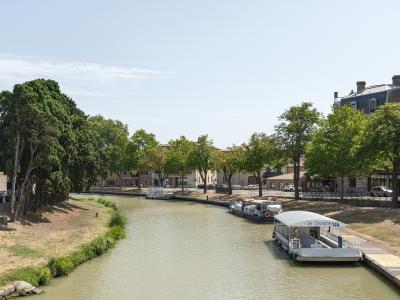
Canal du Midi
UNESCO site with Fresquel aqueduct and locks
Heritage Trails · Historic Towns
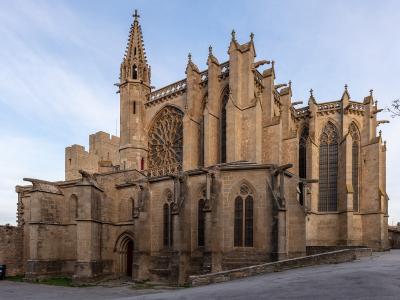
Basilica of Saint-Nazaire
Romanesque and Gothic basilica inside the Cité of Carcassonne
Free Churches · Heritage Trails
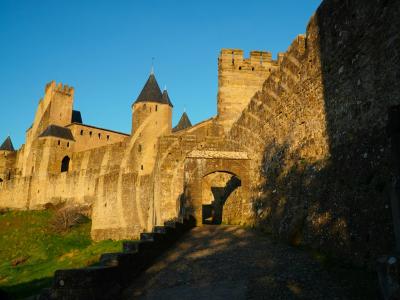
Cité de Carcassonne (The Medieval Fortress)
Double-walled medieval fortress in southern France
Fortresses · Heritage Trails
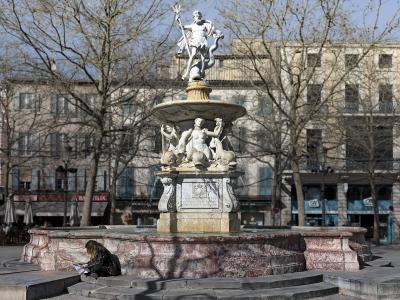
Place Carnot
Central square in Carcassonne's historic district
Free City Centers · Squares
Questions people ask
Quick Facts
Best Time to Visit
Early July to late August offers warm weather and ideal conditions for outdoor activities and sightseeing.