







- Where
- Carcassonne, Midi-Pyrénées
- Directions
- Directions
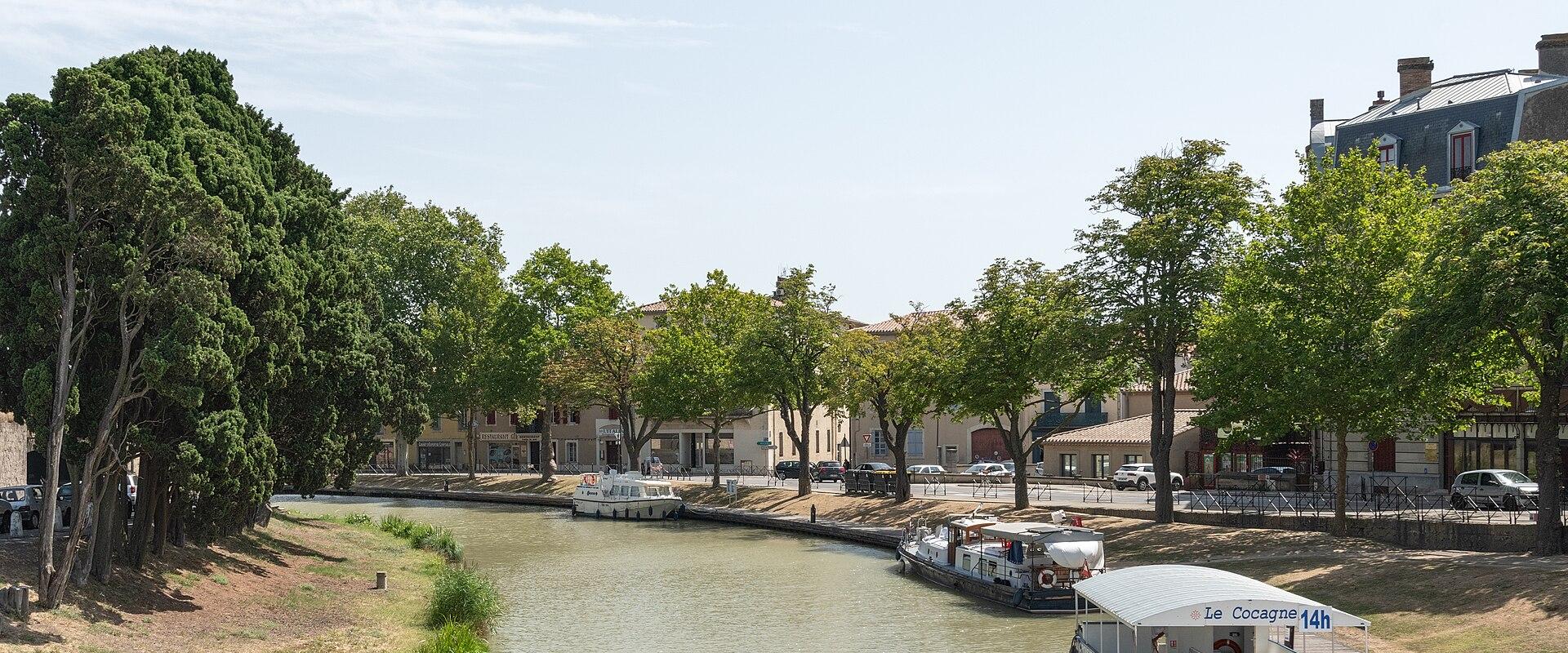
The Canal du Midi is one of the great feats of seventeenth-century engineering, a waterway of roughly 240 kilometres that links Toulouse with the Mediterranean and, together with the Garonne, forms the Canal des Deux Mers between the Atlantic and the Mediterranean. Construction began in 1666 and the canal opened in 1681, designed and financed by Pierre-Paul Riquet, a tax collector from Béziers who spent his fortune on it and died shortly before it was finished. UNESCO inscribed the canal as a World Heritage site in 1996, partly for the way its stone structures, tree-lined banks and gentle curves blend into the landscape.
Around Carcassonne the canal has a story of its own. Riquet's plan was to bring it close to the city, but the route was changed and the waterway runs about two kilometres north of the walls, following the valley of the Fresquel river. The Grasaille hill is the obstacle usually named in the retelling, and the officials who would not pay to cut through it are part of local lore. The result is the Fresquel navigable aqueduct, which carries the canal over the river, and a double lock nearby, both worth seeing as a pair because they show how the engineers solved the problem of crossing a river with a boat channel. The Port de Foucaud is another historic point on this stretch, tied to the transfer of goods between boats and the road.
The pleasure of the Canal du Midi is in moving slowly beside it. The towpath is flat and shaded by plane trees, and it suits walking and cycling in any season, though summer shade is especially welcome. You will meet houseboats, hire cruisers and the occasional barge working through the locks, each lock keeper's cottage a small piece of the canal's original organisation. Vineyards and small villages line the route, and a picnic by a lock is a simple and typical way to spend an afternoon.
From the Cité de Carcassonne and the Pont-Vieux it is an easy trip to the canal basin and then out to the aqueduct, so you can pair the medieval fortress with the industrial-age waterway in a single day. There is no admission to the banks. Those who want more can hire a bike, rent a boat for a few hours, or join a short cruise. The canal suits anyone interested in engineering history, cyclists who prefer calm routes, and travellers who like a quiet counterpoint to Carcassonne's crowds.
Categories
More photos coming soon
Nearby Attractions
Other places to visit in Carcassonne
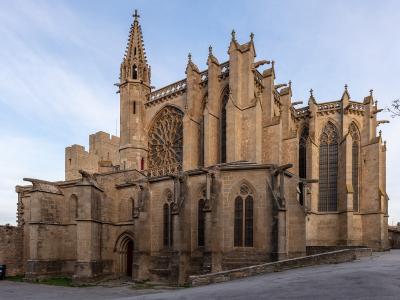
Basilica of Saint-Nazaire
Romanesque and Gothic basilica inside the Cité of Carcassonne
Free Churches · Heritage Trails
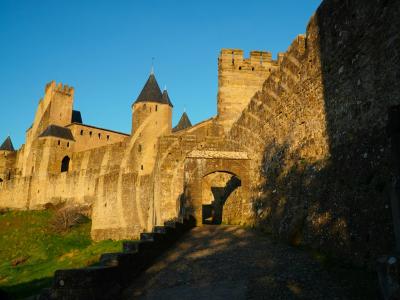
Cité de Carcassonne (The Medieval Fortress)
Double-walled medieval fortress in southern France
Fortresses · Heritage Trails
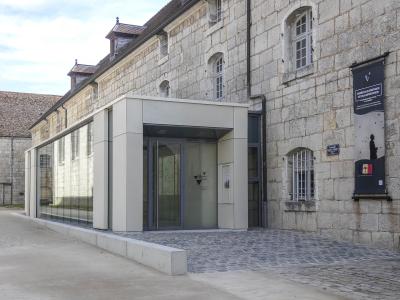
Musée de la Résistance et de la Déportation
Museum of Resistance and Deportation in Carcassonne
History Museums
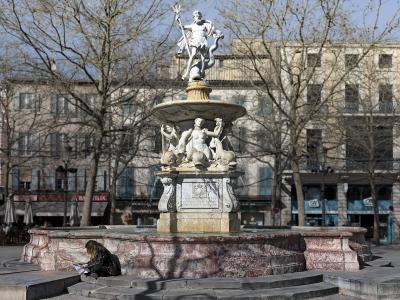
Place Carnot
Central square in Carcassonne's historic district
Free City Centers · Squares
Questions people ask
Quick Facts
Best Time to Visit
Early July to late August offers warm weather and ideal conditions for outdoor activities and sightseeing.