







- Admission
- Free entry
- Where
- Marseille, Provence-Alpes-Côte d'Azur
- Directions
- Directions
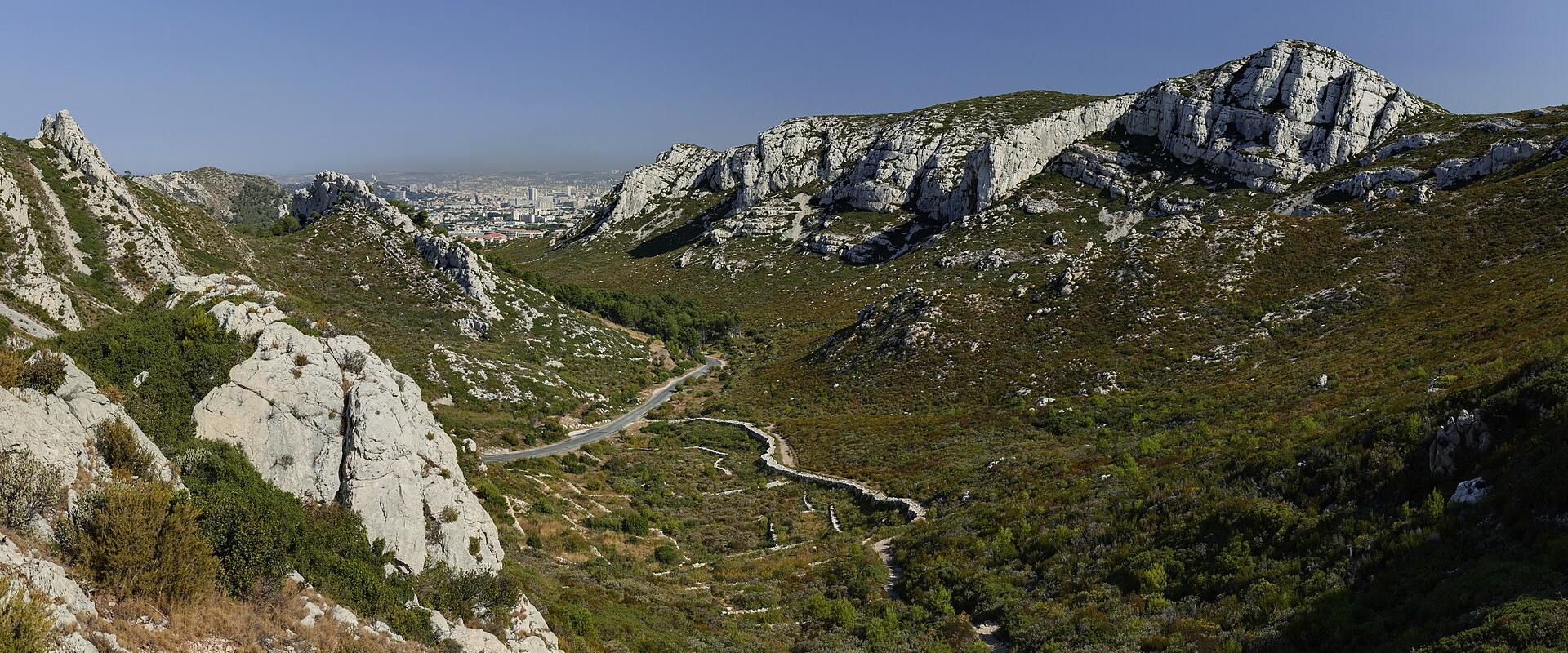
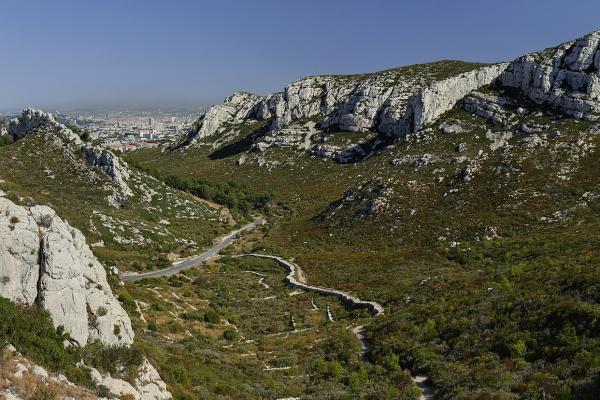
The Calanques National Park runs along the coast east and south of Marseille, between the edge of the city and the town of La Ciotat, and it is an unusual protected area: it covers wild limestone cliffs and valleys, the sea in front of them, and land right next to a large city. It was created in 2012 as France's tenth national park, and it is often described as the only national park in Europe with a built-up urban fringe. This closeness to Marseille is part of its charm, since you can hike a wild-looking cove after a morning in the city.
A calanque is a steep-sided inlet cut into limestone, something like a miniature fjord, and the coast here has dozens of them. White cliffs fall straight into water that turns green and turquoise in the sun, with pine trees clinging to ledges and small pebble beaches at the end of each inlet. Among the best known are Sormiou, Morgiou, Sugiton, Port-Pin and En-Vau, each with its own character. Morgiou has a small harbour with traditional cabanons, simple fishermen's cottages, while En-Vau is famous for its pale cliffs and a narrow beach that is difficult to reach and much loved. Port-Miou, close to Cassis, is long and straight, with boats moored at the head.
The park is mainly for walking. Trails range from short tracks down to a nearby cove to long clifftop routes across the massif, and some involve steep, rocky ground and little shade, so water, hats and good shoes are essential. Because of the dry climate, the risk of wildfire is serious, and in summer access to the massifs is restricted on high-risk days, while a reservation system manages visitor numbers at some of the most popular spots. Check the official park information and the daily forecasts before you go, and respect closures. Swimming, snorkelling and kayaking are widespread, and boat trips from Marseille and Cassis show the cliffs from the water, which is a good alternative in the heat.
Beneath the surface, the marine reserve protects seagrass meadows and fish, and the cliffs hold nesting birds, including Bonelli's eagle. Above the water, the peak of Mont Puget stands as the highest point in the massif.
The park sits next to a city with many other sights, such as Le Panier, the MuCEM, the Château d'If and the Corniche Kennedy, so a visit combines easily with urban exploring. It suits walkers, swimmers and photographers who are ready for heat and rough ground. There is no entrance fee, but rules and restrictions change, so plan ahead.
Categories
More photos coming soon
Admission Fees
- Admission
- Free entry
Hours and prices change, especially out of season. Check with the venue before you go.
Nearby Attractions
Other places to visit in Marseille
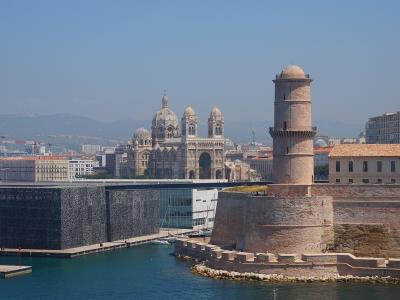
MuCEM (Museum of European and Mediterranean Civilisations)
Anthropological museum in Marseille's historic Fort Saint...
Historic Architecture · Museums & Culture
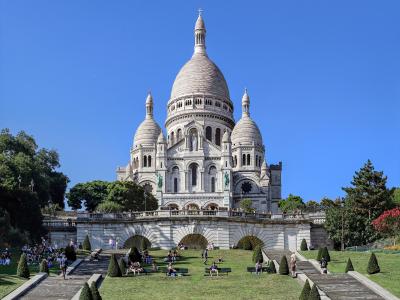
Basilique du Sacré-Cœur
Unfinished 1920 basilica with modernist aesthetic
Free Architectural Landmarks · Churches
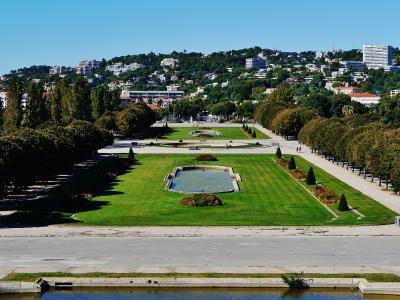
Parc Borély
Municipal park with gardens, lakes, and a castle
Free Gardens · Rivers & Lakes
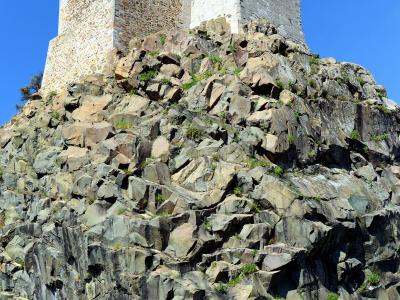
Église Notre-Dame-de-la-Garde
Golden statue crowns 19th-century Marseille basilica
Guided Experiences · Historic Architecture
Questions people ask
Quick Facts
Best Time to Visit
Late June to late August offers warm weather and ideal conditions for beach activities and sightseeing.