







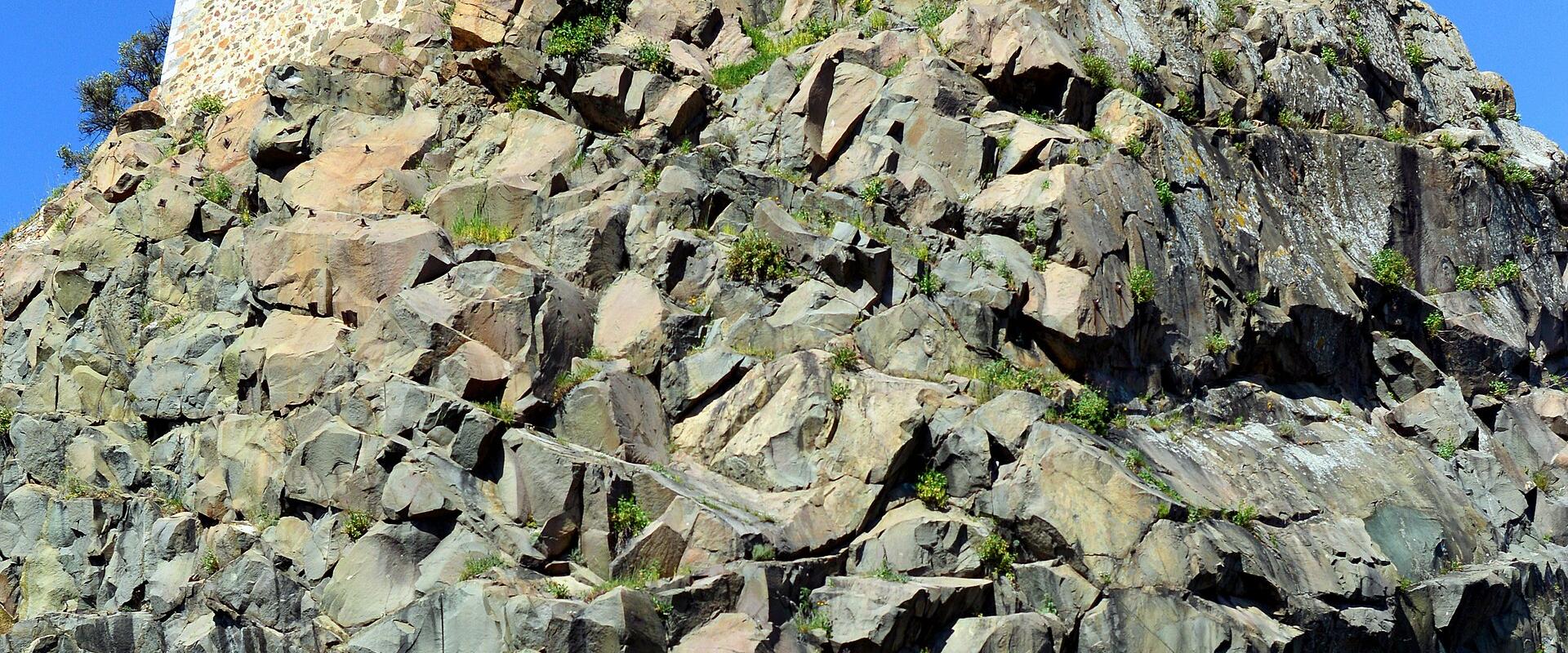
Église Notre-Dame-de-la-Garde
Golden statue crowns 19th-century Marseille basilica
- Where
- Marseille, Provence-Alpes-Côte d'Azur
- Directions
- Directions
Notre-Dame de la Garde, known to people in Marseille as La Bonne Mère, the Good Mother, is the great landmark of France's second city. The basilica sits on a limestone hill 150 metres high south of the Old Port, and its bell tower topped by a gilded statue of the Virgin and Child can be seen from almost anywhere in the city and from the sea. For sailors, fishermen and the families who waited for them, it has been a symbol of protection for centuries.
The hill was a lookout point long before the basilica was built. A chapel stood here from the Middle Ages, and in the early sixteenth century King Francis I had a fortress built on the summit to guard the port against attack. The present basilica was built between 1853 and 1864 by the architect Henri Espérandieu, in a Romano-Byzantine style, on top of the old fort, whose walls and ramparts form its base. A crypt cut into the rock lies below, and the church above is an exuberant showpiece of banded stone in white and green, with a tall bell tower. The gilded statue of the Virgin on top, nearly twelve metres high, was installed in 1870, and it glows in the sunlight.
The interior is richly decorated. Mosaics in gold and bright colours cover the vaults and walls, and marble, painted decoration and chandeliers add to the sense of abundance. What many visitors find more moving are the ex-voto offerings that cover the walls, left by sailors, fishermen and ordinary people over the years in thanks for rescue from danger or illness: model boats, paintings of shipwrecks, plaques and even aircraft propellers. They give the place a personal, popular feeling that contrasts with the formal architecture. Marks of bullets and shrapnel on the exterior walls date from the fighting during the Liberation of Marseille in August 1944.
The view is the other great reason to climb the hill. From the terrace, the whole of Marseille is spread out below, with the Old Port, the Cathédrale de la Major, the islands of the Frioul archipelago and the Château d'If, the island prison made famous by The Count of Monte Cristo, in the sea beyond. On a clear day, with the Mistral blowing, the air is sharp and the visibility is superb. The basilica is free to enter, and visitors can reach the hill by bus from the Old Port, by a tourist train or on foot by steep paths and stairs.
From Cassis, Marseille can be reached by train or car in about half an hour, and a visit to the basilica combines well with an afternoon in the city. The Calanques stretch between the two, and a trip along the coast makes a good day. The basilica suits those interested in architecture, maritime history and views. Allow an hour, and check the opening hours, as they vary with the season and with services.
Categories
More photos coming soon
Nearby Attractions
Other places to visit in Marseille
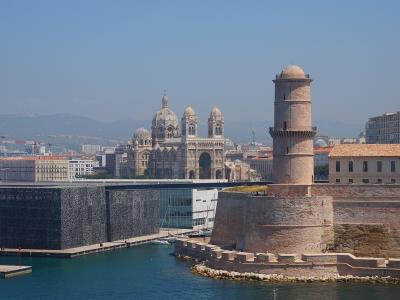
MuCEM (Museum of European and Mediterranean Civilisations)
Anthropological museum in Marseille's historic Fort Saint...
Historic Architecture · Museums & Culture
Basilique du Sacré-Cœur
Unfinished 1920 basilica with modernist aesthetic
Free Architectural Landmarks · Churches
Parc Borély
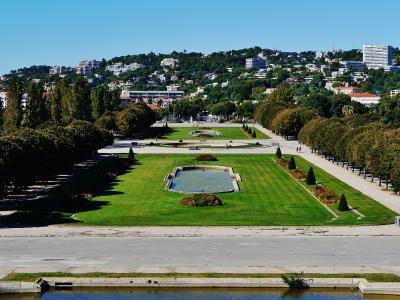
Municipal park with gardens, lakes, and a castle
Free Gardens · Rivers & Lakes
Calanques National Park
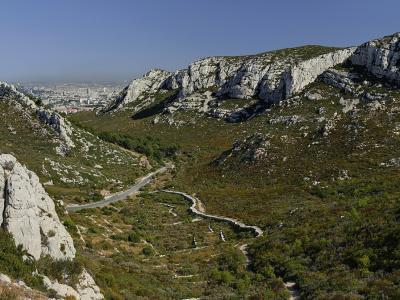
Europe's only land, sea, and urban national park
Free Beaches · Cliffs
Questions people ask
Quick Facts
Best Time to Visit
Late June to late August offers warm weather and ideal conditions for beach activities and sightseeing.