







- Admission
- Free
- Hours
- Open all day
- Where
- Paris, Île-de-France
- Directions
- Directions
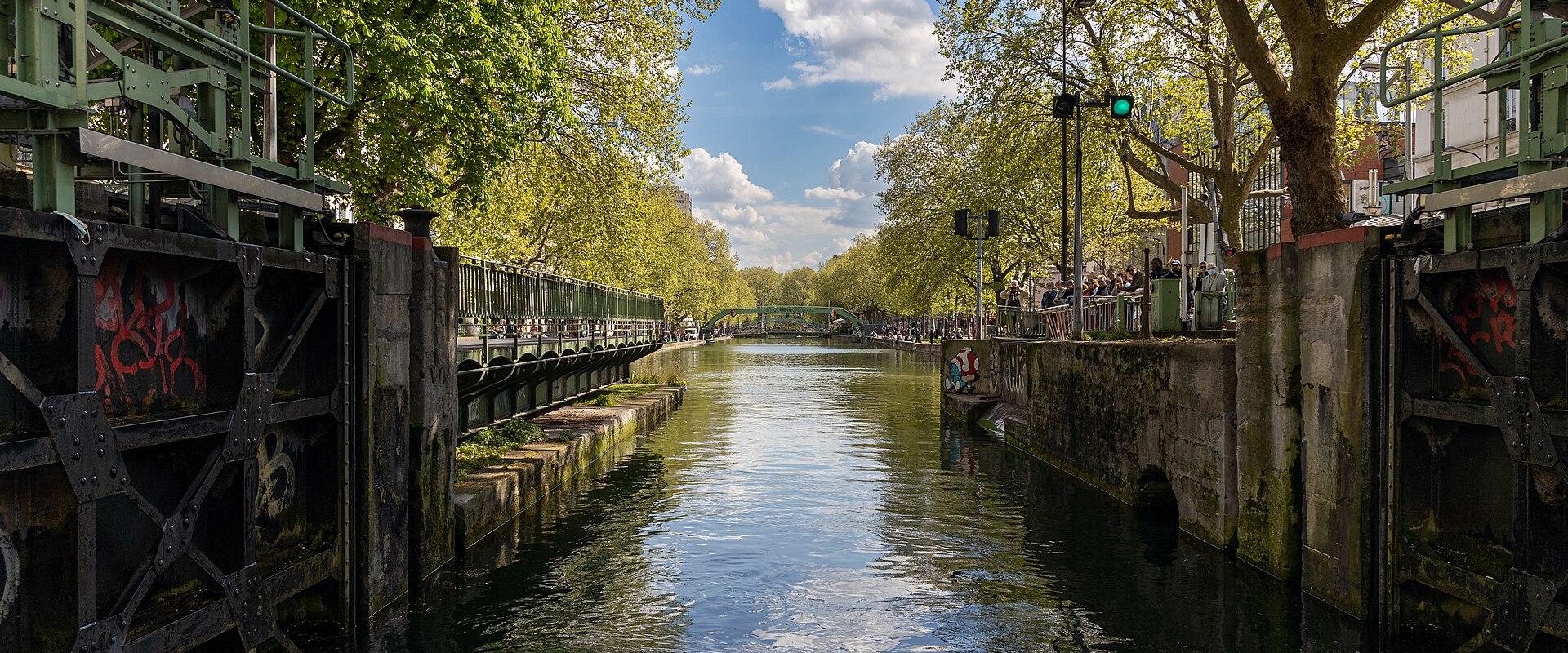
The Canal Saint-Martin runs for about four and a half kilometres through the east of Paris, from the Bassin de la Villette in the north to the Port de l'Arsenal near Bastille, and it has become one of the city's most appealing places to walk. Napoleon authorised the project in 1802 as part of a scheme to bring the waters of the Ourcq river to Paris, and the canal itself was built in the 1820s, completed in 1825. It was designed to provide water, to carry freight and to link the Ourcq and the Seine, and part of its cost was met by a tax on wine. For a century and a half it was a working waterway, lined with warehouses, factories and barges.
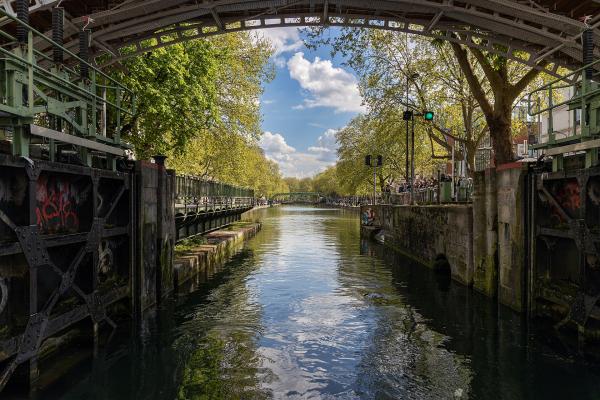
Today its character is gentler. The canal drops by a series of locks, nine in all, which give it a stepped profile, and these are crossed by iron footbridges, painted green, and by swing bridges that open when boats pass. The towpaths on either side are lined with plane and chestnut trees, and the Quai de Valmy and Quai de Jemmapes are lined with cafés, small restaurants and independent shops. On warm evenings, Parisians sit on the stone edge of the quay with drinks and picnics, and the area has a young and informal atmosphere unlike the grand boulevards of the centre. The Hôtel du Nord, a canalside building made famous by a 1938 film set there, still stands on the Quai de Jemmapes. The 2001 film Amélie includes a scene of stone-skipping on the canal.
One of the canal's most striking features is that it disappears. South of the Rue du Faubourg du Temple, the canal runs underground for more than two kilometres in a vaulted tunnel beneath the Boulevard Richard-Lenoir, emerging near Bastille. Air shafts and gratings in the boulevard mark its course. Boat trips pass through the tunnel, which gives passengers an experience of the locks and the dim light of the vault, and they depart from the Port de l'Arsenal and the Bassin de la Villette. A trip takes around two and a half hours, and gives a different view of the neighbourhood to what you see from the towpath.
A walk along the canal is easy and flat. It makes sense to start at the Bastille and follow the quays north towards the Parc de la Villette, passing locks, bridges and street art on the way, and to stop where the cafés or small shops attract you. Weekends are busiest, with sunny days drawing crowds, so early mornings and weekdays are quieter. The area is safe in daylight and busy in the evening, although you should watch for cyclists on the paths.
The canal fits easily into a day in Paris. The Marché d'Aligre, the Musée Carnavalet and the Centre Pompidou are other places that show the city's diversity, and the area around the canal is a good counterpoint to the classic monuments. It suits walkers, couples, photographers and anyone looking for a local view of Paris rather than a formal tour.
Categories
More photos coming soon
Hours & Fees
- Open
- Open all day
- Admission
- Free
Hours and prices change, especially out of season. Check with the venue before you go.
Nearby Attractions
Other places to visit in Paris
Eiffel Tower
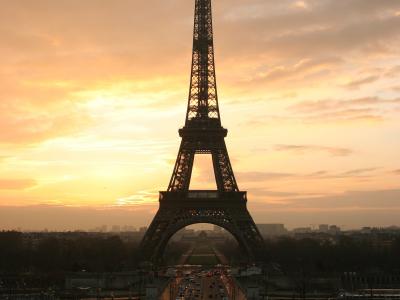
324m iron lattice tower built for 1889 World's Fair
From €3.80 Historic Architecture · Towers
Montmartre and Sacré-Cœur
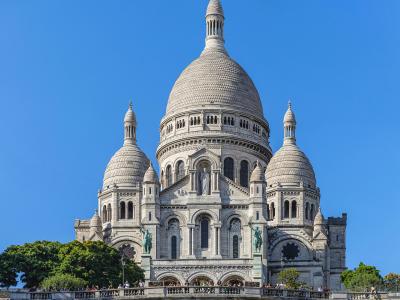
White basilica atop Montmartre hill
Free Guided Experiences · Historic Architecture
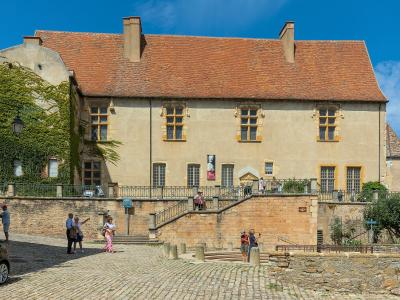
Cluny Museum (Musée de Cluny)
Medieval abbey and museum in Burgundy
From €8 Historic Architecture · Museums & Culture
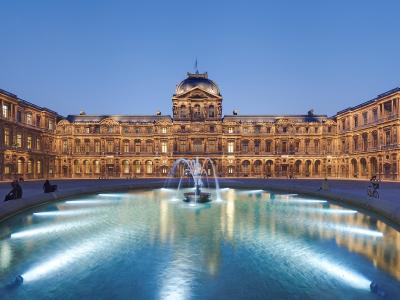
The Louvre Museum
World's largest art museum in historic Paris palace
From €22 Guided Experiences · Historic Architecture
Questions people ask
Quick Facts
Best Time to Visit
April to June and September to October offer mild weather and fewer crowds for optimal exploration.