







- Admission
- €2, free for under 26
- Hours
- Oct 1-May 31: Tue-Sun 11am-5:30pm; Jun 30-Sep 30: Daily 10:30am-6:30pm
- Where
- Perpignan, Languedoc-Roussillon
- Directions
- Directions
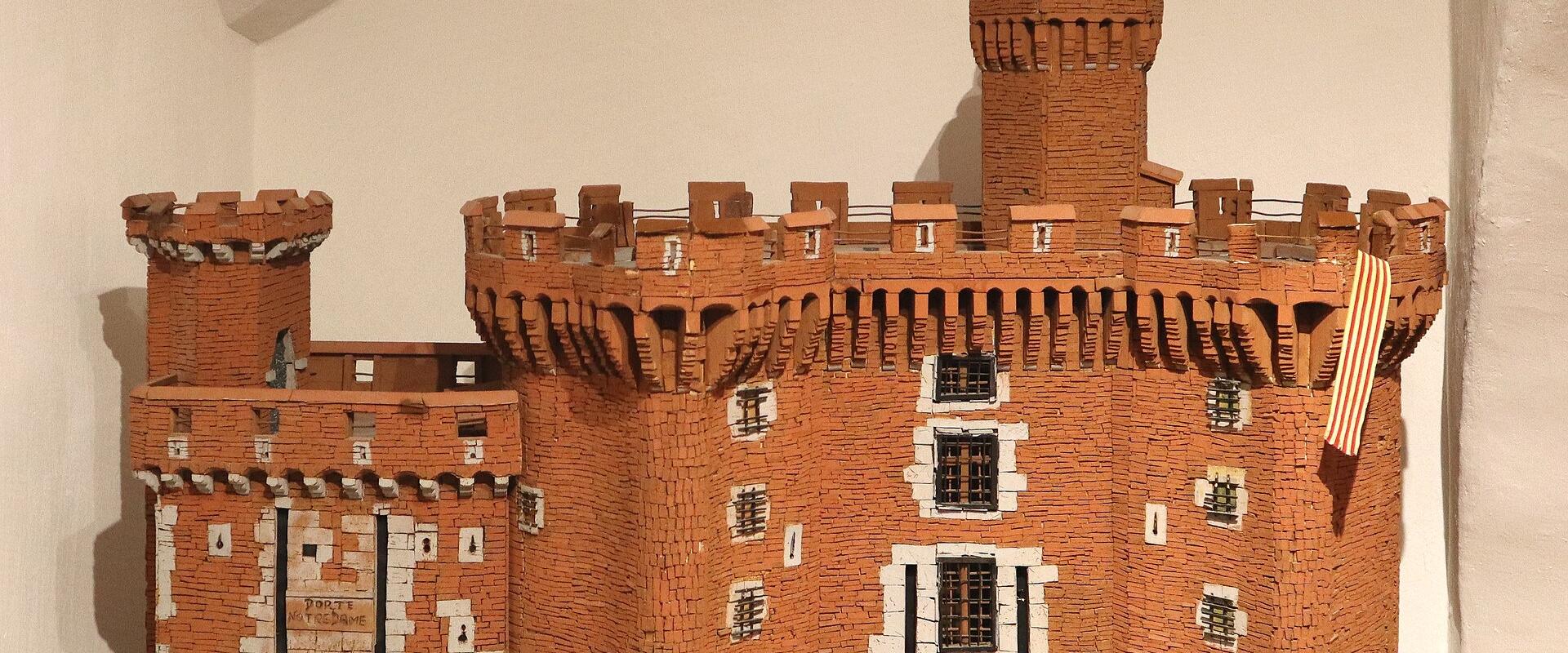
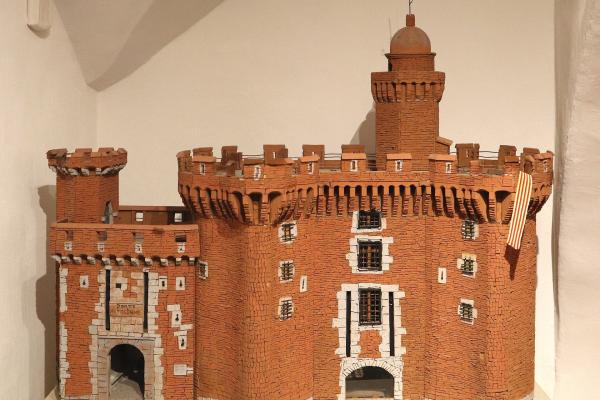
Le Castillet is the red-brick gate that has become the emblem of Perpignan, the capital of French Catalonia, and it stands at the end of the old town on the Place de Verdun, next to the river Basse. The name is Catalan for the little castle, and the building is more than a gate. It was built in the fourteenth century, from 1368, at a time when Roussillon belonged to the Crown of Aragon and Perpignan was a rich city that needed strong defences, and it was designed as a fortified gate with two towers, battlements and thick walls, with a second gate, the Porte Notre-Dame, beside it. Brick was the usual building material in the plain of Roussillon, and the warm red colour, together with the dark stone trim, gives the tower a distinctive look against the sky.
The structure was altered in later centuries. After France annexed Roussillon in 1659, the Castillet became part of the French defences and was used for military purposes, and for a long time it served as a prison, holding many people. It was saved from demolition when the city walls were pulled down in the nineteenth century and became a protected monument. The tall tower, with its battlements and the corner turrets, reaches a height that makes it a landmark for the whole old town.
Today the building houses a museum of Catalan traditions, the Casa Pairal, a Catalan name meaning the ancestral house. The museum, which opened in the 1960s, was set up to preserve the folk culture of the Roussillon, and it displays objects of daily life, such as costumes, furniture, tools, musical instruments, ceramics and religious items, as well as crafts that are typical of the region. Some displays deal with popular festivals, such as the Procession of the Sanch on Good Friday and the sardana, the Catalan circle dance. The rooms and staircases of the medieval building add to the atmosphere. Opening hours differ between the winter and summer seasons, with the museum closed on Mondays in the low season, so check before you go. A small entry fee is charged, with free entry for young people.
The climb to the terrace at the top is the highlight, as it offers a view over the red roofs of Perpignan and across the plain, with the peak of the Canigó, the sacred mountain of the Catalans, rising to the south-west on a clear day. Take care on the narrow stairs, as the steps are steep and worn.
The Castillet is the starting point for a walk through the old centre. The Place de la Loge, with the Loge de Mer, the old maritime exchange of the fourteenth century, and the town hall, is a short walk away, and the Collégiale Saint-Jean, the cathedral of the city, and the Palais des Rois de Majorque, the palace of the kings of Majorca, are other sights. The Musée Hyacinthe Rigaud and the Parc de la Cerisaie are in the town. The monument suits history lovers, photographers and visitors interested in Catalan culture.
Categories
More photos coming soon
Hours & Fees
- Open
- Oct 1-May 31: Tue-Sun 11am-5:30pm; Jun 30-Sep 30: Daily 10:30am-6:30pm
- Admission
- €2, free for under 26
Hours and prices change, especially out of season. Check with the venue before you go.
Nearby Attractions
Other places to visit in Perpignan
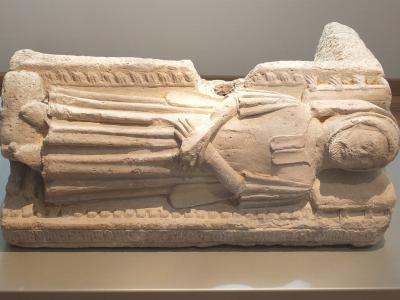
Musée Hyacinthe Rigaud
Baroque master’s birthplace in 18th-century mansions
Historic Architecture · Museums & Culture
Espace Malraux
Perpignan cultural center hosting diverse exhibitions
Museums & Culture
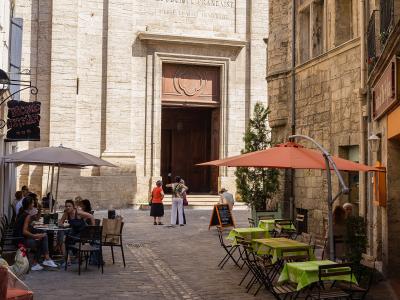
Collégiale Saint-Jean
13th-century Gothic cathedral with Baroque altarpiece
Free Architectural Landmarks · Churches
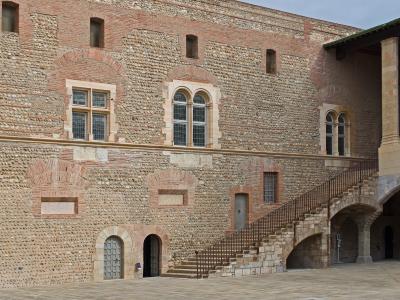
Palau Reial Major
Former royal palace in Perpignan, France
Fortresses · History Museums
Questions people ask
Quick Facts
Best Time to Visit
Late April to mid-July and September offer warm, sunny weather and ideal conditions for exploration.