







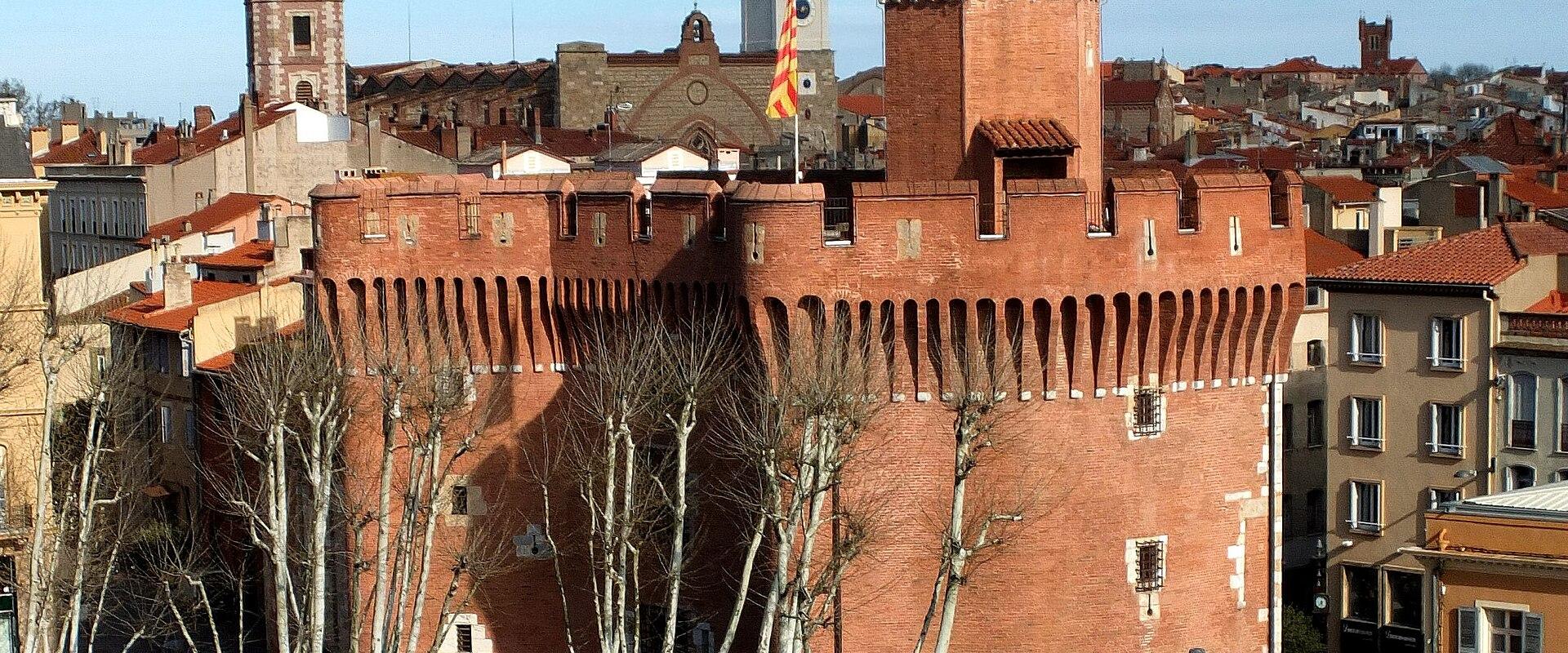
Perpignan, situated in the Pyrénées-Orientales department of southern France, is a city with a profound historical and cultural identity distinct from the rest of France. Historically, it was the capital of the Kingdom of Majorca in the 13th and 14th centuries, founded under King James I of Aragon and developed by his son James II of Majorca, who built the Palace of the Kings of Majorca, a masterpiece of Gothic architecture that now houses the Regional History Museum. After the Treaty of the Pyrenees in 1659, Perpignan was formally ceded to France, but it retained its Catalan language, customs and architectural style. This unique heritage is evident in the city's layout, with narrow streets, plazas and buildings featuring Catalan Gothic and Renaissance elements. The city also has a strong artistic tradition, being the birthplace of the famous painter Hyacinthe Rigaud, court portraitist of Louis XIV, whose works are displayed in the Hyacinthe Rigaud Museum.
The main attractions in Perpignan reflect its Catalan and royal past. The Palace of the Kings of Majorca, also called the Palau Reial Major, is the city's most iconic landmark, featuring a beautiful cloister and views of the city and the Pyrenees mountains. The Castillet, a 14th-century fortified gatehouse, served as a customs post and prison and now houses a museum dedicated to local history and traditions, the Casa Pairal. The Perpignan Cathedral, dedicated to Saint John the Baptist and listed in places as the Collégiale Saint-Jean, is a significant example of Catalan Gothic architecture, known for its impressive bell tower and interior. The Hyacinthe Rigaud Museum, located in two 18th-century mansions, displays paintings, sculptures and decorative arts from the 16th to the 19th centuries. The city center is also home to the Les Halles market, where visitors can sample local specialties like cava, wine and charcuterie, and to the Place de la Loge with the Loge de Mer, the Quartier du Vieux Perpignan, the Parc de la Cerisaie and the cultural venue known as the Espace Malraux. The railway station is known for its association with Salvador Dalí, who called it the center of the universe.
Perpignan offers various activities for visitors interested in culture, history and leisure. The city is a gateway to the Mediterranean coast, with beaches like Canet-en-Roussillon easily accessible, and Collioure, a village of Fauvist painters, is a short drive. The nearby Pyrenees mountains offer opportunities for hiking and exploring picturesque villages. The city hosts numerous festivals throughout the year, including the Fête de la Saint-Jean in June, which celebrates the summer solstice with bonfires and traditional music, the Perpignan Jazz Festival and the photojournalism festival Visa pour l'Image in September. The Petit Train de Perpignan offers a guided tour of the city's main sights. The surrounding Roussillon region is famous for its vineyards, offering wine tastings and tours of sweet wines such as Muscat de Rivesaltes. The local cuisine features Catalan specialties such as escalivada, pa amb tomàquet and fresh seafood.
Getting to Perpignan is convenient via train, with TGV services connecting it to Barcelona and Madrid with a change, and major French cities like Paris and Lyon. The train station is located close to the city center, making it easily accessible. For those traveling by car, Perpignan is connected by the A9 motorway. The best time to visit is from late April to mid-July and September, when the weather is warm and sunny with minimal rain, ideal for exploring the city and the surrounding countryside. July and August are the hottest months, with temperatures often exceeding 30°C, and can be crowded with tourists. Spring and autumn offer milder weather and fewer crowds, making them suitable for sightseeing and outdoor activities. Winter is mild but can be rainy, offering a serene atmosphere for indoor museum visits.
Best time to visit
Late April to mid-July and September offer warm, sunny weather and ideal conditions for exploration.
What to see in Perpignan
Our picks first.
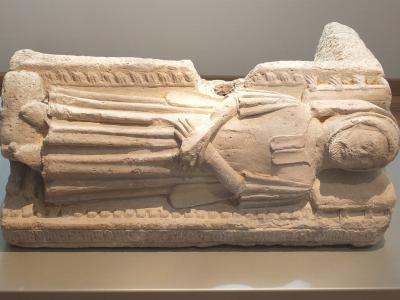
Musée Hyacinthe Rigaud
Baroque master’s birthplace in 18th-century mansions
Historic Architecture · Museums & Culture
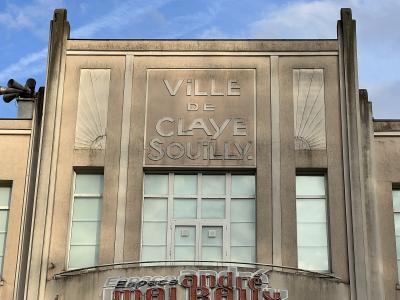
Espace Malraux
Perpignan cultural center hosting diverse exhibitions
Museums & Culture
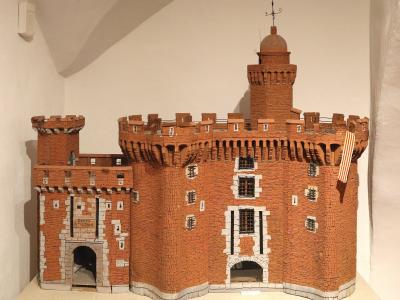
Castillet
14th-century red sandstone gateway and Occitan museum
From €2 Historic Architecture · History Museums
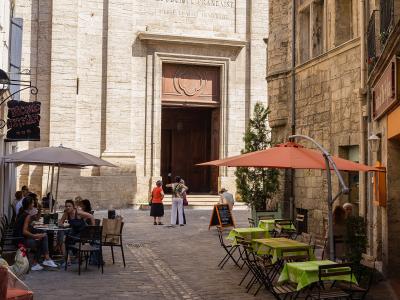
Collégiale Saint-Jean
13th-century Gothic cathedral with Baroque altarpiece
Free Architectural Landmarks · Churches
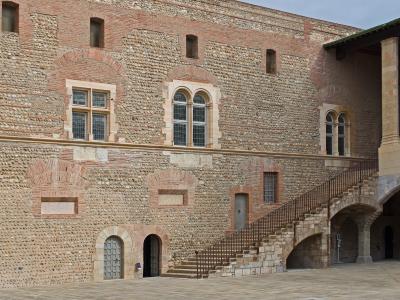
Palau Reial Major
Former royal palace in Perpignan, France
Fortresses · History Museums
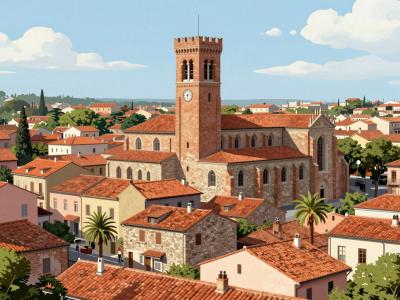
Quartier du Vieux Perpignan
Historic Catalan quarter with Gothic architecture
Free City Centers · Historic Towns
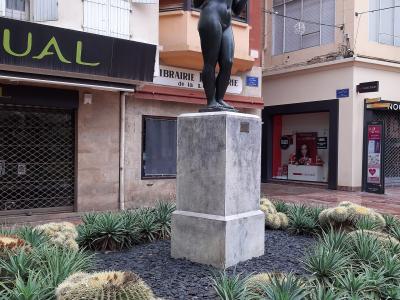
Place de la Loge
14th-century Gothic stock exchange in Perpignan
Architectural Landmarks · City Centers
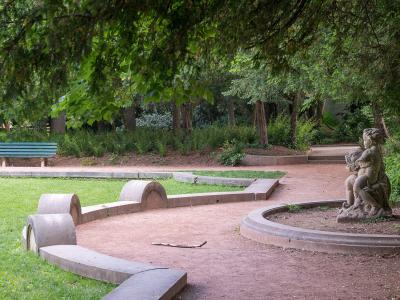
Parc de la Cerisaie
Urban park in Perpignan's historic center
Free Historic Architecture · Nature & Parks
Perpignan by interest
The same sights, grouped by what you came for.
Planning a visit to Perpignan
Good to know
- Currency
- EUR
- Language
- French
Quick Facts
Book your stay
Questions people ask
More places in Languedoc-Roussillon
Languedoc-Roussillon
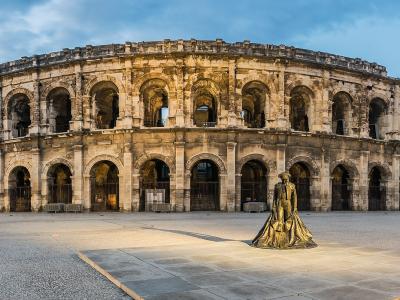
Nimes
Ancient Roman city with well-preserved amphitheater and temples
Languedoc-Roussillon
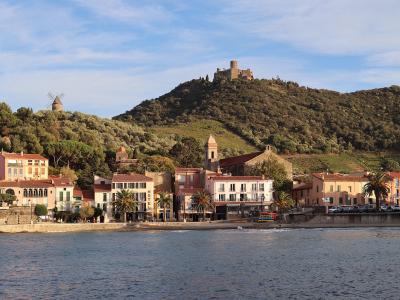
Collioure
Catalan seaside village with colorful harbor and royal castle
Languedoc-Roussillon
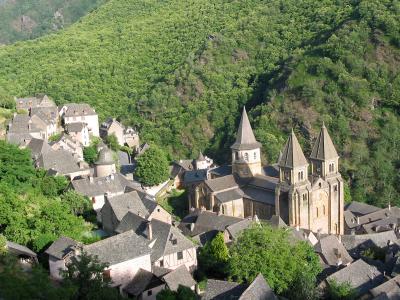
Conques
Medieval abbey village on the Way of St. James in Aveyron
Languedoc-Roussillon
Uzes
Historic duchy town in the Gard with medieval architecture