







- Where
- Perpignan, Languedoc-Roussillon
- Directions
- Directions
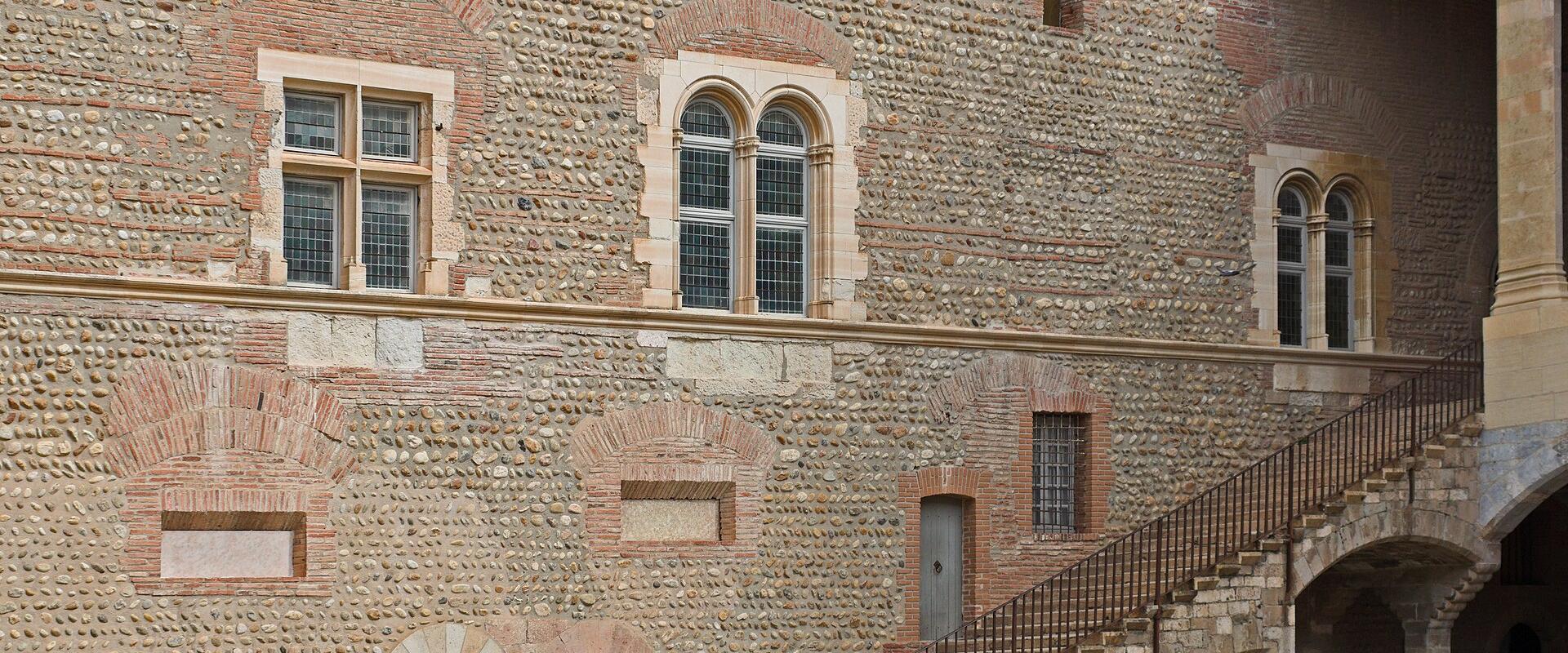
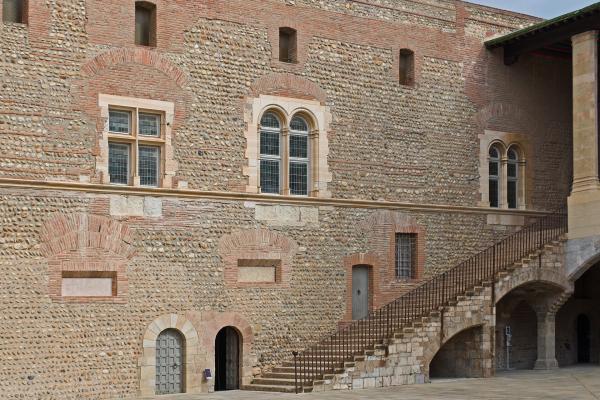
The Palais des rois de Majorque, called in Catalan the Palau Reial Major, is the great medieval palace of Perpignan, and it stands on a hill at the southern end of the old town, behind massive ramparts. It was built from the 1270s on the orders of James II of Majorca, the ruler of a Mediterranean kingdom that was created in 1262 when James I of Aragon divided his lands among his sons. The kingdom of Majorca included the Balearic Islands, the county of Roussillon and the Cerdagne, along with the city of Montpellier, and Perpignan was its mainland capital. The kings of Majorca built a palace that combined a fortress with a residence, and it is one of the few surviving royal palaces of the Middle Ages in the south of France.
The kingdom itself was short-lived. In 1344 Peter IV of Aragon took the realm back, and the line of independent kings came to an end, though the palace remained a royal residence for the kings of Aragon. In 1659 Roussillon became French under the Treaty of the Pyrenees, and the palace was later enclosed within a huge citadel built by Vauban and used as a military site, with a garrison. This is why it is surrounded by large brick ramparts and a wide esplanade on the south side, and the military use damaged the interior, but parts of it have been restored.
The visit starts in the central courtyard, which is a handsome space bordered on two sides by two-storey galleries with arcades of marble columns, whose rounded arches have a southern, almost Italian feel. On the first floor the Salle de Majorque, the great hall, is a large vaulted room with huge fireplaces at each end, used for receptions and ceremonies. Two chapels, one above the other, stand on the south side of the courtyard, the upper being the royal chapel of Sainte-Marie-Madeleine, with a fine Gothic doorway and a decorated tower, and the lower Sainte-Croix, a lower and darker space reserved for the court. The Tour de l'Hommage, the tall keep, can be climbed for views over the roofs of Perpignan, the plain of Roussillon and the Pyrenees, with the distinctive peak of the Canigó, sacred to the Catalans, on the horizon. Gardens in the form of terraces and a garden of the old moat offer a calm place to walk.
The palace is a museum, with displays that explain the history of the kingdom, the life of the court and the architecture. Opening hours change with the season, and tickets are modest, so check the details at the tourist office or on the official website. A visit takes about an hour and a half.
The palace is a short walk from the Castillet, the red-brick gate that is the emblem of the town, from the cathedral of Saint-Jean, and from the Place de la Loge, in the old centre. The Musée Hyacinthe Rigaud, with a fine collection of Catalan art, and the Parc de la Cerisaie are also near. The palace suits history lovers and those curious about Catalan culture.
Categories
More photos coming soon
Nearby Attractions
Other places to visit in Perpignan
Musée Hyacinthe Rigaud
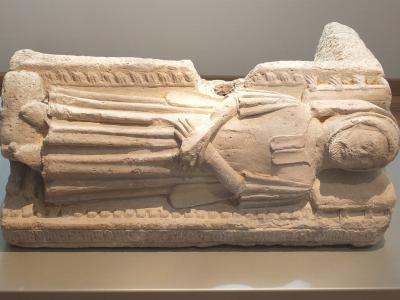
Baroque master’s birthplace in 18th-century mansions
Historic Architecture · Museums & Culture
Espace Malraux
Perpignan cultural center hosting diverse exhibitions
Museums & Culture
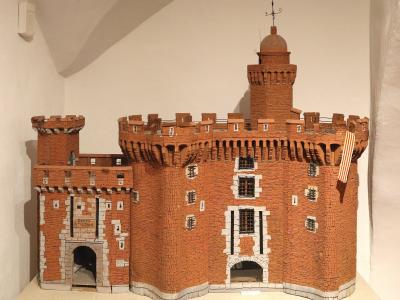
Castillet
14th-century red sandstone gateway and Occitan museum
From €2 Historic Architecture · History Museums
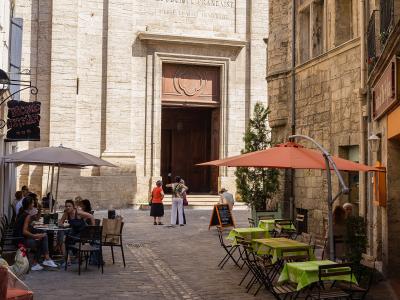
Collégiale Saint-Jean
13th-century Gothic cathedral with Baroque altarpiece
Free Architectural Landmarks · Churches
Questions people ask
Quick Facts
Best Time to Visit
Late April to mid-July and September offer warm, sunny weather and ideal conditions for exploration.