







- Admission
- Free entry
- Hours
- 9:30 AM–12:00 PM and 3:00 PM–6:00 PM
- Where
- Rennes, Brittany
- Directions
- Directions
Rennes is the capital of Brittany, and its cathedral, the Cathédrale Saint-Pierre, stands in the old quarter on Rue de la Monnaie, close to the Portes Mordelaises, a surviving medieval gate. The building is the seat of the archbishop, and it is the most prominent church in the city. It is less ancient than its position suggests. A great fire in 1720 destroyed much of the medieval centre of Rennes, and the cathedral was rebuilt in stages from the late eighteenth century to the middle of the nineteenth, so what you see is largely a product of that period, with older elements incorporated into it.
The west front is the most distinctive feature. It rises in three tiers between two towers, and the lower parts are older and sit beside a more classical upper part, giving the facade a layered, slightly mixed appearance. The architecture combines Neoclassical features with a restrained Gothic Revival, and some elements recall the Renaissance, which is why architectural historians often describe the building as eclectic. Its stone is pale and sober on the outside, and it gives little hint of the richness within.
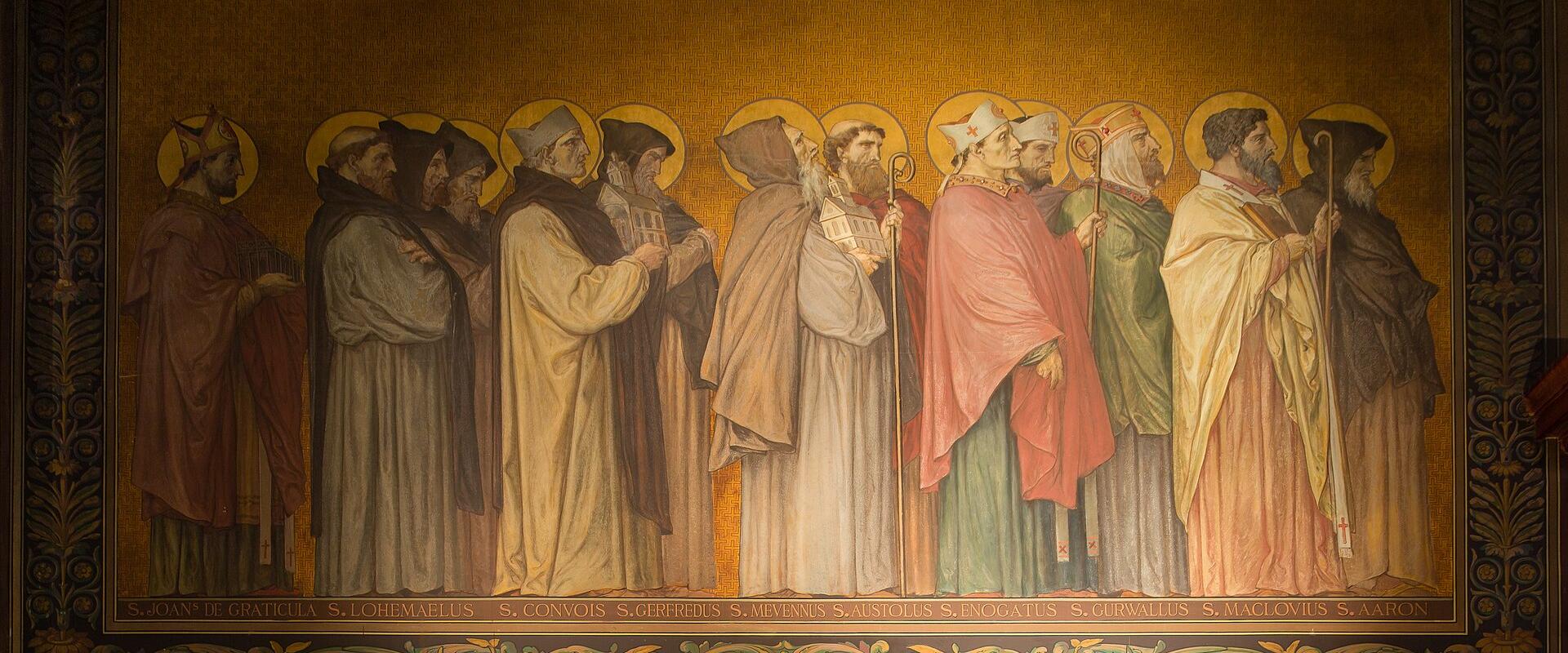
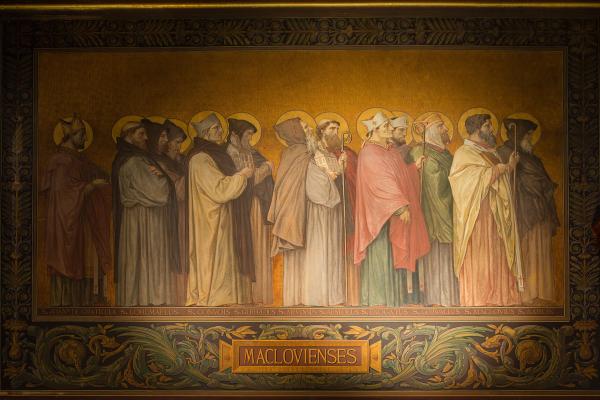
Inside, the decoration is lavish. The nave and aisles are covered with rich gilding, painted ornament and marble, and a large crossing and rotunda give a sense of grandeur that visitors do not expect from the exterior. The cathedral houses a large sixteenth-century altarpiece from Flanders in a side chapel, richly carved and filled with small figures of saints and biblical scenes, and it is one of the treasures of the region. A nineteenth-century organ fills the west end, and concerts take place in the cathedral at certain times of year.
The cathedral is a good starting point for the old town of Rennes. Rue Saint-Michel, popular for its bars and restaurants, and the half-timbered houses around Place Sainte-Anne and along the old streets give an idea of what survived the fire, and the Musée de Bretagne tells the story of the province in the modern Champs Libres cultural centre. The Musée des Beaux-Arts de Rennes holds a good collection of European painting. The Parc du Thabor, a large formal garden on the former grounds of an abbey, is a few minutes' walk from the cathedral and offers lawns, a rose garden, an aviary and a botanical collection, which makes a good place to pause. The banks of the Vilaine river run through the centre of the city.
The cathedral suits architecture lovers, visitors interested in the religious history of Brittany, and anyone seeking a calm place in the middle of the city. Allow around 30 minutes to an hour. Opening hours vary and services take precedence, so check before you go. Entry is free, and guided tours may be available for a fee. Dress modestly and keep noise down, since the cathedral remains a working church.
Categories
More photos coming soon
Hours & Fees
- Open
- 9:30 AM–12:00 PM and 3:00 PM–6:00 PM
- Admission
- Free entry
Hours and prices change, especially out of season. Check with the venue before you go.
Nearby Attractions
Other places to visit in Rennes
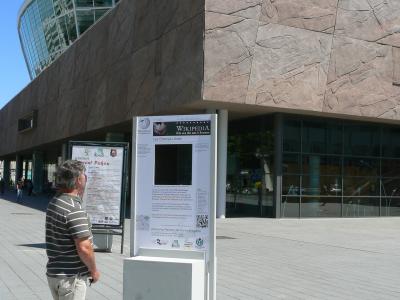
Musée de Bretagne
Social history museum in Champs Libres
Free Cultural Centers · History Museums
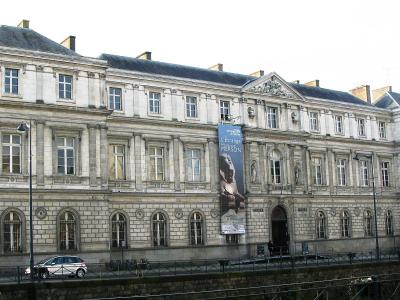
Musée des Beaux-Arts de Rennes
19th-century palace housing ancient to modern art
Historic Architecture · Museums & Culture
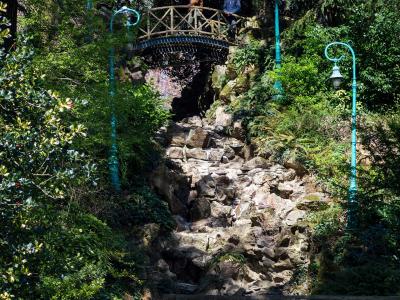
Parc du Thabor
19th-century urban park with botanical gardens
Free Nature & Parks · Gardens
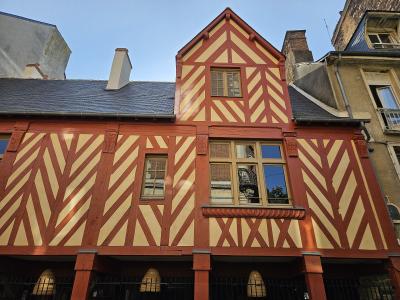
Rue Saint-Michel
Historic street in Rennes' medieval center
Historic Architecture · Urban Exploration
Questions people ask
Quick Facts
Best Time to Visit
Mid-June to mid-September offers warm weather and ideal conditions for outdoor activities and sightseeing.