


Rennes
Capital of Brittany with medieval center and vibrant student life
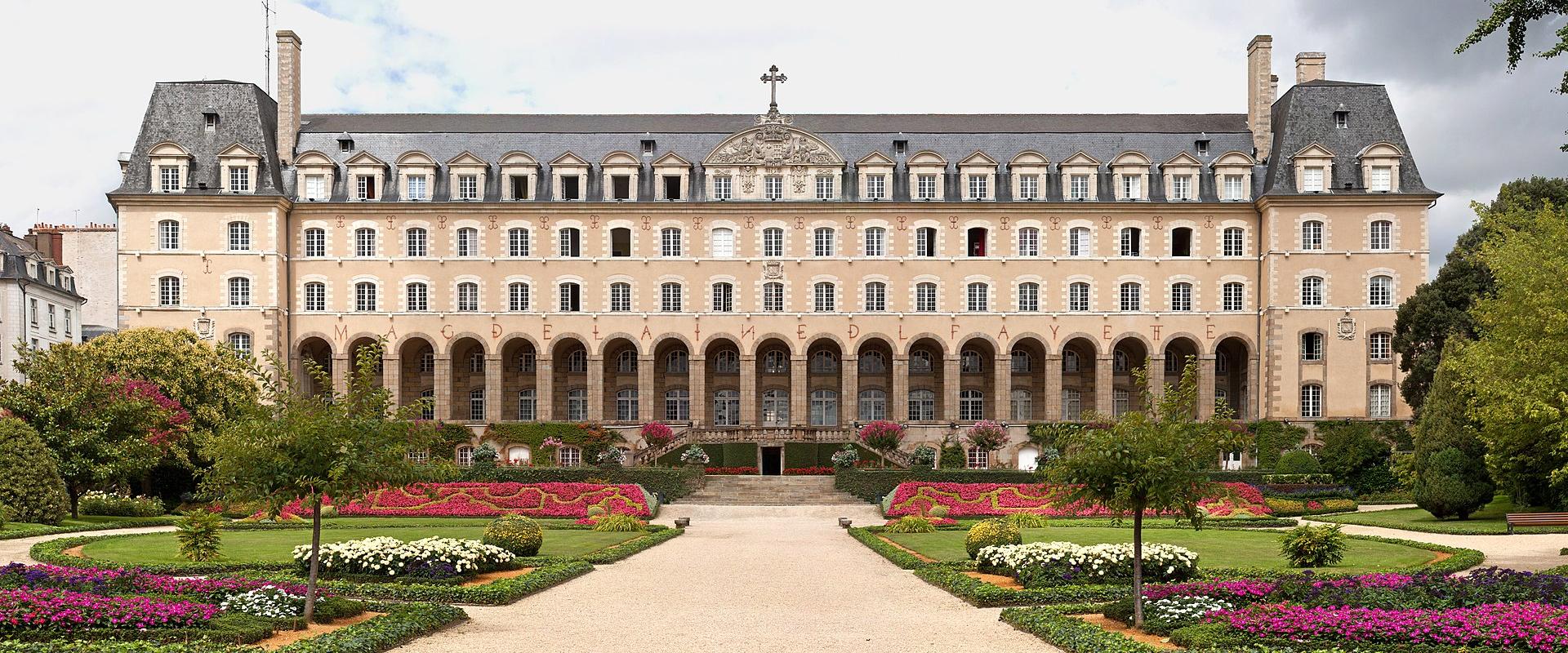
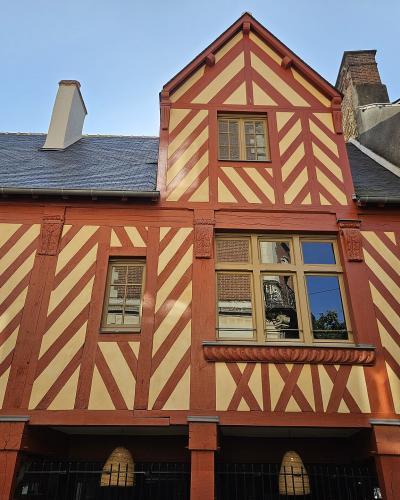
Rennes, situated in the Ille-et-Vilaine department of northwestern France, is a city with a profound historical and cultural identity. Historically, it was the capital of the Duchy of Brittany and later the seat of the Parliament of Brittany, which gave the city its legal and administrative importance. The city's layout reflects its medieval origins, with the historic center (Centre Historique) featuring narrow streets, half-timbered houses, and the iconic Tour Bretagne. Rennes suffered significant damage during World War II, particularly during the bombing of 1943, but was rebuilt with a mix of modern architecture and preserved historic sites. The city has a strong student presence, with the University of Rennes being one of the largest in France, contributing to its youthful and dynamic atmosphere. The city also has a rich Breton cultural heritage, with many festivals and events celebrating local traditions.
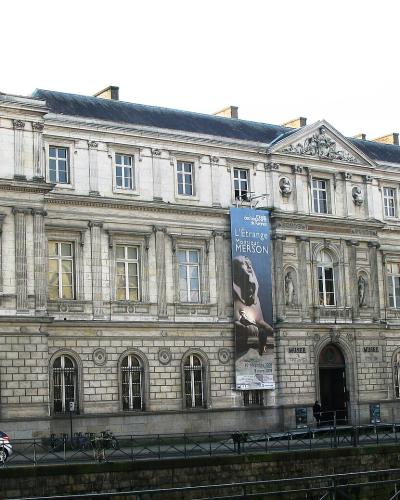
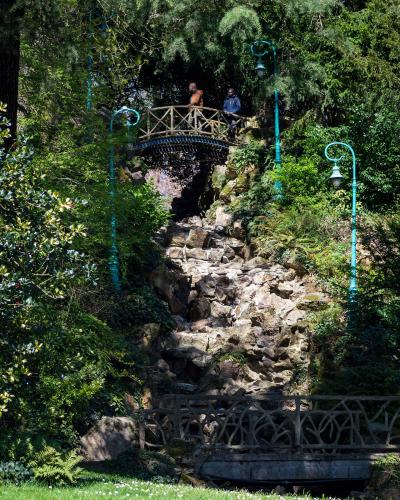
The main attractions in Rennes reflect its medieval and academic heritage. The Parliament of Brittany, a stunning example of 18th-century architecture, is a key landmark. The Rennes Cathedral, a Gothic structure, is another significant religious site. The Parc du Thabor, a beautiful English-style garden, is a popular spot for relaxation. The Marché des Lices, a large open-air market held on Wednesday mornings, is a vibrant place to sample local products. The Centre Historique de Rennes features the Rue Saint-Michel, a pedestrian street lined with shops and cafes. The FRAC Bretagne, a center for contemporary art, is housed in a former convent. The Convent of the Jacobins, now a cultural center, hosts exhibitions and events.
Rennes offers various activities for visitors interested in history, culture, and nature. The city is a starting point for exploring the Brittany coast, with Saint-Malo and Mont Saint-Michel easily accessible by train or car. The surrounding countryside offers hiking and cycling trails, including the GR370 route. The local cuisine features Breton specialties, including crêpes, galettes, cider, and seafood. The city hosts various festivals throughout the year, including the Vieilles Charrues Festival, one of the largest music festivals in Europe. The Rennes Opera House offers performances of opera, ballet, and theater. The nearby town of Fougères is known for its medieval castle.
Getting to Rennes is convenient via train, with TGV services connecting it to Paris, Lyon, and other major French cities. The train station is located in the city center, making it easily accessible. For those traveling by car, Rennes is connected by the A81 and A84 motorways. The best time to visit Rennes is from mid-June to mid-September, when the weather is warm and pleasant, ideal for exploring the outdoor attractions and walking tours. July and August are the warmest months, with average highs around 22°C, but also the busiest. Spring and autumn offer milder weather and fewer crowds, making them suitable for sightseeing and museum visits. Winter is cooler and quieter, offering a serene atmosphere for indoor museum visits. Rennes combines historical depth, artistic richness, and natural beauty, making it a compelling destination for travelers seeking an authentic Breton experience.
Best Time to Visit
Mid-June to mid-September offers warm weather and ideal conditions for outdoor activities and sightseeing.
Did you know?
Interesting, verified facts about Rennes
Rennes Has a Distinct Local Story
HistoryRennes, located in the Ille-et-Vilaine department of the Brittany region, is the historic capital of Brittany and a major university city.
Source: RennesPlan Your Visit to Rennes
Essential travel tips and information for your trip to Rennes.
Suggested Itineraries
One Day in Rennes
1 dayOne day exploring Rennes' historic center and Brittany culture
View ItineraryRennes Cultural Heritage
2 days2-day walking tour of Rennes' historic architecture and culture
View ItineraryExtended Rennes Experience
3 days3-day exploration of Rennes' historic center and markets
View ItineraryTravel Tips
Currency
EUR • Cards widely accepted
Language
French • English in tourist areas
WiFi
Free WiFi in cafes and hotels
Explore Rennes by Interest
Discover attractions and experiences in Rennes organized by your interests and travel preferences.



All attractions in Rennes
Sorted by our recommendation score
Quick Facts
Book your stay
Frequently Asked Questions
More destinations in Brittany
Explore other amazing places in the Brittany region