







- Admission
- Permanent collections free
- Temporary exhibitions may charge
- Hours
- Tuesday to Sunday 10:00 AM – 6:00 PM; Closed on Mondays and holidays
- Where
- Rennes, Brittany
- Directions
- Directions
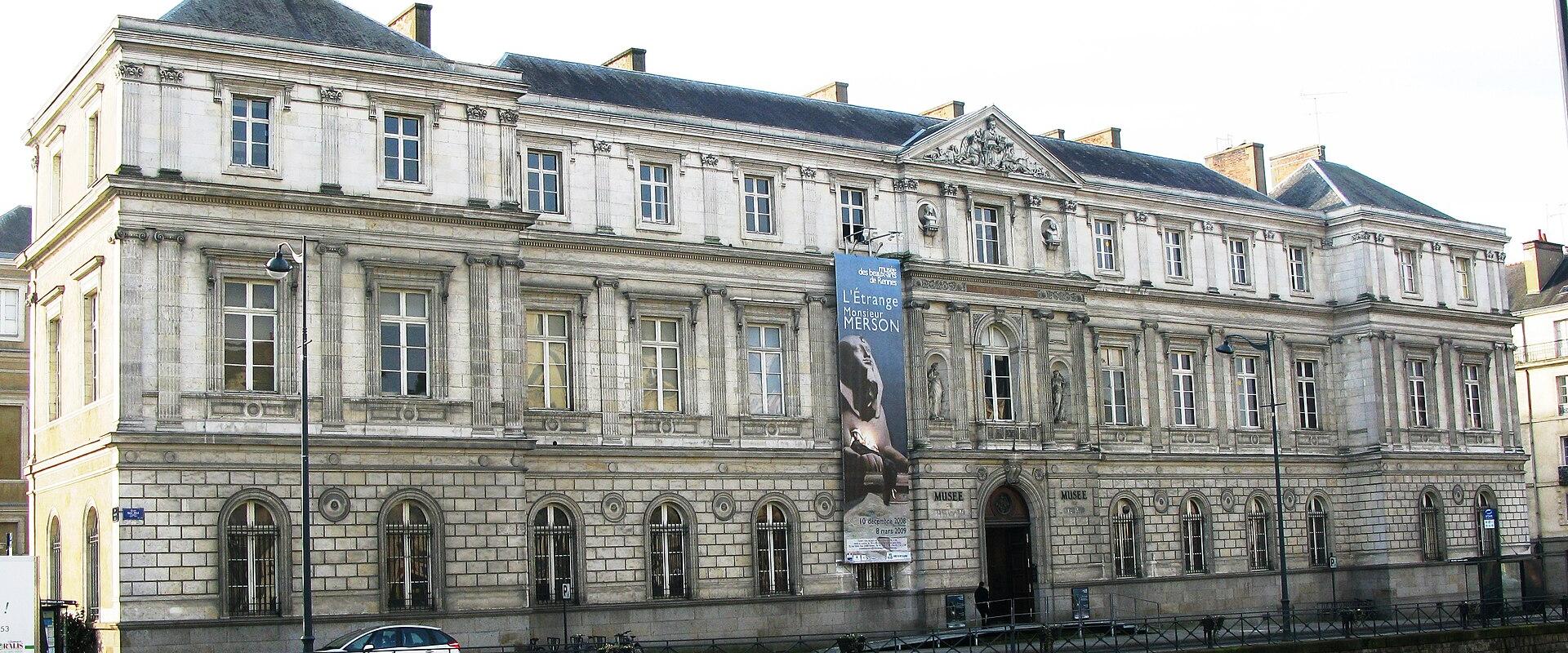
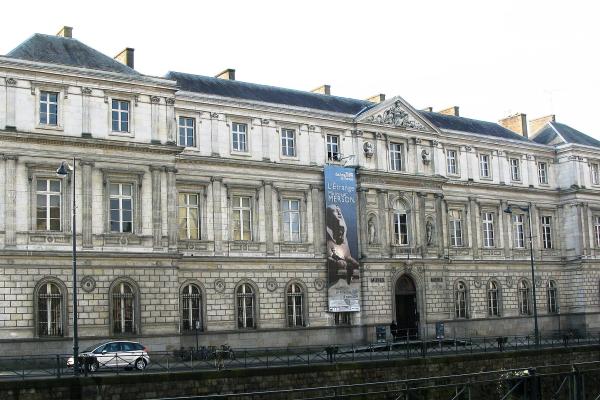
The Musée des Beaux-Arts de Rennes stands on the quay along the Vilaine, in the Palais universitaire, a large mid-nineteenth-century building of pale stone designed to house learning and the arts together. The grand scale of the architecture gives the galleries high ceilings and a sense of dignity, and the collection inside is one of the best in the west of France. It began after the Revolution, in the 1790s, when works seized from churches and aristocratic families were gathered for public display, and it has grown through gifts and purchases ever since.
The range is wide. Egyptian antiquities, Greek vases and Roman bronzes open the collection, setting the stage for a long journey through European painting. The museum is especially strong in the seventeenth century, and two works are famous. Georges de La Tour's The Newborn, a candlelit scene of a mother holding a swaddled baby, is one of the most moving paintings of the French school and often draws visitors to the museum on its own. Rubens's Tiger Hunt is a swirling, violent composition full of men, horses and snarling animals, one of the great hunting pictures of Baroque art. Paolo Veronese's Perseus Freeing Andromeda adds a splash of Venetian colour. Together they make Rennes a worthwhile stop for anyone interested in old masters.
Later rooms show eighteenth- and nineteenth-century French painting, and the museum has a good collection of the Pont-Aven school, with paintings by artists who worked in Brittany around Paul Gauguin in the 1880s and 1890s. The twentieth century is represented by works that include Pablo Picasso, so the visit moves from antiquity all the way to modern art. Drawings and prints are kept in a separate area and shown in rotating displays, and temporary exhibitions add to the permanent galleries.
The museum is close to the centre of Rennes and sits on the river, a short walk from the Cathédrale Saint-Pierre de Rennes, the timber-framed houses of the Rue Saint-Michel and the Musée de Bretagne. The long green space of the Parc du Thabor, one of the city's best public gardens, makes a good place to rest after the galleries, and La Vilaine River Banks offer a pleasant stroll. Rennes was largely rebuilt after a fire in 1720, which explains the stone classical streets.
Plan on one to two hours. It suits art lovers, families and anyone with a wet afternoon to fill. Because ticket arrangements have changed over time, check the museum's website for current prices and opening days before you go.
Categories
More photos coming soon
Hours & Fees
- Open
- Tuesday to Sunday 10:00 AM – 6:00 PM; Closed on Mondays and holidays
- Admission
- Permanent collections free; temporary exhibitions may charge.
Hours and prices change, especially out of season. Check with the venue before you go.
Nearby Attractions
Other places to visit in Rennes
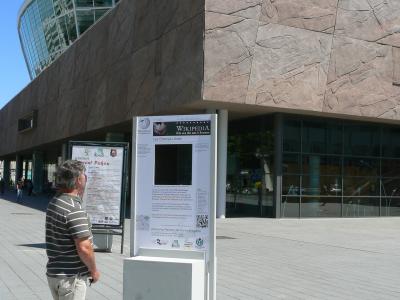
Musée de Bretagne
Social history museum in Champs Libres
Free Cultural Centers · History Museums
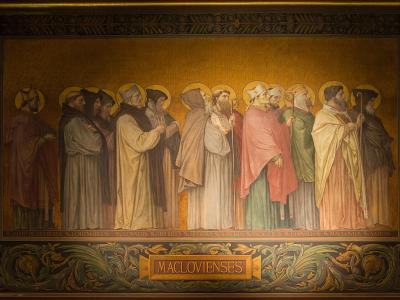
Cathédrale Saint-Pierre de Rennes
Brittany's only Roman-plan cathedral
Free Architectural Landmarks · Churches
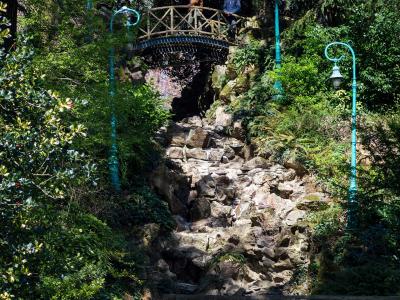
Parc du Thabor
19th-century urban park with botanical gardens
Free Nature & Parks · Gardens
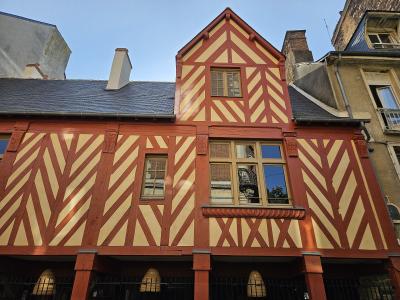
Rue Saint-Michel
Historic street in Rennes' medieval center
Historic Architecture · Urban Exploration
Questions people ask
Quick Facts
Permanent collections free
Temporary exhibitions may charge.
Best Time to Visit
Mid-June to mid-September offers warm weather and ideal conditions for outdoor activities and sightseeing.