







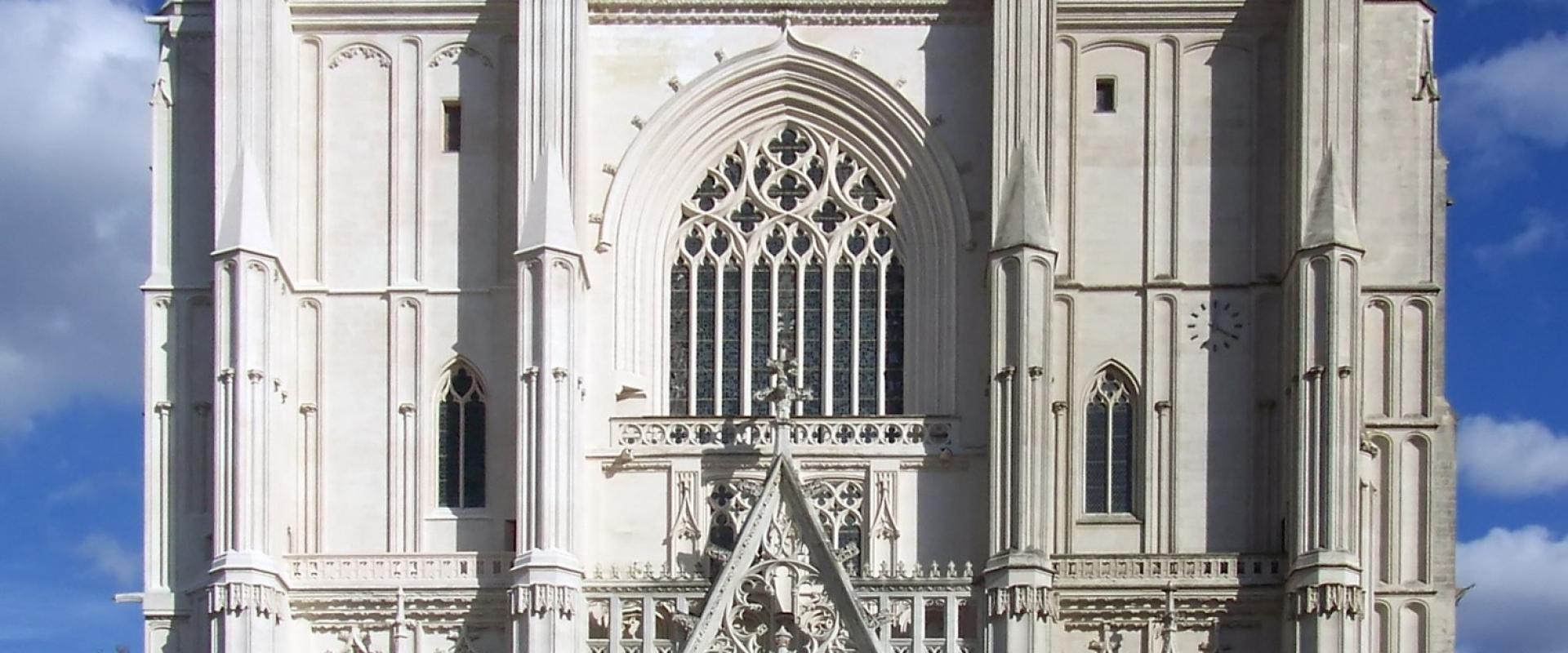
Cathédrale Saint-Pierre-et-Saint-Paul
Renaissance and Gothic cathedral with white Breton stone
- Admission
- Free admission
- Hours
- Daily 9am-7pm; June 29–August 31, 2026: Tue-Sun 10am-7pm; Other source notes 10am-12pm and...
- Where
- Nantes, Pays de la Loire
- Directions
- Directions
The Cathédrale Saint-Pierre-et-Saint-Paul of Nantes stands at the top of a slope just north of the Château des Ducs de Bretagne, and it is one of the tallest and brightest Gothic interiors in France. Work began in 1434 under Duke John V of Brittany and lasted, on and off, for more than four hundred years, finally finishing in the nineteenth century. The long timescale shows in the building, which is Flamboyant Gothic in style but includes Renaissance details, and which has a consistent, harmonious look despite the many hands that worked on it.
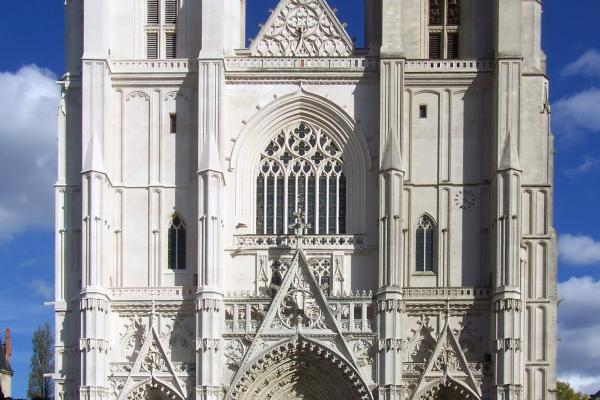
The exterior is fortress-like, with a broad west front pierced by three large portals and flanked by two sturdy towers. The portals have fine carvings, and the stone, a pale local tuffeau from the Loire valley, is the key to the interior's character. Inside, the white stone reflects the light that pours through tall windows, and the nave soars to a vault about thirty-seven metres above the floor, higher than that of Notre-Dame in Paris. Where many Gothic cathedrals feel dark and amber-coloured because of their stained glass, Nantes feels airy and crisp, with a calm clarity that visitors often remark on.
The finest work of art in the cathedral is the tomb of François II, the last independent Duke of Brittany, and his second wife Marguerite de Foix, in the south transept. Made by the sculptor Michel Colombe between 1502 and 1507 for the duke's daughter, Anne of Brittany, it is one of the masterpieces of French Renaissance sculpture. The two effigies lie on a marble slab, guarded by a lion and a greyhound, and at the corners stand four allegorical figures of Justice, Prudence, Temperance and Strength, so lifelike that they seem to belong to a later period. Anne of Brittany, who became queen of France twice, is closely linked with Nantes, and the tomb is the best monument to the duchy's last years of independence.
The cathedral has suffered. In January 1972 a fire destroyed the roof, and a long restoration followed, with the roof and vaults rebuilt in the following years. In July 2020 another fire, which was deliberately set, destroyed the grand organ and damaged some stained glass, and the restoration of the instrument has since been a major project. These events have made the building a symbol of the city's care for its heritage. The cathedral is free to enter, with opening times that vary by season, so check locally.
The cathedral stands close to the Château des Ducs de Bretagne, where the Edict of Nantes was signed in 1598, and the old town offers the Passage Pommeraye, a nineteenth-century covered shopping arcade, the Place Royale with its fountain, and the Musée d'Arts de Nantes. On the Île de Nantes, across the river, Les Machines de l'île offer a very different kind of attraction. The Bouffes Nantaises, a local candy, are sold in the shops.
The cathedral suits architecture lovers, history enthusiasts and anyone who appreciates a light and quiet interior. Allow an hour, or more if you want to study the tomb and the details of the carving. It tends to be less crowded than the great cathedrals of Paris or Chartres, which makes it easy to enjoy in peace.
Categories
More photos coming soon
Hours & Fees
- Open
- Daily 9am-7pm; June 29–August 31, 2026: Tue-Sun 10am-7pm; Other source notes 10am-12pm and 2pm-5pm
- Admission
- Free admission
Hours and prices change, especially out of season. Check with the venue before you go.
Nearby Attractions
Other places to visit in Nantes
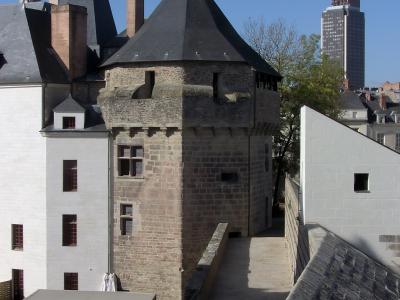
Château des Ducs de Bretagne
15th-century ducal fortress and history museum
Free Castles · Heritage Trails
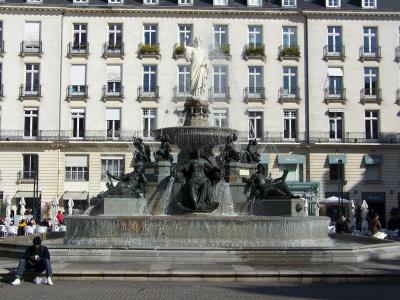
Place Royale
Neoclassical square with 1865 Loire fountain
Free Historic Architecture · City Centers
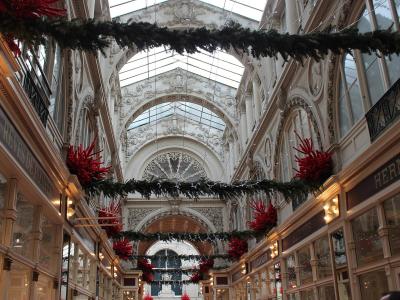
Passage Pommeraye
1843 glass-domed commercial passage with Renaissance scul...
Free Historic Architecture · Urban Exploration
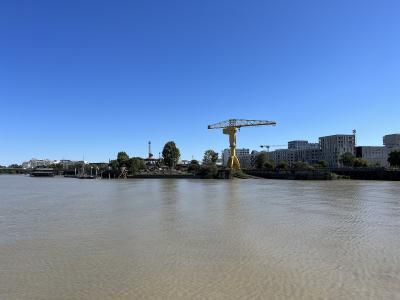
Île de Nantes
Île de Nantes: urban island with contemporary architecture
Historic Architecture · Museums & Culture
Questions people ask
Quick Facts
Best Time to Visit
June to September offers warm weather and ideal conditions for outdoor activities and park exploration.