







- Admission
- €31 standard, €21 preferential (EEA residents)
- Where
- Blois, Centre-Val de Loire
- Directions
- Directions
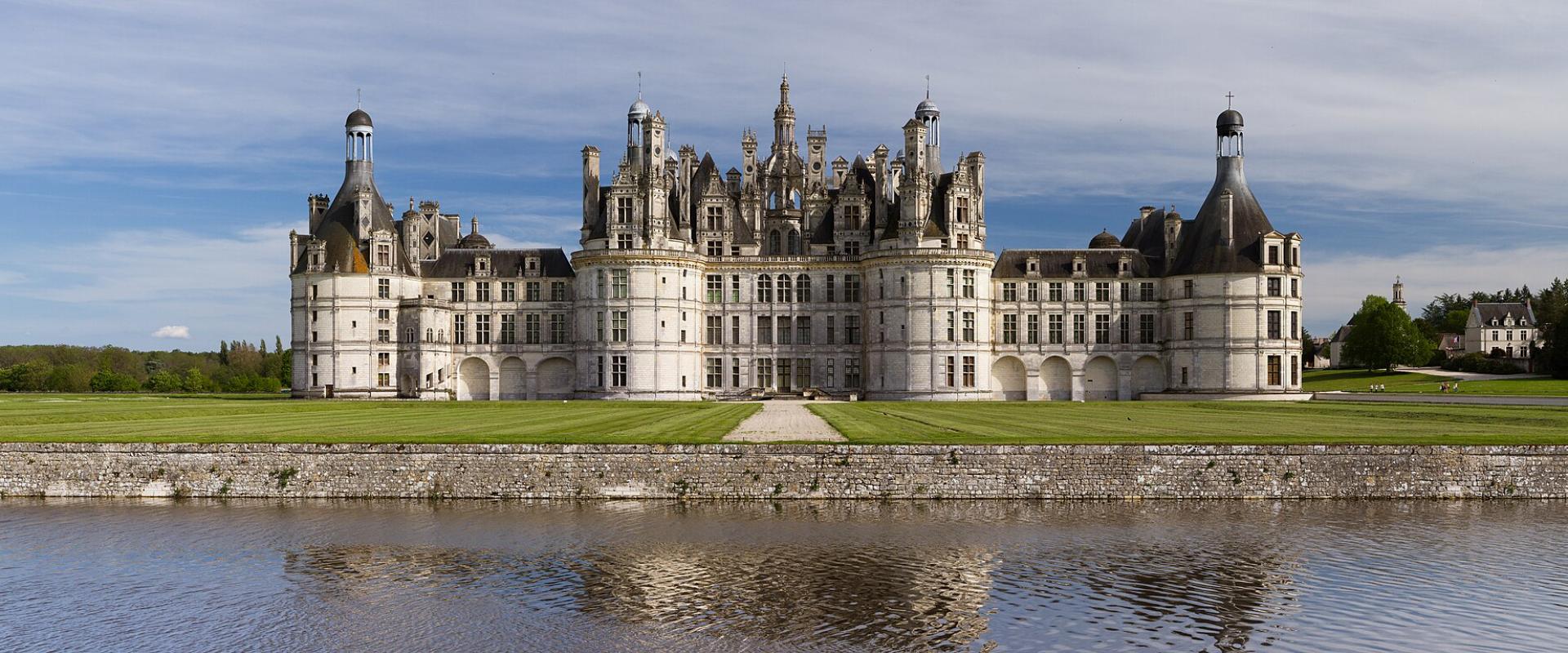
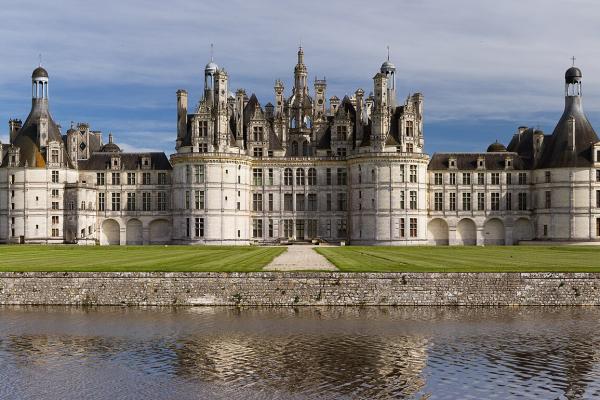
Chambord is the largest of the Loire châteaux, and it stands in the middle of a vast walled forest park rather than in a town, which gives it an unusual and almost unreal setting. François I began it in 1519, soon after his victory at Marignano and his first contact with Italian art, and he meant it as a hunting lodge and a showcase of royal power rather than a permanent home. The work was carried out by hundreds of workers over many years, and the main building was largely complete by the time of the king's death in 1547. The plan is a rectangular keep, with round towers at the corners, set within a larger enclosure, a form that recalls a medieval castle, while the decoration and the roofs are in the new Renaissance style from Italy. The château is said to have 426 rooms, 282 chimneys and 77 staircases.
The famous feature is the central double-helix staircase. Two spiral stairs wind around the same open core, one above the other, so that two people can climb and descend at the same time without meeting, though they can see each other through the openings. Its design is often linked to Leonardo da Vinci, who was living nearby at Amboise at the time the château was being planned, but historians are not certain of his role, and the attribution remains a matter of debate. The staircase rises to the roof terrace, where the most extraordinary sight awaits. The roof is a crowded skyline of chimneys, towers, dormer windows and lanterns, carved with a profusion of ornament, and it is arranged so that courtiers could watch the hunt in the park below, as a kind of stage.
Inside, the rooms are largely bare of furniture, because the château was abandoned for long periods and its contents were sold and dispersed after the Revolution. Some apartments have been refurnished, among them the rooms of Louis XIV, who used Chambord on his visits, and the rooms of the Count of Chambord, the nineteenth-century pretender to the throne. Molière's comedy The Bourgeois Gentleman was first performed here for the king in 1670. The Count of Chambord, who would have been Henri V, gave his name to the château after receiving it, and in 1873 he lost the chance of the throne by refusing to accept the tricolour flag.
The park is as impressive as the château. It covers about 5,400 hectares and is enclosed by a wall some thirty kilometres long, which makes it one of the largest walled forest parks in Europe. It is a nature reserve with deer and wild boar, and the walking and cycling paths through the woods can be followed for a day. The formal French gardens in front of the château have been restored, and the river Cosson runs through the grounds. Events, such as horse shows and concerts, are held in the season.
Plan on three to five hours for a thorough visit, and arrive early or late in the day to avoid the busiest times, particularly on weekends. Opening hours and ticket arrangements change with the season, so check ahead. The château suits architecture lovers, families and anyone touring the Loire valley, and it is easy to combine with Cheverny, which lies a short distance away.
Categories
More photos coming soon
Admission Fees
- Admission
- €31 standard, €21 preferential (EEA residents)
Hours and prices change, especially out of season. Check with the venue before you go.
Nearby Attractions
Other places to visit in Blois
Château de Cheverny
16th-century Loire estate, Tintin model, and family home
From €15.50 Castles · Heritage Trails
Musée des Beaux-Arts de Blois
Fine arts museum in the Royal Château de Blois
Historic Architecture · Museums & Culture
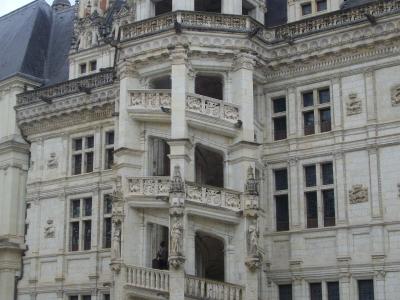
Château de Blois
Royal castle with four architectural styles
Castles · Heritage Trails
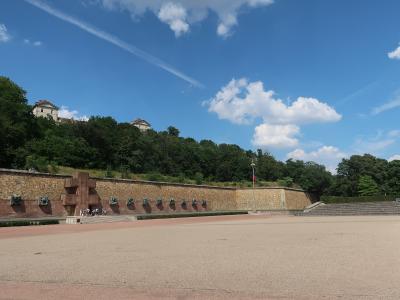
Mémorial de la France Combattante
Memorial honoring French Resistance fighters
Heritage Trails · History Museums
Questions people ask
Quick Facts
€31 standard, €21 preferential (EEA residents)
Best Time to Visit
May to June and September to October offer mild weather and fewer crowds for optimal exploration.