







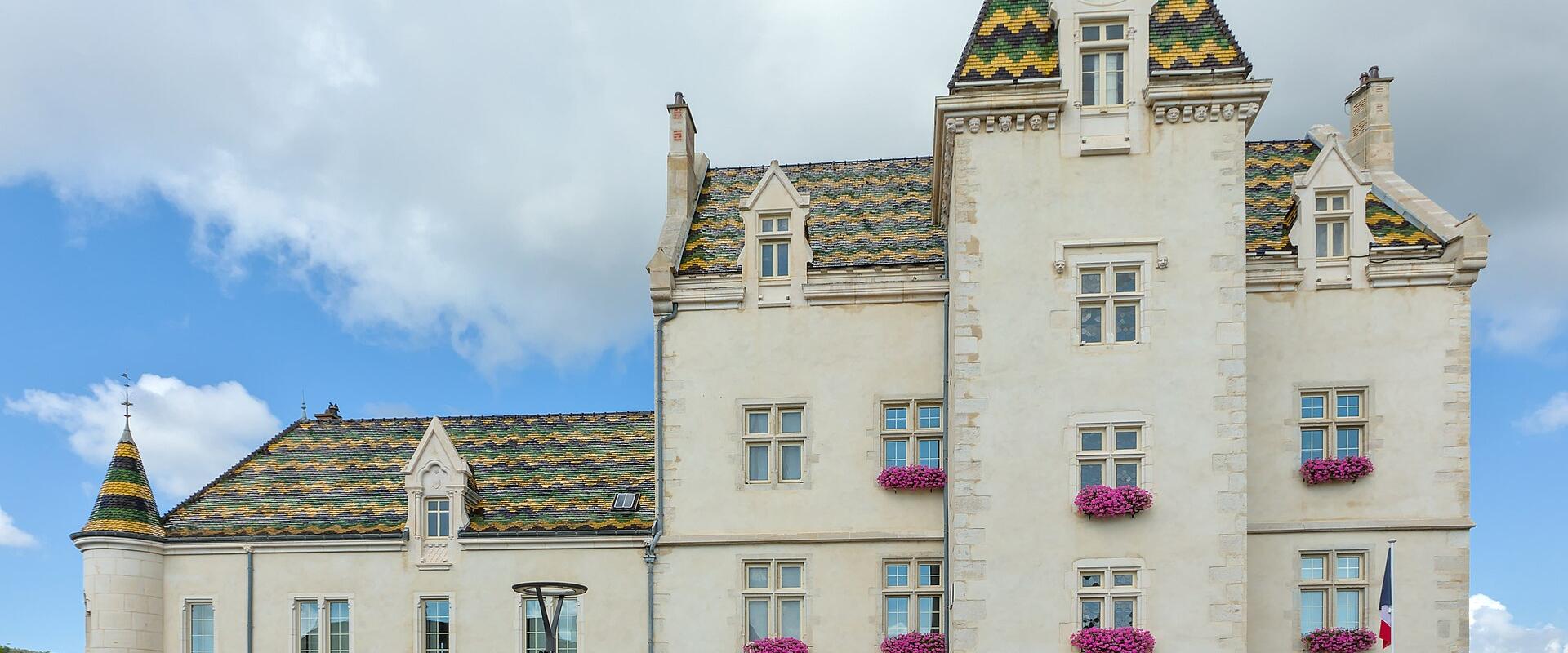
Château de Meursault
1100-year historic estate in Burgundy
- Where
- Meursault, Burgundy
- Directions
- Directions
Meursault is a village on the Côte de Beaune, the southern half of the Côte d'Or, in the middle of the Burgundy wine country, and its château is one of the most imposing estates of the village. The Château de Meursault stands on the Rue du Moulin Foulot, and its buildings and cellars date back many centuries, with roots going to the Middle Ages, which is why the estate describes itself as having more than a thousand years of history. The present château is a grand house with towers and a courtyard, surrounded by a wall, and the cellars below it hold the old vaulted cuveries where the wine is made and aged. The estate is one of the largest in the village, with about sixty-five hectares of vines spread over many plots, which is a very large size for Burgundy, where most domaines are small.
The wines reflect the diversity of the area. Meursault is known above all for its white wines, made from the Chardonnay grape, which are rich, rounded and nutty, with a smooth, buttery character, and among the best white wines in the world. The estate owns vineyards in several appellations and, according to the estate, in eighteen premiers crus and three grands crus, which puts it among the largest holders of top-classed vineyards in the Côte de Beaune. The premiers crus of the village include Perrières, Genevrières and Charmes, which are among the most celebrated, and the estate also makes red wines from Pinot Noir. The plots are managed in the traditional way of Burgundy, with each vineyard making its own wine, so that the character of the soil, the terroir, shows in the glass.
The landscape and the vineyard system have been recognised by UNESCO. In 2015 the climats of Burgundy, the individual vineyard plots with their own names and character, which have been identified and delimited over centuries by monks and growers, were inscribed on the World Heritage List, and the estate takes part in the celebration of that heritage. A visit includes a tour of the château and the cellars, with an explanation of the history and the winemaking, and a tasting of wines from the estate's plots. Visits must be booked in advance, since walk-in visits are not available, and the opening times change by season, with longer hours from May to September and shorter days in winter, when the estate may close for a few months. Check the opening hours and prices on the estate's website or by telephone. The site has parking and charging points for electric cars, and pets are not allowed.
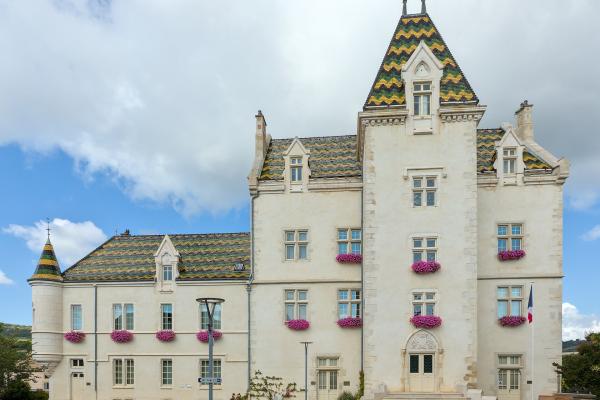
Meursault is a pleasant village to explore, with its town hall, whose roof is covered in the coloured glazed tiles typical of Burgundy, and its church, with a tall spire. In November the village hosts the Paulée de Meursault, a famous lunch where growers bring their best bottles, the third day of the festival known as Les Trois Glorieuses, along with the auction of the Hospices de Beaune and the dinner at the Château du Clos de Vougeot. Beaune is about eight kilometres to the north, and the route of the great wines, the Route des Grands Crus, runs through the villages of the Côte. The château suits wine lovers and visitors to Burgundy.
More photos coming soon
Nearby Attractions
Closest attractions by distance
Musée des Beaux-Arts de Beaune
Housed in the buildings of a former convent
From €4 Museums & Culture
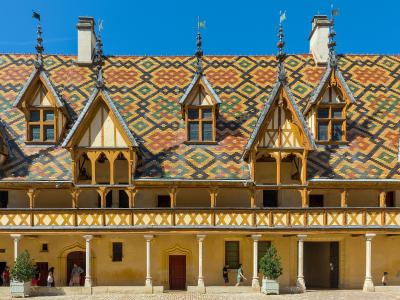
Hospices de Beaune (Hôtel-Dieu)
15th-century Gothic hospital and wine auction site
Guided Experiences · Historic Architecture
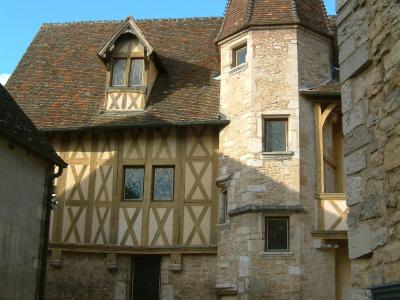
Musée des Vins de Bourgogne
Former ducal hotel showcasing Burgundy wine history
Food & Wine · Historic Architecture
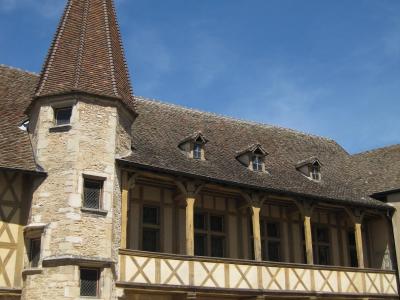
Musée du Vin de Bourgogne
Wine museum in former ducal palace
Food & Wine · Historic Architecture
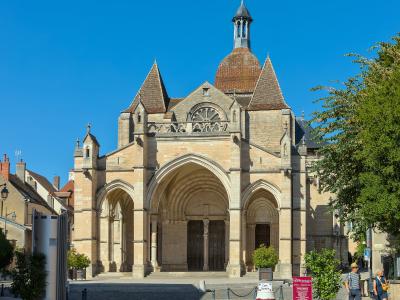
Église Notre-Dame de Beaune
12th-century basilica with rare 15th-century tapestries
Free Historic Architecture · Churches
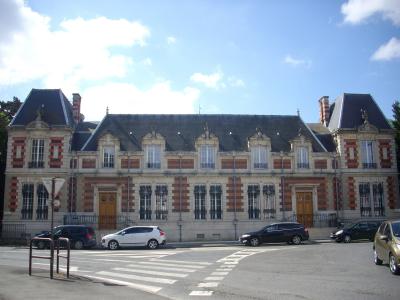
Marché de Chalon
Daily market in historic Chalon-sur-Saône
Free Urban Exploration
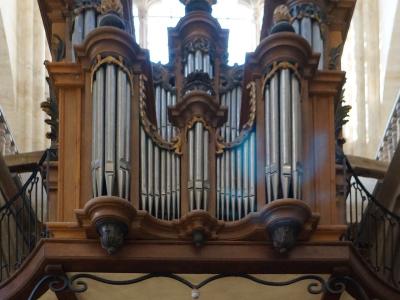
Collégiale Notre-Dame
12th-century collegiate church with 16th-century stained ...
Free Churches
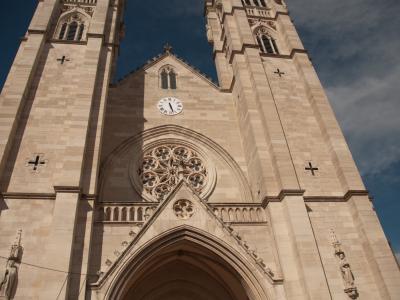
Église Saint-Vincent
Burgundy's only surviving canonical cloister
Historic Architecture · Museums & Culture
Questions people ask
Quick Facts
Best Time to Visit
Mid-June to mid-September offers warm weather and ideal conditions for outdoor activities and sightseeing.