







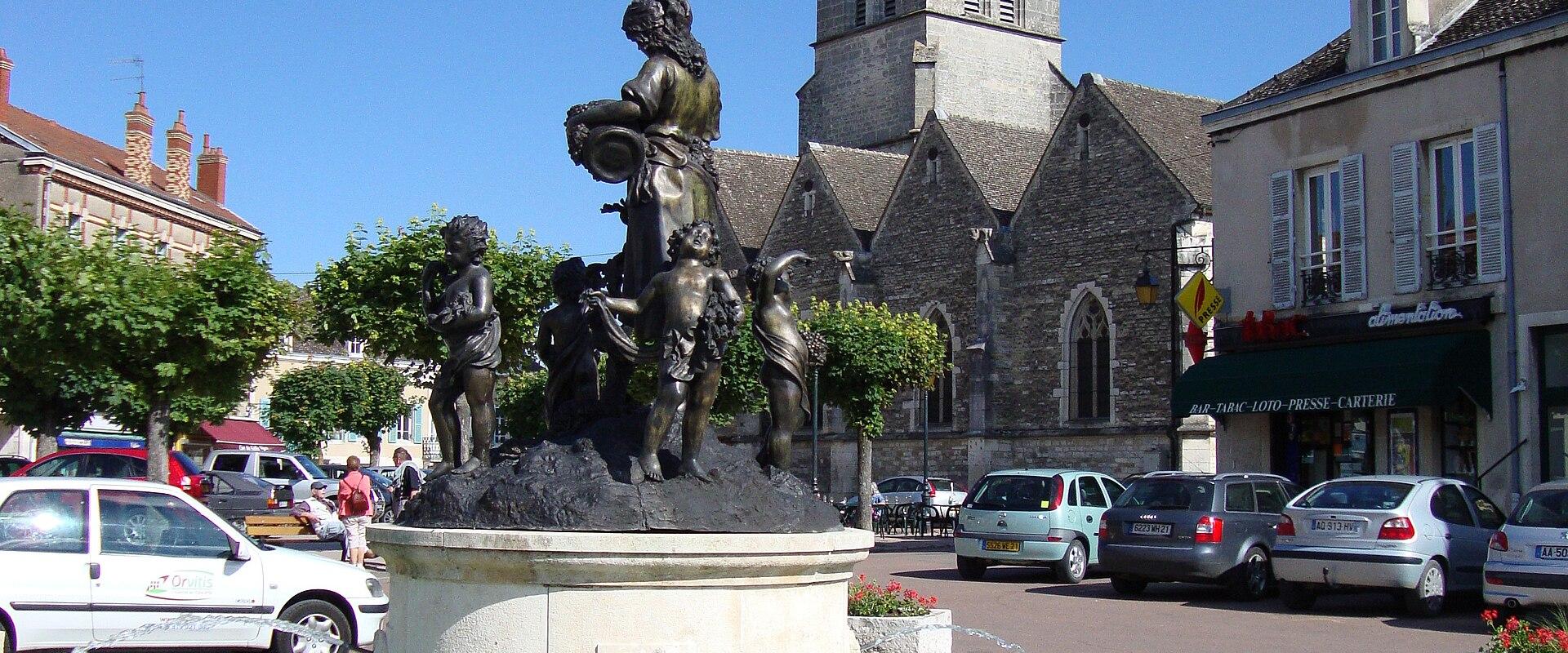
Meursault, situated in the Côte-d'Or department of eastern France, is a village with a profound historical and viticultural identity. Historically, it was a significant settlement in the Duchy of Burgundy, with records dating back to the 12th century. The village has a 12th-century former leper hospital, now a listed monument. Over time, the focus shifted to agriculture, particularly viticulture. Meursault became one of the most celebrated villages in the Côte de Beaune, known for producing some of the finest white wines in the world. The village's layout reflects its rural origins, with narrow streets, stone houses and numerous wine cellars (caves) carved into the limestone. The local economy has traditionally been based on wine production, with many family-owned domaines and cooperatives. The village is a haven for wine lovers and connoisseurs.
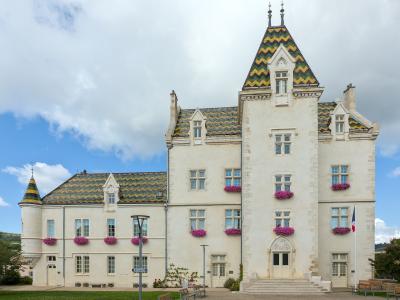
The main attractions in Meursault revolve around its wine heritage and historical sites. The Leprosarium of Saint-Laurent is a key landmark, featuring a chapel and ruins that offer insights into the village's medieval past. The Place de la Mairie is the central square, surrounded by historic buildings and cafes, and the town hall's multicoloured tile roof is a local landmark. The Château de Meursault, now a wine estate, is a notable historic property with vaulted cellars. The surrounding vineyards offer scenic walks and opportunities for wine tasting. Many family domaines welcome visitors, so book tours and tastings ahead. A signposted hill trail above the village gives views of the vineyards, and local wine bars, known as caveaux, give an easy first taste. The nearby village of Puligny-Montrachet is easily accessible for further exploration, as are Volnay and Pommard on the road to Beaune.
Meursault offers various activities for visitors interested in wine, history and nature. Wine tasting is a central activity, with numerous cellars and cooperatives offering tours and tastings of Meursault and other Côte de Beaune wines. The village is a starting point for exploring the Burgundy Wine Route, with marked cycling and hiking trails through the vineyards, and the greenway known as the Voie des Vignes passes close by. The local cuisine features Burgundian specialties, including beef bourguignon, coq au vin and local cheeses, and the gougères, small cheese puffs, are a common companion to a tasting. The village's best-known event is the Paulée, which closes the Trois Glorieuses in November (16 November in 2026), though it is a private, invitation-only dinner. The nearby town of Beaune is easily accessible for additional cultural attractions, including the Hospices de Beaune. The surrounding countryside offers opportunities for horseback riding and golf.
Getting to Meursault is convenient via car, as it is located near Beaune. The village is accessible via the D974 road, the Route des Grands Crus, and by local roads. Meursault has its own small TER train halt, with no ticket office and trains to Dijon in about 35 minutes; check the timetable, as Beaune has far more services. The best time to visit is from mid-June to mid-September, when the weather is warm and pleasant, ideal for exploring the outdoor attractions and wine tasting. July and August are the warmest months, with average highs around 25°C, but also the busiest. Spring and autumn offer milder weather and fewer crowds, making them suitable for sightseeing and wine tasting. Autumn is particularly popular for wine lovers due to the harvest season. Winter is cooler and quieter, offering a serene atmosphere for indoor museum visits.
Best time to visit
Mid-June to mid-September offers warm weather and ideal conditions for outdoor activities and sightseeing.
What to see in Meursault
Our picks first.
Meursault by interest
The same sights, grouped by what you came for.
Did you know?
Checked facts about Meursault, each with its source.
-
Food & Drink
Meursault Has a Wine Tradition
Renowned globally for its exceptional white wines, particularly Chardonnay, the village sits amidst rolling vineyards and historic landscapes.
Source: Meursault wine - Wikipedia
Planning a visit to Meursault
Itineraries that include Meursault
- 1 day One Day in Meursault Cellars, a castle town hall and the grand cru vines of Puligny, by bike or by train from Beaune
- 2 days Meursault Cultural Heritage Two-day cultural tour of Meursault's historic wine village
- 3 days Extended Meursault Experience 3-day self-guided Burgundy wine trail from Dijon
Good to know
- Currency
- EUR
- Language
- French
Quick Facts
Book your stay
Questions people ask
More places in Burgundy
Burgundy
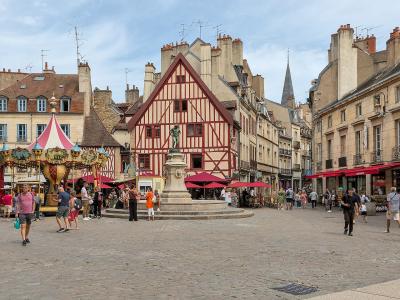
Dijon
Historic Burgundy capital known for ducal palace and mustard
Burgundy
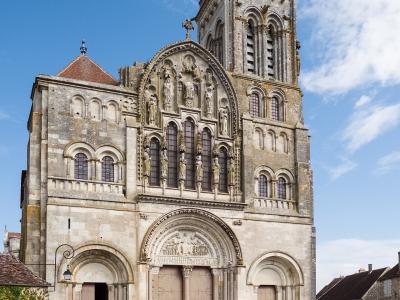
Vezelay
UNESCO hilltop village with Romanesque basilica in Burgundy
Burgundy
Tournus
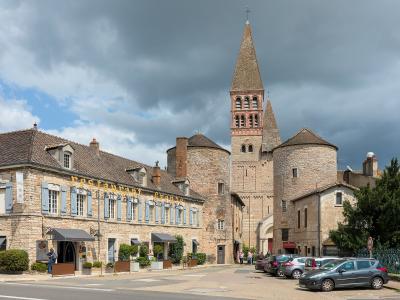
Romanesque abbey town on the Saône River in Burgundy
Burgundy
Burgundy
Historic French region renowned for wine, castles, and cuisine