







- Where
- Marseille, Provence-Alpes-Côte d'Azur
- Directions
- Directions
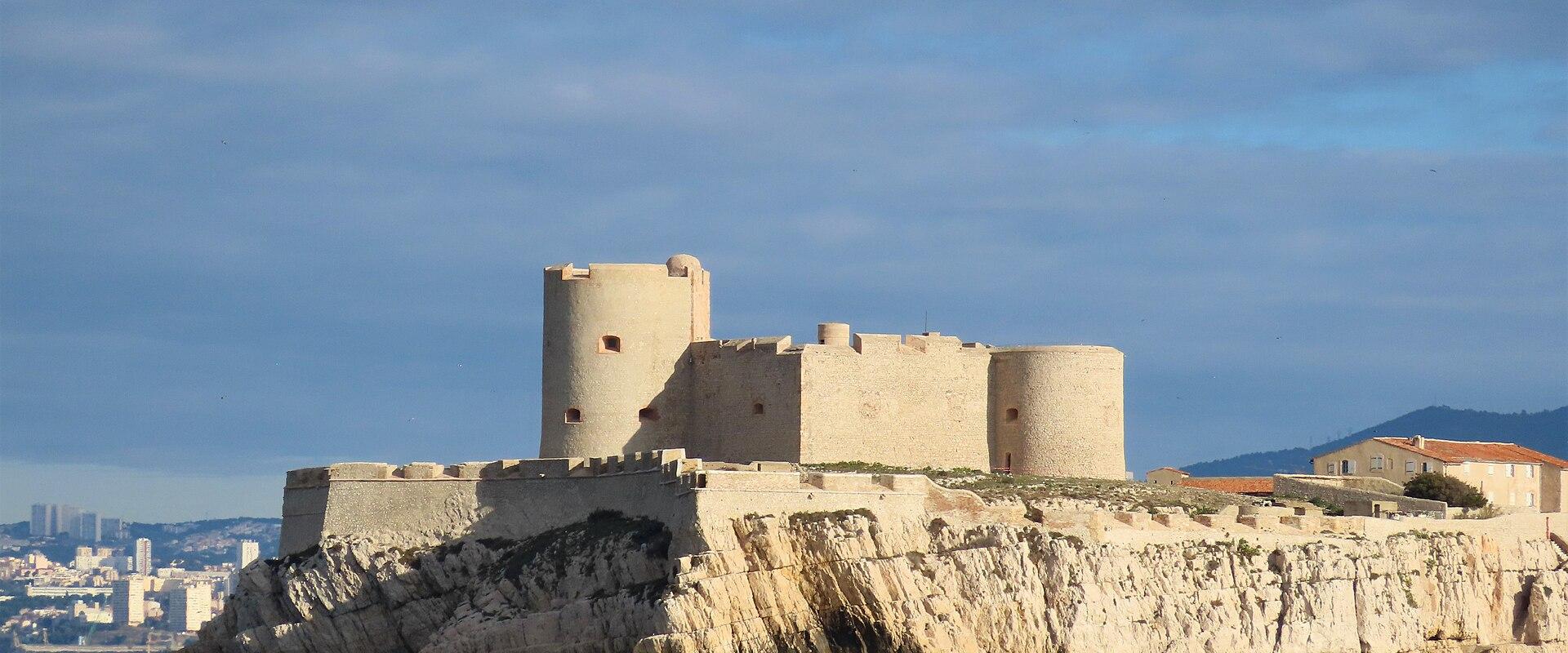
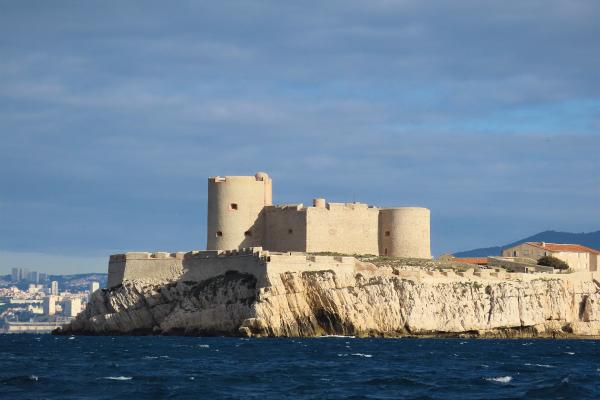
The Château d'If stands on a small, bare limestone island about a mile off the coast of Marseille, in the Frioul archipelago, and it is one of the best-known fortresses in France, thanks to a novel. The island lies at the entrance to the Vieux-Port, and the little fortress was built between 1524 and 1531 on the orders of François I to protect the city from attack by sea. It is a compact, square building with three round towers, and for a few years it served as a guardpost, but it proved so effective at deterring attackers that it was never involved in a battle. Its main use soon became a prison.
The state used the fortress to hold prisoners from the sixteenth century to the nineteenth, particularly Protestants, political opponents and people convicted of various crimes. The prisoners were held in cells, some of them dark and damp, and the more important ones could pay for better conditions. Famous inmates included the revolutionary orator Mirabeau, who was held here in the 1770s, and, after the Paris Commune of 1871, a number of insurgents. The isolation of the place, surrounded by sea with strong currents, made escape almost impossible.
The fortress owes its fame to Alexandre Dumas, who made it the prison of his hero Edmond Dantès in The Count of Monte Cristo, published in 1844. In the novel, Dantès is wrongly imprisoned in the Château d'If, makes friends with the old priest Abbé Faria in the next cell, escapes by taking the place of a corpse sewn into a sack and thrown into the sea, and returns as a rich and vengeful count. The characters are fictional, but visitors can see the cells that are labelled as those of Dantès and Faria, which are great attractions, and the exhibitions on the novel and on the real history of the prison. Scratched graffiti by the real prisoners cover some walls.
A visit has two parts. The boat crossing from the Vieux-Port takes about twenty minutes, and the ticket for it is bought separately from admission to the fortress. The monument can be seen in about forty-five minutes, with a self-guided tour, or an hour and a half if you also walk around the island. Opening times vary by season, with shorter hours in winter, and the castle is closed on Mondays and on a few holidays, and in bad weather the boats may not run, so check before you go. Entry is free on certain days and for young people and some other groups.
The views are worth the trip. From the terraces on the towers you can see the city of Marseille, with the basilica of Notre-Dame de la Garde on its hill, the harbour entrance and the other islands of Frioul, and the white cliffs of the Calanques to the south-east. The island is bare and windy, and there is little shade, so bring a hat and water in summer. The visit suits families, readers of Dumas and anyone interested in history and the sea.
More photos coming soon
Nearby Attractions
Other places to visit in Marseille
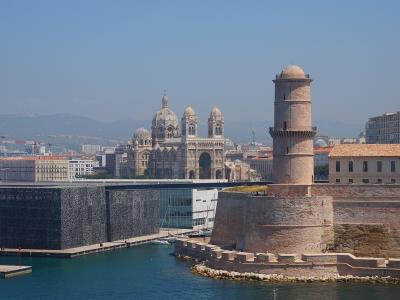
MuCEM (Museum of European and Mediterranean Civilisations)
Anthropological museum in Marseille's historic Fort Saint...
Historic Architecture · Museums & Culture
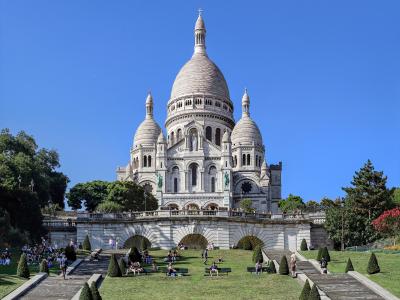
Basilique du Sacré-Cœur
Unfinished 1920 basilica with modernist aesthetic
Free Architectural Landmarks · Churches
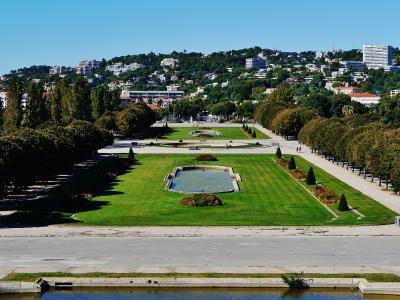
Parc Borély
Municipal park with gardens, lakes, and a castle
Free Gardens · Rivers & Lakes
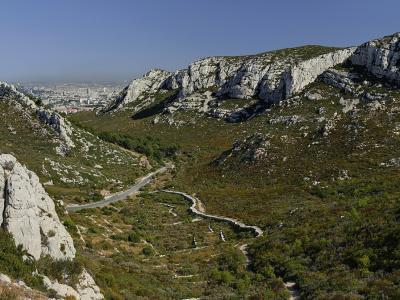
Calanques National Park
Europe's only land, sea, and urban national park
Free Beaches · Cliffs
Questions people ask
Quick Facts
Best Time to Visit
Late June to late August offers warm weather and ideal conditions for beach activities and sightseeing.