







- Where
- Locronan, Brittany
- Directions
- Directions
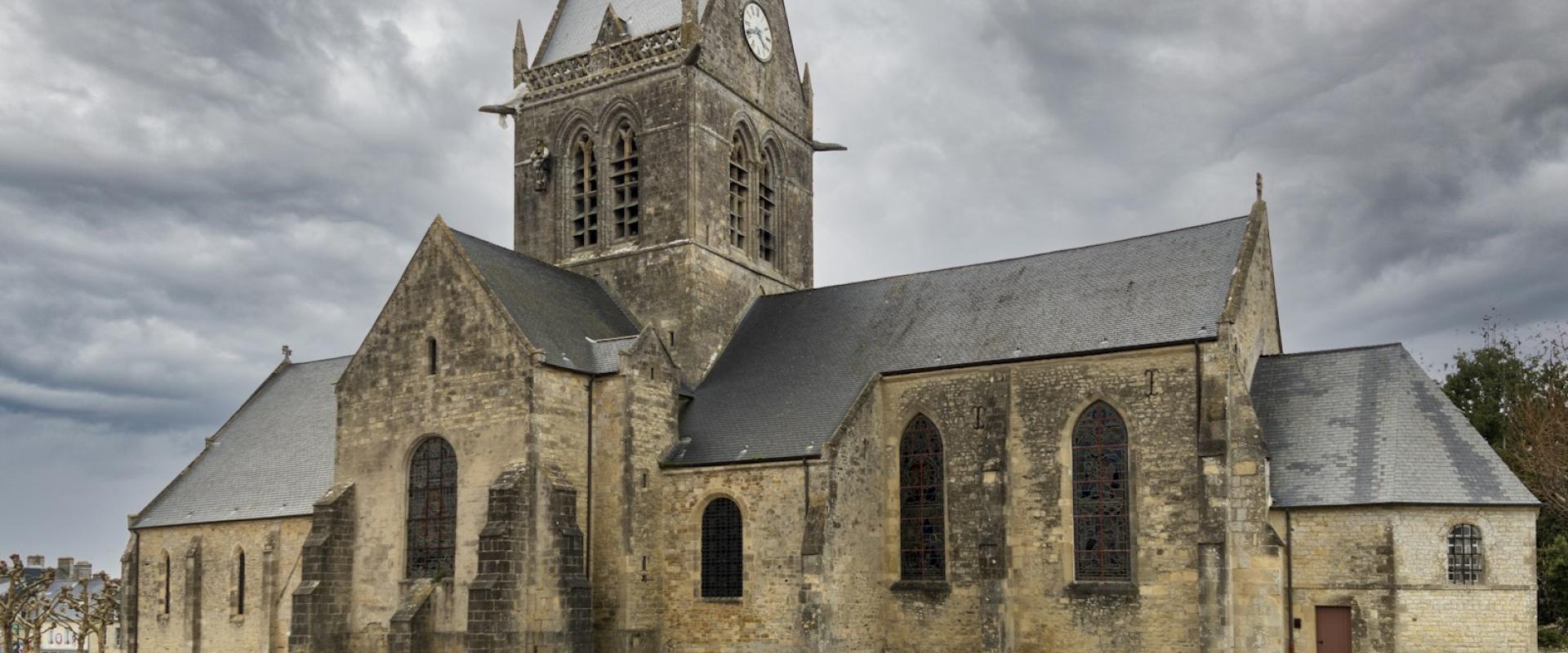
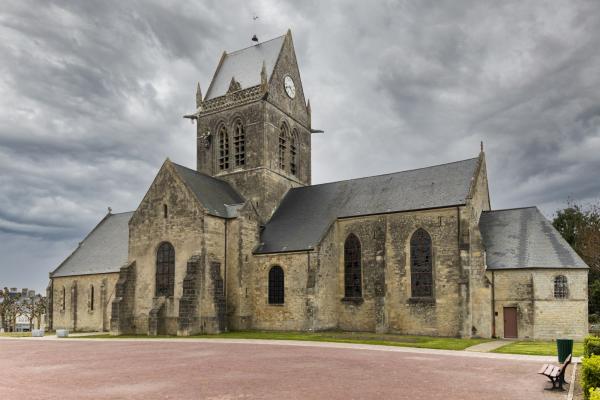
The Collegiate Church of Saint-Ronan stands on the main square of Locronan, a few steps from the well and the old granite houses, and it is the building that gives the village its name and its identity. Locronan means the place of Ronan, after a saint of the early Middle Ages said to have come from Ireland and lived as a hermit in the forest nearby, and the church preserves his tomb. A visit takes only a short time, but it is the best way to understand why the village has been a place of pilgrimage for centuries.
The church was built mostly in the fifteenth century, in the late Gothic style of Brittany, with local granite. It stands on a plan of a nave with aisles and a square tower, and its proportions are balanced and calm, with tall arcades and a plain, strong look. The building reflects the wealth of the village at that time. Locronan prospered from the weaving of sailcloth, which was exported to the shipyards of France, and merchants contributed to the construction of the church and its decoration. In the sixteenth and seventeenth centuries, the town's fortunes were at their highest, and many of the granite houses on the square date from that period.
Inside, the most striking feature is the pulpit, a work of carved and painted wood decorated with scenes from the life of Saint Ronan, set against the stone of the nave. The stained glass is also notable, in particular the great window in the east end, with scenes from the Passion of Christ, which dates from the late fifteenth century and is among the oldest in the region. A statue of Saint Christopher, the patron saint of travellers, is another detail that many visitors seek out. The nave is lit softly, and the atmosphere is serene.
Joined to the church by a doorway is the chapel of Notre-Dame-de-Bonne-Nouvelle, known as the Pénity, built in the early sixteenth century to hold the saint's tomb. The tomb itself is a recumbent figure of the saint carved in dark Kersanton granite, a hard stone quarried near Brest and favoured by Breton sculptors. Beside it, a small sacristy and altars add to the sense of a pilgrimage shrine. The two spaces together form a coherent architectural ensemble, and their connection reflects the importance of the saint's cult.
The church is also the focus of the Troménie, the religious procession that takes place in July around the hill above the village. The Petite Troménie is held each year, and the Grande Troménie, a much longer walk, takes place every six years, when pilgrims carry banners and statues of saints along a route of about twelve kilometres. Outside the church, the village offers crafts workshops, galleries and crêperies, and the Chapelle Saint-Jean and the trails of the surrounding forest give walkers space. The church suits those interested in Breton heritage and religious art, and it is open to visitors during the day, though services take priority.
Categories
More photos coming soon
Nearby Attractions
Other places to visit in Locronan
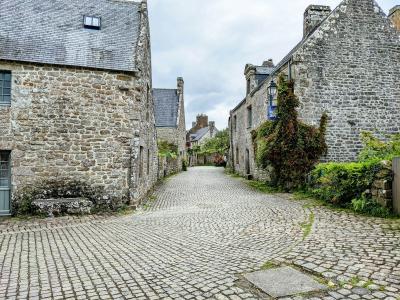
Locronan Village Center
Historic village center in Locronan, France
Guided Experiences · Historic Architecture
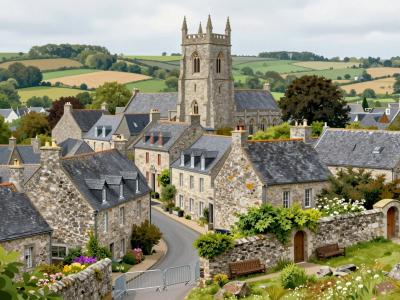
Festival Interceltique de Locronan (Nearby)
Historic Breton village with annual religious procession
Festivals · Historic Towns
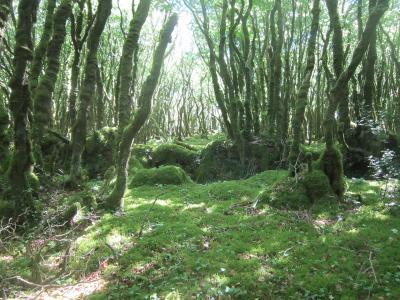
Surrounding Forests and Trails
Granite village trails through Breton forests
Guided Experiences · Nature & Parks
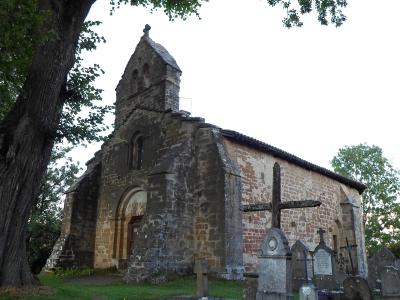
Chapel of Saint-Jean
Chapel in Locronan, Brittany, France
Historic Architecture · Heritage Trails
Questions people ask
Quick Facts
Best Time to Visit
May to September offers mild weather and ideal conditions for outdoor activities and sightseeing.