
Locronan
Medieval granite village on a hill in Finistère, Brittany
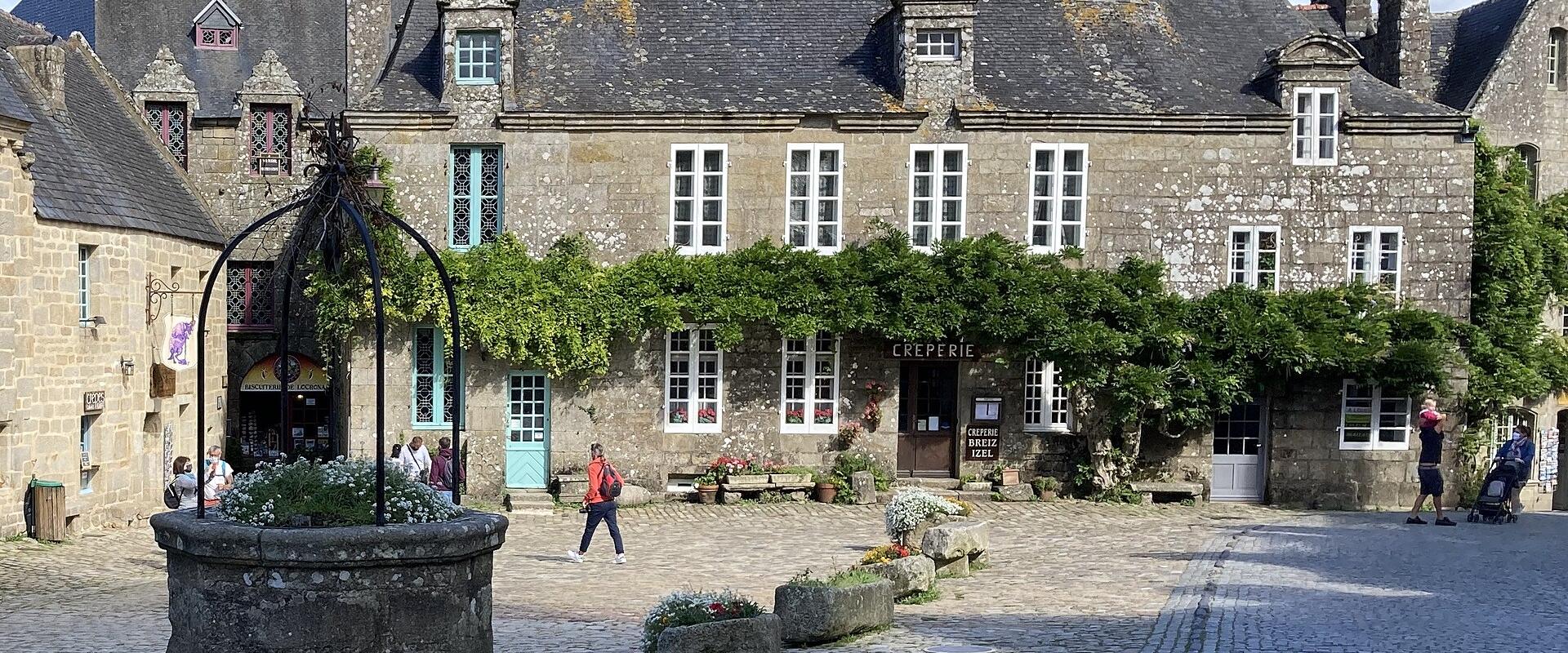
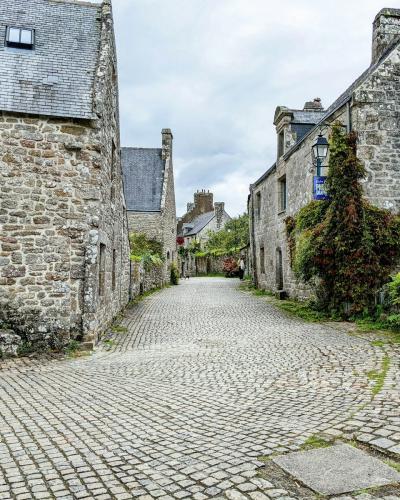
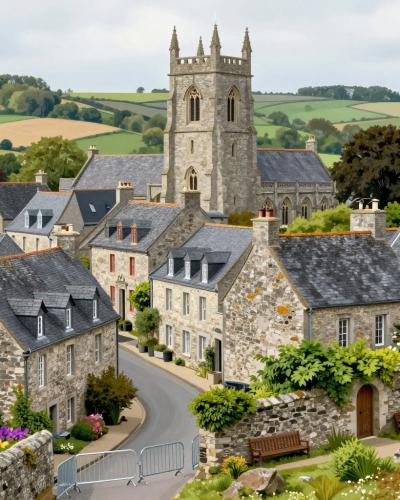
Locronan, situated in the Finistère department of northwestern France, is a village with a profound historical and architectural identity. Historically, it was founded in the 15th century by Saint Ronan, a Breton saint, who established a hermitage on the site of an ancient Celtic sacred place (nemeton). The village grew around the church and became an important pilgrimage site. During the 17th century, Locronan prospered due to the flax and linen trade, which funded the construction of many of its distinctive granite buildings. The village's layout is unique, with a steep, cobbled main street (rue du Kerao) leading up to the church, flanked by uniform granite houses with slate roofs. This architectural harmony is a result of strict building regulations imposed in the 17th century. The village also played a role in the War of the Breton Succession and later in the Chouannerie uprisings. Today, it is a protected heritage site, preserving its medieval character.
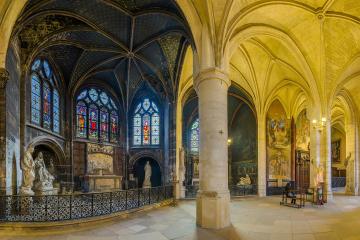
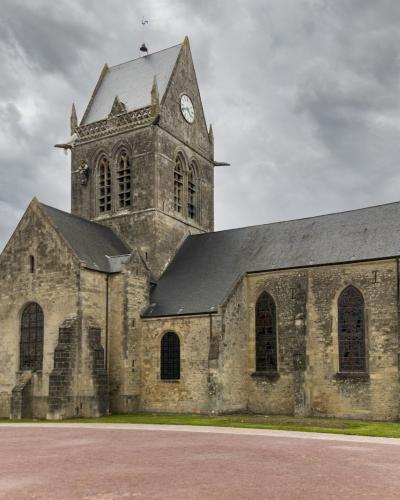
The main attractions in Locronan revolve around its religious and architectural heritage. The Church of Saint-Ronan is the village's centerpiece, featuring a distinctive bell tower and a richly decorated interior. The Chapelle de la Bonne-Nouvelle, located at the top of the village, is a small but significant chapel. The Centre Historique de Locronan provides insights into the village's history and the life of Saint Ronan. The Place du Marché, a small square near the church, is a gathering point for locals and visitors. The village's narrow, winding streets and ancient fountains offer a glimpse into medieval rural life. The surrounding countryside offers scenic views and hiking opportunities.
Locronan offers various activities for visitors interested in history, nature, and culture. The Petite Troménie, a pilgrimage held every two years in July, is a major event, drawing thousands of pilgrims. Walking tours through the village allow visitors to appreciate the architectural details and the steep ascent. The nearby town of Quimper, the capital of Brittany, offers additional cultural attractions, including its cathedral and museums. The local cuisine features Breton specialties, including crêpes, galettes, and cider. The surrounding Finistère region offers opportunities for hiking and cycling, with marked trails through the countryside and along the coast. The nearby beaches of Douarnenez are easily accessible.
Getting to Locronan is convenient via car, as it is located near Quimper. The village is accessible via the D784 and D785 roads. For those traveling by train, the nearest station is in Quimper, from where buses or taxis can reach Locronan. The best time to visit Locronan is from May to September, when the weather is mild and pleasant, ideal for exploring the outdoor attractions and walking tours. July and August are the warmest months, with average highs around 22°C, but also the busiest. Spring and autumn offer milder weather and fewer crowds, making them suitable for sightseeing and museum visits. Winter is cooler and quieter, offering a serene atmosphere for indoor museum visits. Locronan combines historical depth, natural beauty, and cultural richness, making it a compelling destination for travelers seeking an authentic Breton experience.
Best Time to Visit
May to September offers mild weather and ideal conditions for outdoor activities and sightseeing.
Did you know?
Interesting, verified facts about Locronan
Irish Saint Founded Locronan
Notable PersonThe town of Locronan was founded by Saint Ronan, an Irish bishop and hermit who migrated to the region of Cornouaille in the 6th century. He is the eponymous founder of the town, and his feast day is celebrated on June 1st.
Source: external sourcePlan Your Visit to Locronan
Essential travel tips and information for your trip to Locronan.
Suggested Itineraries
Travel Tips
Currency
EUR • Cards widely accepted
Language
French • English in tourist areas
WiFi
Free WiFi in cafes and hotels
Explore Locronan by Interest
Discover attractions and experiences in Locronan organized by your interests and travel preferences.



All attractions in Locronan
Sorted by our recommendation score
Quick Facts
Book your stay
Frequently Asked Questions
More destinations in Brittany
Explore other amazing places in the Brittany region