







- Where
- Locronan, Brittany
- Directions
- Directions
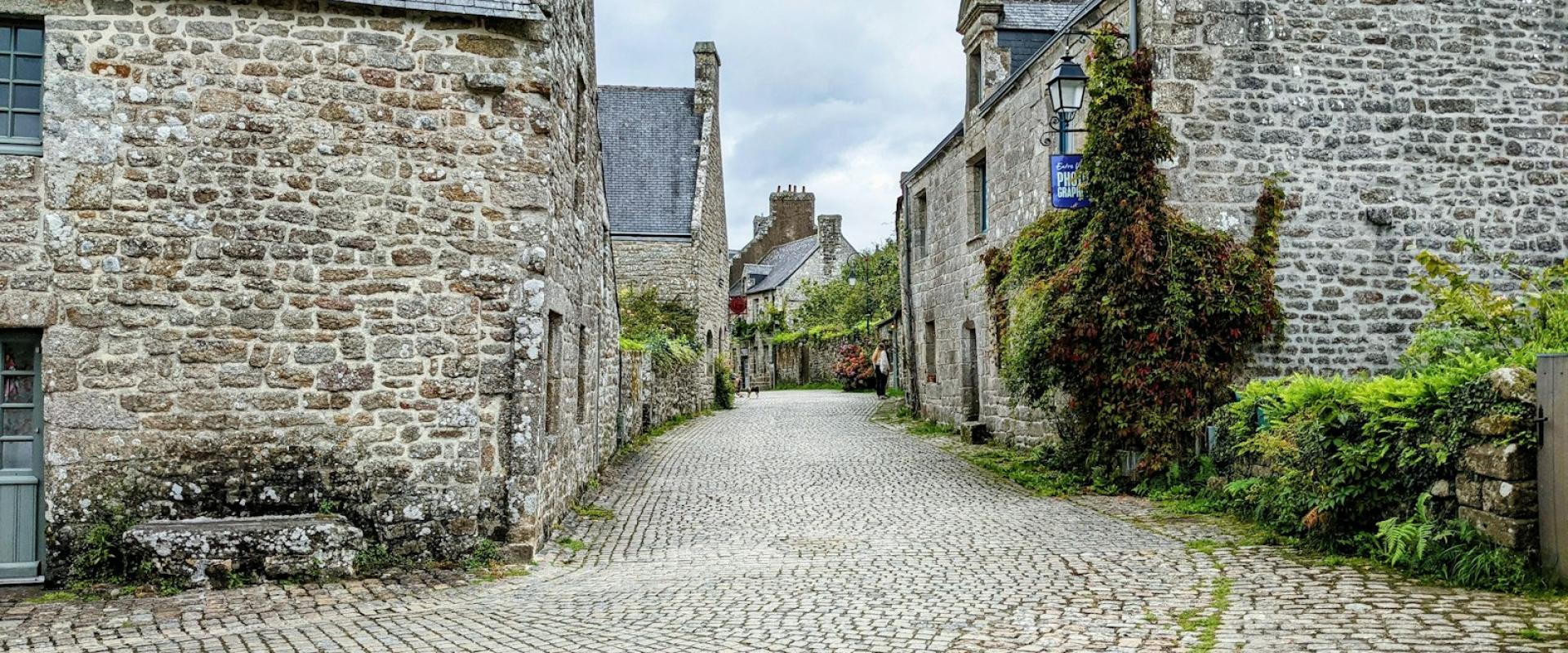
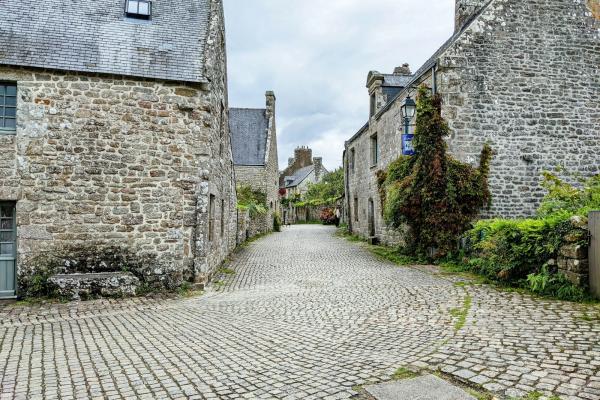
Locronan is a small village in Finistère, in western Brittany, about seventeen kilometres from Quimper, and it is classed among the Petites Cités de Caractère for good reason. The houses around its main square are built in grey granite, many of them dating from the sixteenth and seventeenth centuries, and their steep slate roofs, dormer windows and carved doorways have survived with very little change. The square is paved with granite setts and has a stone well at its centre, and the whole village feels like a film set, which is not far from the truth. Roman Polanski used Locronan as a stand-in for rural England in his 1979 film Tess.
The prosperity that built these houses came from cloth. From the sixteenth to the eighteenth centuries Locronan was a centre for making sailcloth, a strong canvas woven from hemp, which was supplied to the French navy and to the East India companies. Rich merchants built tall stone houses facing the square, and their names and dates are carved above the doors. When sail gave way to steam, the village lost its trade and was left almost unchanged, which is why so much remains today.
The village takes its name from Saint Ronan, a hermit said to have come from Ireland in the early Middle Ages and settled in the forest here. The collegiate church of Saint-Ronan, built in the fifteenth century in the late Gothic style, stands on one side of the square, and next to it is the chapel of the Pénity, a smaller chapel that holds the saint's tomb. Every year a procession called the Petite Troménie follows a path of about six kilometres around the village, and every six years the Grande Troménie, a procession of around twelve kilometres, draws large crowds of pilgrims, who walk barefoot in some cases, with banners and relics, in one of Brittany's oldest religious traditions.
Today the old houses are occupied by cafés, crêperies, craft shops and small art galleries. Potters, weavers, jewellers and painters sell their work, and the crêperies serve buckwheat galettes and sweet crêpes with Breton cider. The village is compact enough to see in an hour or two, though the cafés make it easy to linger longer. It is busiest in summer, so a visit in the morning, in the evening or off-season gives a quieter experience and better light on the stone.
A path leads up to the Mont de Locronan, a hill above the village, from which the view spreads across the Bay of Douarnenez and the surrounding woods and fields, and the forest trails around the village offer pleasant walks. The village is also an easy trip from Quimper and the coast. It suits couples, photographers, families and anyone interested in Breton history and crafts.
More photos coming soon
Nearby Attractions
Other places to visit in Locronan
Festival Interceltique de Locronan (Nearby)
Historic Breton village with annual religious procession
Festivals · Historic Towns
Surrounding Forests and Trails
Granite village trails through Breton forests
Guided Experiences · Nature & Parks
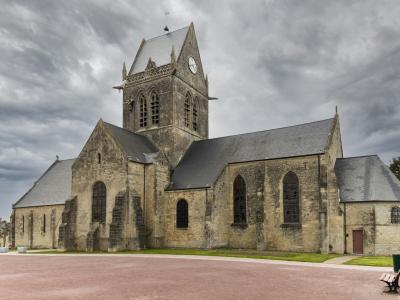
Collegiate Church of Saint-Ronan
15th-century church with a green wooden pulpit
Churches · Heritage Trails
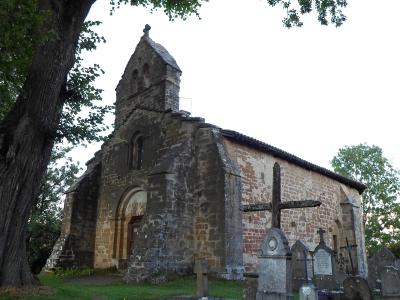
Chapel of Saint-Jean
Chapel in Locronan, Brittany, France
Historic Architecture · Heritage Trails
Questions people ask
Quick Facts
Best Time to Visit
May to September offers mild weather and ideal conditions for outdoor activities and sightseeing.