







- Admission
- Free
- Hours
- Open daily 08:30-18:00 (October to March) and 08:30-20:00 (April to September)
- Where
- Nice, Provence-Alpes-Côte d'Azur
- Directions
- Directions
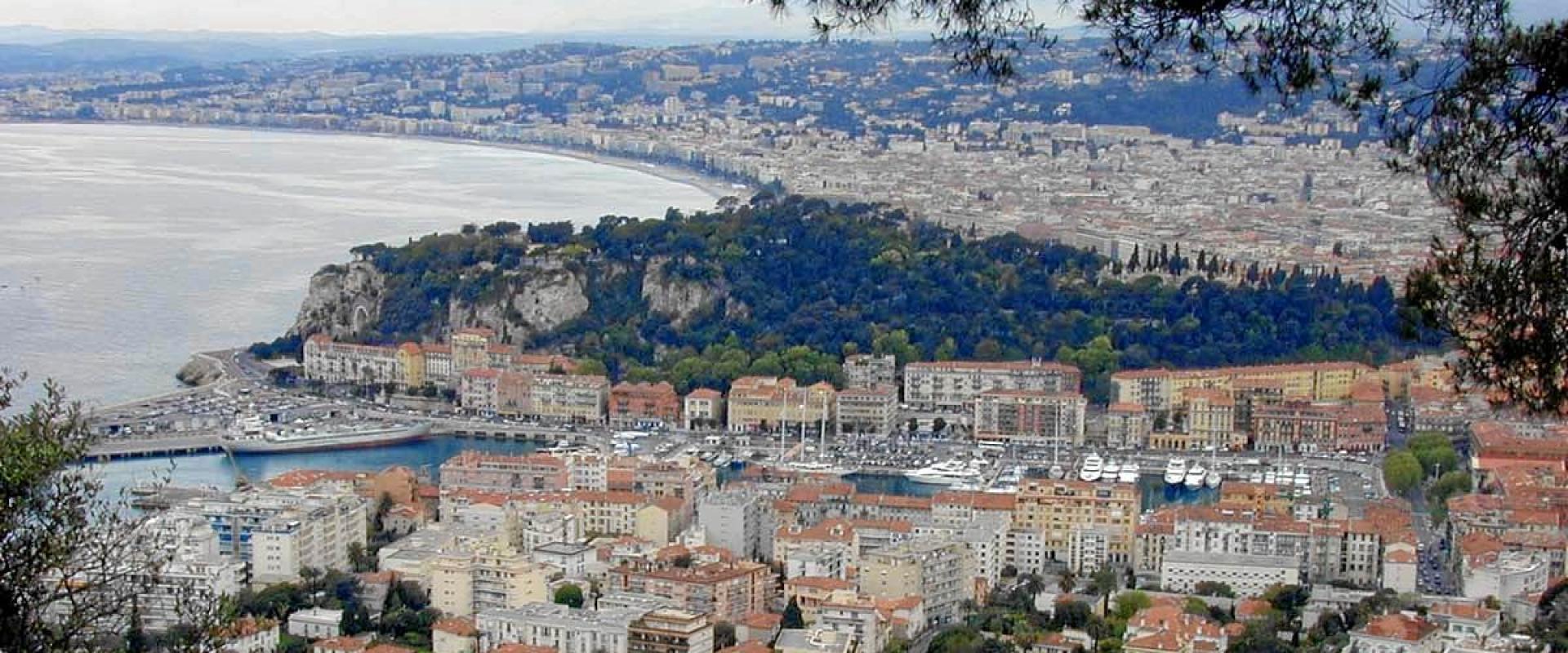
The Colline du Château, Castle Hill, is the rocky outcrop at the eastern end of the seafront of Nice, and the park on top of it is the best place to see the shape of the city. The hill rises 92 metres above the sea, with sheer slopes on the side facing the bay, and it covers about nineteen hectares. There is no longer a castle on it, the fortress having been dismantled in the early eighteenth century, but the name has stuck, and the hill is among the most visited spots in Nice, free and open every day from the early morning until the evening, with longer hours in summer than in winter.
There are several ways up. A free lift, near the Tour Bellanda at the end of the Quai des États-Unis, carries visitors to the summit in a minute, and it is the easiest way for families with pushchairs and for people with limited mobility. Walkers can take one of the paths and flights of steps that climb through the pines, starting from the old town near the Rue Rossetti or from the port side, and the climb takes about ten or fifteen minutes. Along the way, small terraces offer glimpses of the roofs of the old town, and the route is shaded by pine and olive trees, some of them a hundred years old or more.
The history of the hill goes back to the origins of the city. In the fourth century BC Greek traders from Marseille founded a colony called Nikaia on this rock, naming it for Nike, the goddess of victory, and the hill remained the fortified centre of the town through the Roman and medieval periods. In 1543 the town was besieged by a Franco-Ottoman fleet under Barbarossa, and according to a popular legend, a washerwoman named Catherine Ségurane rallied the defenders and drove back the attackers, an event that the city remembers with a street and a plaque. The castle was eventually destroyed in 1706 on the orders of Louis XIV after the French took Nice, so that it could not be used by the Duchy of Savoy, and the hill was left bare for a century before it was laid out as a garden.
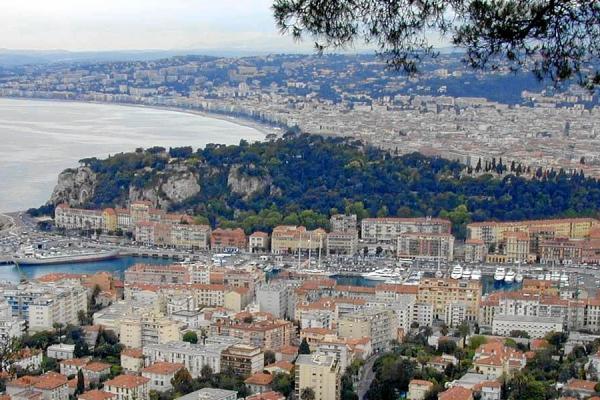
At the top, the viewing terraces give a sweeping panorama. To the west the Baie des Anges curves away along the Promenade des Anglais toward the airport, and to the east the harbour of Port Lympia is full of ferries and yachts, with the hills rising behind it. Below you stretch the ochre and terracotta roofs of the old town, and on a clear day the Alps are visible in the distance. Sunrise and sunset are the best times. Other features of the park include a large artificial waterfall of the nineteenth century, children's playgrounds, picnic areas, a café and the ruins of the old cathedral, as well as the Bellanda tower with its terrace.
A visit takes about an hour or two. The hill adjoins the old town, the Cours Saleya flower market and the Cathédrale Saint-Nicolas, and the museums of Matisse, Chagall and modern art are a short bus ride away. It suits families, walkers and photographers.
Categories
More photos coming soon
Hours & Fees
- Open
- Open daily 08:30-18:00 (October to March) and 08:30-20:00 (April to September)
- Admission
- Free
Hours and prices change, especially out of season. Check with the venue before you go.
Nearby Attractions
Other places to visit in Nice
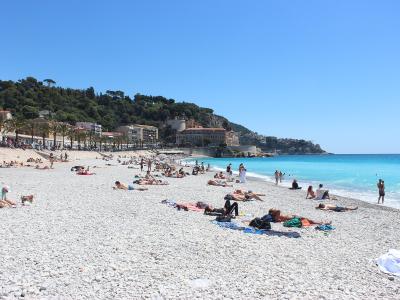
Promenade des Anglais
7km palm-lined coastal boulevard in Nice
Coastal Promenades · Heritage Trails
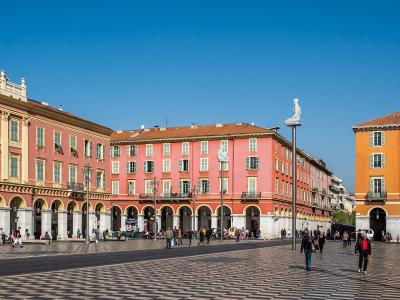
Place Masséna
Black-and-white lattice square with Plensa sculptures
Free Historic Architecture · City Centers
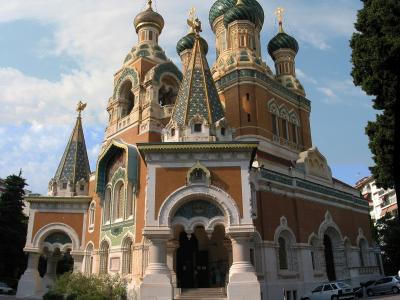
Cathédrale Saint-Nicolas
Russian Orthodox cathedral built by Tsar Nicholas II
Free Architectural Landmarks · Churches

Musée d'Art Moderne et d'Art Contemporain (MAMAC)
Modern and contemporary art in Nice
Museums & Culture
Questions people ask
Quick Facts
Best Time to Visit
May to June and September to October offer warm weather and fewer crowds for optimal exploration.