







- Where
- Deauville, Normandy
- Directions
- Directions
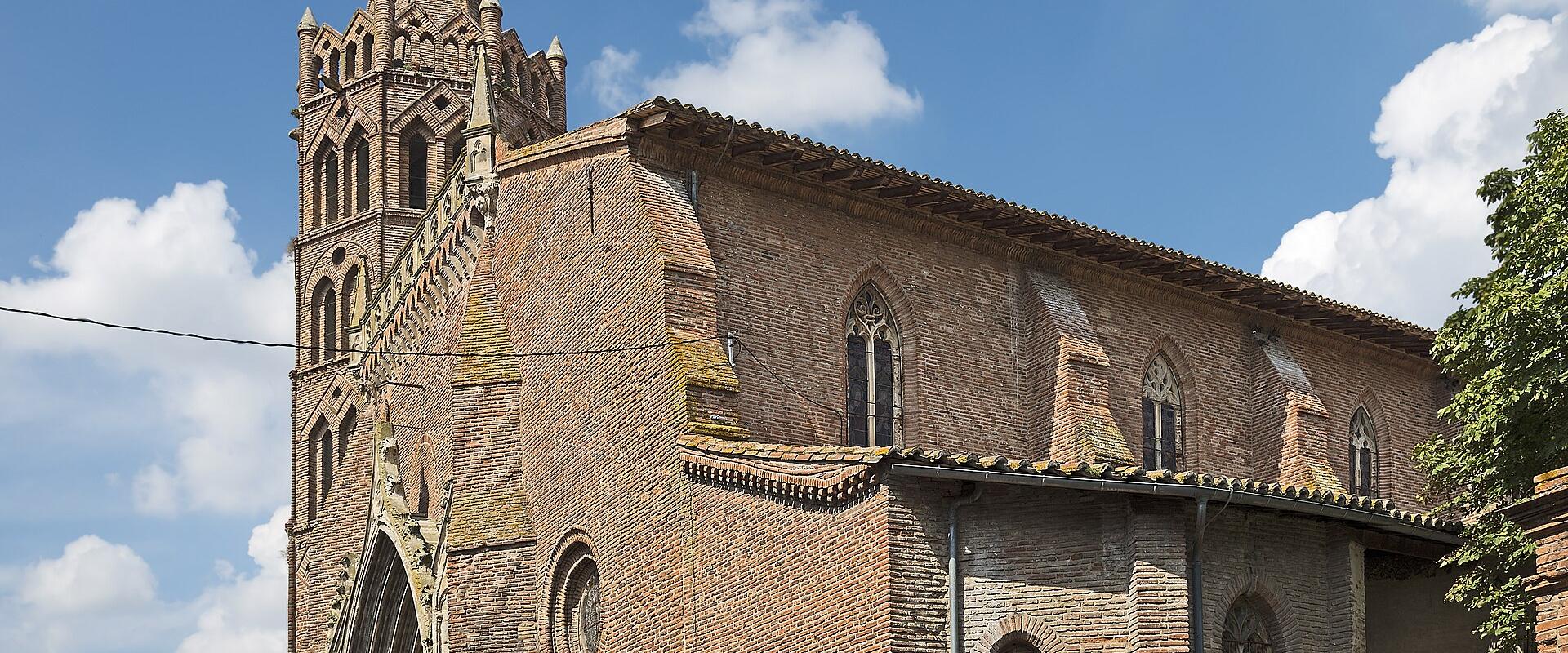
Deauville is a seaside resort on the coast of the Pays d'Auge, in Normandy, created in the nineteenth century and best known for its beach, its boardwalk, its racecourse and its casino. It may not seem at first a place for churches, but like every French town it has its places of worship, and a visit to one of them offers a calm contrast to the glamour of the seafront. A church in a resort of this kind tells a different story from the great cathedrals of the cities, being a parish church for a community that grew rapidly in the second half of the nineteenth century as the resort developed.
The history of Deauville explains this. Until the 1860s, it was a small village in the marshes beside the Touques river, with a few farms and fishermen's cottages, while Trouville, on the opposite bank, was a fashionable bathing station. The Duc de Morny, half-brother of Napoleon III, saw an opportunity and promoted the creation of a new resort on the empty shore of Deauville, laying out streets, villas, a casino and later a racecourse. Within a few years the new town was attracting aristocrats and businessmen from Paris, and the population grew. A church had to be built to serve both residents and visitors, and the architecture of religious buildings in the region reflects local tradition, with stone, flint and the half-timbering typical of Normandy.
Visitors to churches in the area will find that they are generally simple and bright, with a plain nave, side altars, stained glass and sculptures of local saints, and in coastal towns it is common to find votive offerings, such as model ships, left by sailors' families. Services take place on Sundays and some weekdays, and the church may be open for visits during the day, although opening hours depend on the parish and are not always published. Dress modestly and keep your voice low, and avoid walking around during Mass.
The rest of Deauville is a short walk away. The Planches, the wooden boardwalk laid along the sand in the 1920s, is lined with beach cabins named after film stars, and the beach, with its rows of parasols, is a classic image of the resort. The Casino, opened in 1912, and the grand hotels, such as the half-timbered Normandy and the Royal, recall the Belle Époque. The Hippodrome hosts horse races in the summer, and the American Film Festival takes place in September. The Parc du Thuit offers green space, and across the river, Trouville has its fish market and old fishing quarter.
Churches in resorts are best seen as quiet stops between other activities. A few minutes inside are enough, but the surrounding streets, with their villas and half-timbered buildings, reward a longer stroll. The area suits couples, families and those interested in the history of seaside resorts. Check with the tourist office for details of opening times and any special services, and consider combining the visit with a walk on the beach.
Categories
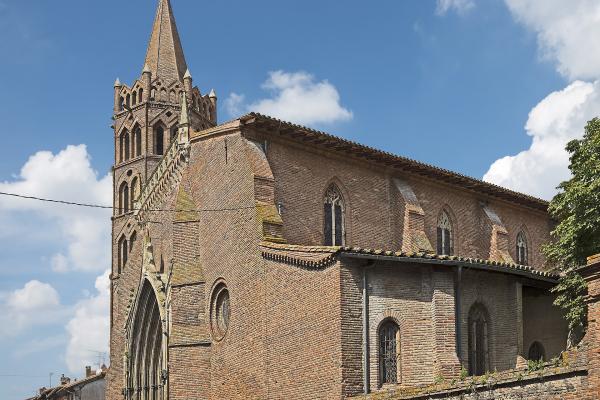
More photos coming soon
Nearby Attractions
Other places to visit in Deauville
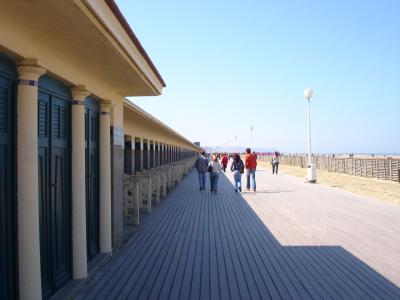
Plage de Deauville (The Beach)
Famous red and blue parasols on Normandy's shore
Free Beaches · Coastal Promenades
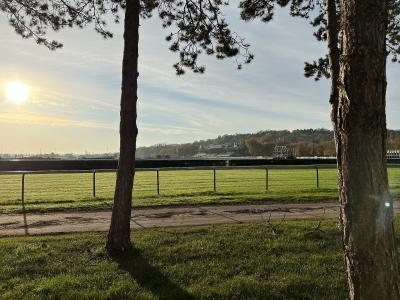
Hippodrome de Deauville
Historic flat racecourse, Deauville-La Touques, opened in 1864
Guided Tours · Heritage Trails
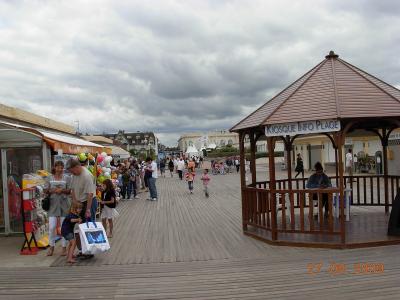
Les Planches (The Boardwalk)
Interwar wooden boardwalk with red and blue parasols
Free Historic Architecture · Coastal Promenades
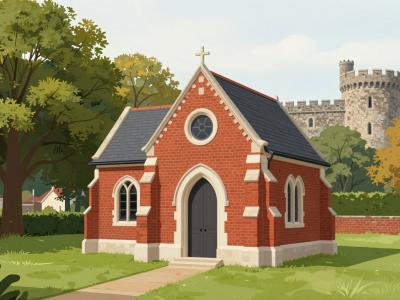
Parc du Thuit
Historic 19th-century park in Deauville
Nature & Parks
Questions people ask
Quick Facts
Best Time to Visit
Late June to early September offers warm weather and ideal conditions for beach activities and sightseeing.