







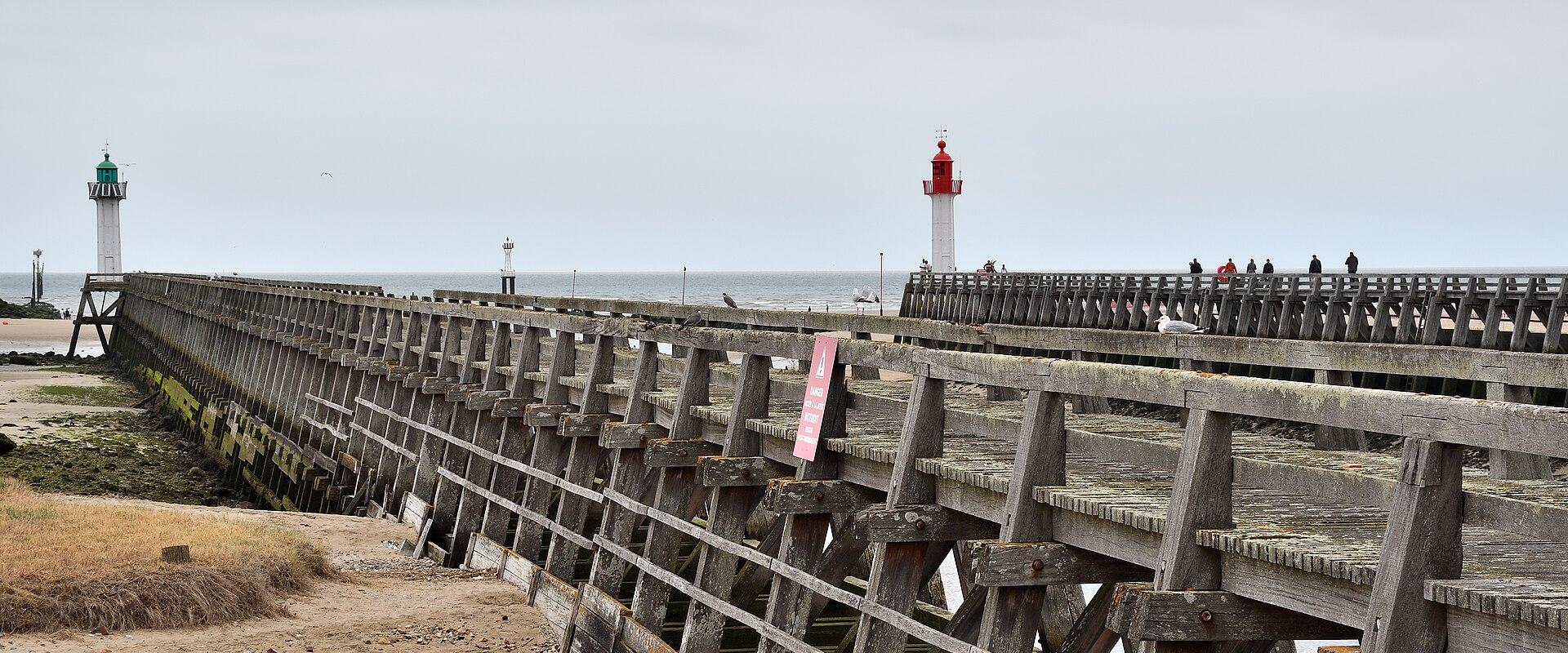
Deauville, situated in the Calvados department of northwestern France, is a town with a profound historical and social identity. Historically, it was a small fishing village until the mid-19th century when the Duke of Morny, half-brother of Napoleon III, developed it into a luxury resort. He commissioned the construction of the first hotels, a casino and a racecourse, and the famous wooden boardwalks (Planches), built in the early 20th century, and the colourful striped parasols that define the town's aesthetic. The town quickly became a playground for the aristocracy and bourgeoisie, attracting visitors with its elegant casinos, horse racing tracks and beachfront hotels, and in 1913 Coco Chanel opened her first boutique here. During World War II, Deauville was damaged, but it was rebuilt and regained its status as a premier resort. The town also played a role in the D-Day landings, with nearby beaches serving as key landing sites for Allied forces, though the main landing beaches lie further west. Today, Deauville is known for its sophisticated atmosphere, hosting the Deauville American Film Festival annually, which celebrates American cinema.
The main attractions in Deauville revolve around its beachfront and cultural heritage. The Plage de Deauville is a wide, sandy beach lined with colorful parasols and loungers, offering views of the English Channel. The Planches de Deauville, a wooden boardwalk running along the beach, is the center of the town, featuring beach cabins, shops, cafes and restaurants. The Casino Barrière de Deauville is a historic landmark, opened in 1912, offering gaming and entertainment. The Hippodrome de Deauville, which is on the edge of town in the Touques valley, is a prestigious horse racing track, hosting major events throughout the year, notably in August. The American Cemetery of Normandy lies at Colleville-sur-Mer, west of Bayeux, about an hour and a half away by car, and is a solemn memorial to American soldiers who died during the D-Day landings. The town also features the Villa Strassburger, a historic villa of 1907, which is used for events and exhibitions rather than as a permanent cultural center, and the Église Notre-Dame and the Parc du Thuit are other places listed locally. The nearby town of Trouville-sur-Mer, connected by a bridge, offers a more relaxed atmosphere with its own beach and boardwalk.
Deauville offers various activities for visitors interested in leisure, culture and history. Horse racing is a central activity, with races held from May to October. The town is a starting point for exploring the D-Day beaches, with guided tours available to sites like Omaha Beach and Pointe du Hoc, though the journey takes some time. The nearby city of Honfleur, with its historic harbor and art museums, is easily accessible by bus or car. The local cuisine features Norman specialties, including camembert cheese, cider and seafood, and moules marinières, fish stew and tarte normande are common on menus. The town hosts various festivals throughout the year, including the Deauville American Film Festival and the Deauville Horse Week. The surrounding countryside offers opportunities for cycling and hiking, with marked trails through the Normandy bocage. The nearby town of Lisieux is known for its basilica and religious heritage.
Getting to Deauville is convenient via train, with regular services from Paris to Deauville-Trouville station in about two hours. The station is located close to the town center, making it easily accessible. For those traveling by car, Deauville is accessible via the A13 motorway. The best time to visit is from late June to early September, when the weather is warm and pleasant, ideal for beach activities and outdoor exploration. July and August are the warmest months, with average highs around 22°C, but also the busiest. Spring and autumn offer milder weather and fewer crowds, making them suitable for sightseeing and museum visits. Autumn is particularly popular for horse racing and film festivals. Winter is cooler and quieter, offering a serene atmosphere for walking along the beach.
Best time to visit
Late June to early September offers warm weather and ideal conditions for beach activities and sightseeing.
What to see in Deauville
Our picks first.
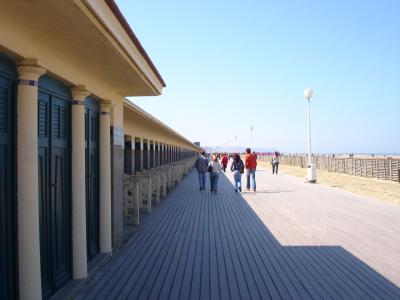
Plage de Deauville (The Beach)
Famous red and blue parasols on Normandy's shore
Free Beaches · Coastal Promenades
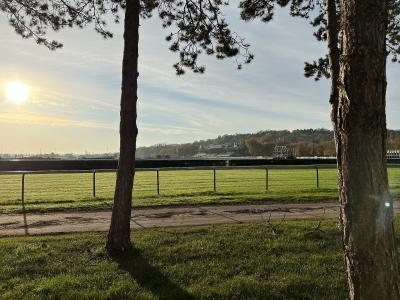
Hippodrome de Deauville
Historic flat racecourse, Deauville-La Touques, opened in 1864
Guided Tours · Heritage Trails
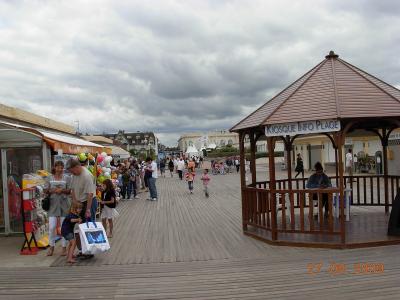
Les Planches (The Boardwalk)
Interwar wooden boardwalk with red and blue parasols
Free Historic Architecture · Coastal Promenades
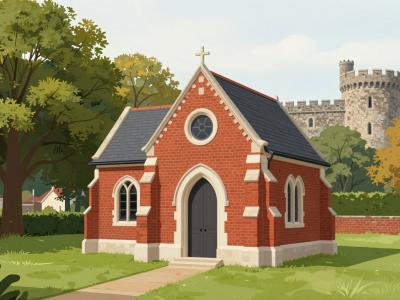
Parc du Thuit
Historic 19th-century park in Deauville
Nature & Parks
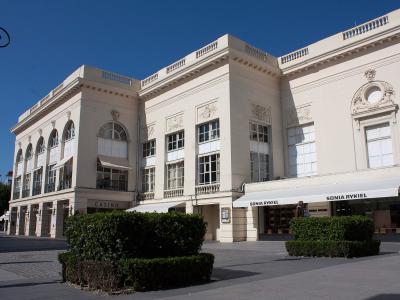
Casino Barrière de Deauville
1912 historic casino in Deauville
Historic Architecture · Urban Exploration
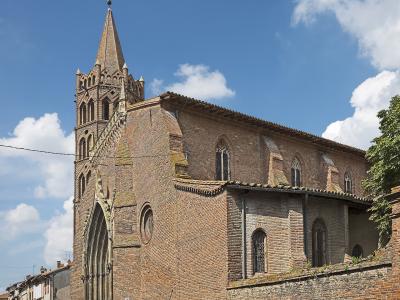
Église Notre-Dame
Catholic church in Deauville, Normandy
Historic Architecture
Deauville by interest
The same sights, grouped by what you came for.
Did you know?
Checked facts about Deauville, each with its source.
-
History
The 21st Arrondissement
Deauville was historically known as the '21st arrondissement of Paris' because it became a popular destination for the aristocracy and upper class, effectively functioning as an extension of the capital's social scene.
Source: www.congres-deauville.com
Planning a visit to Deauville
Good to know
- Currency
- EUR
- Language
- French
Quick Facts
Book your stay
Questions people ask
More places in Normandy
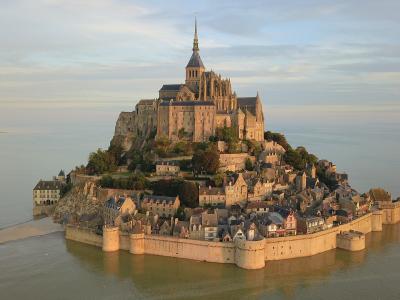
Normandy
Mont-Saint-Michel
A medieval abbey on a tidal island in the bay between Normandy and Brittany
Normandy
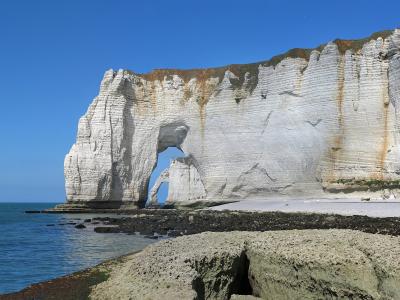
Etretat
Dramatic chalk cliffs and seaside village in Normandy
Normandy
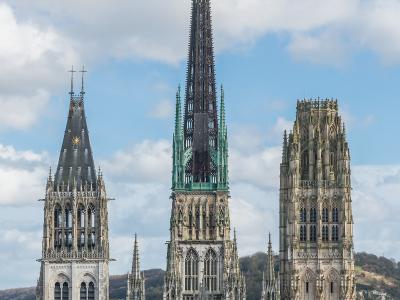
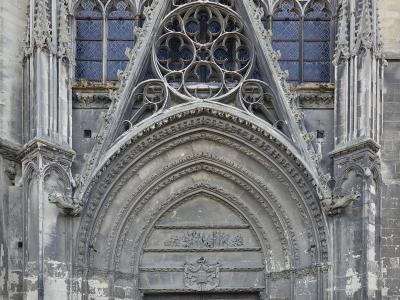
Rouen
Historic capital of Normandy with Gothic cathedral and medieval quarter
Normandy
Caen
Historic Norman capital with D-Day heritage and William the Conqueror's legacy