







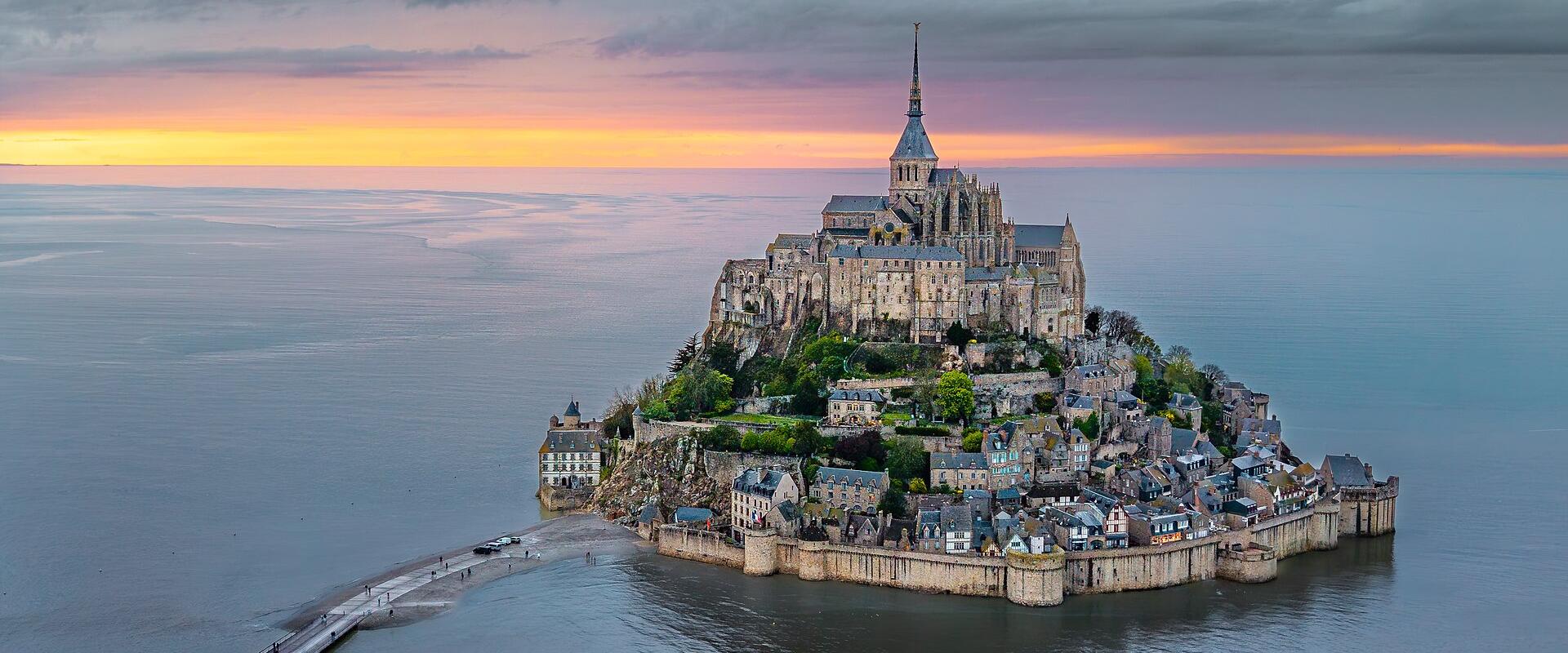
Normandy
Where dramatic cliffs, historic battlefields, and world-renowned cider orchards converge in the heart of northern France.
- 7 destinations
- 46 attractions
About Normandy
Normandy offers a captivating blend of dramatic coastal landscapes and profound historical significance, serving as both a serene retreat and a poignant journey through 20th-century history. From the iconic chalk cliffs of Étretat to the solemn memorials of Omaha Beach, the region invites travelers to explore its rich cultural heritage, culinary delights, and timeless charm.
Normandy occupies the northernmost region of mainland France, bordered by the English Channel to the north and west, and sharing land borders with Brittany, Île-de-France, and Picardy. The region is divided into two main departments: Seine-Maritime in the east and Calvados in the west, with additional parts in Eure, Orne, and Manche. Key urban centers include Rouen, the historic capital known for its Gothic cathedral and medieval half-timbered houses, and Caen, a city deeply intertwined with the D-Day landings. Other notable towns include Le Havre, Cherbourg, and Bayeux, famous for its medieval tapestry. Culturally, Normandy is celebrated for its distinct identity, influenced by its Viking heritage and maritime traditions. Visitors can indulge in local gastronomy, including Camembert cheese, Calvados apple brandy, and fresh seafood. The region’s natural beauty is defined by the Alabaster Coast, with dramatic white cliffs at Étretat, and the serene marshlands of the Marais du Cotentin. The apple orchards that blanket the countryside offer stunning views, particularly during the harvest season. The best time to visit is from May to September when the weather is mild and ideal for coastal exploration, though spring brings vibrant blossoms to the orchards. Winter offers a quieter, atmospheric experience, perfect for museum visits and hearty local cuisine. Accessible via Paris-Gare Saint-Lazaire train to Rouen or Caen, or by flying into Paris and driving, Normandy is easily navigated by car, which is essential for reaching remote coastal villages and rural attractions. Public transport connects major cities, but a vehicle provides the flexibility needed to fully appreciate the region’s diverse landscapes and historical sites.Where to go in Normandy
Normandy
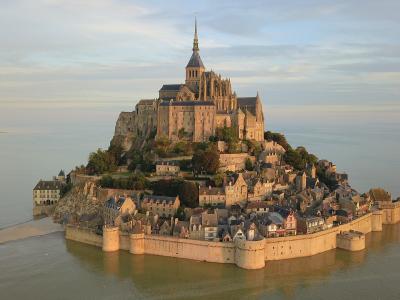
Mont-Saint-Michel
A medieval abbey on a tidal island in the bay between Normandy and Brittany
Normandy
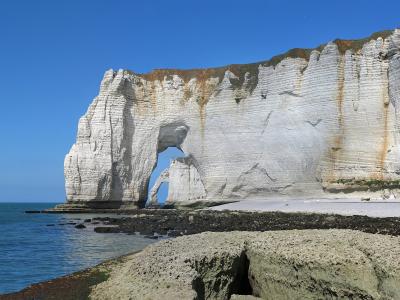
Etretat
Dramatic chalk cliffs and seaside village in Normandy
Normandy
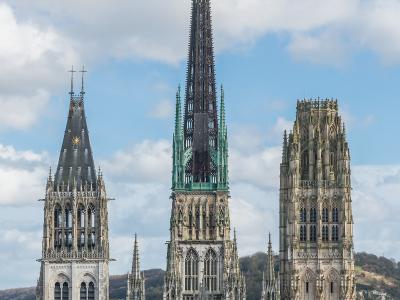
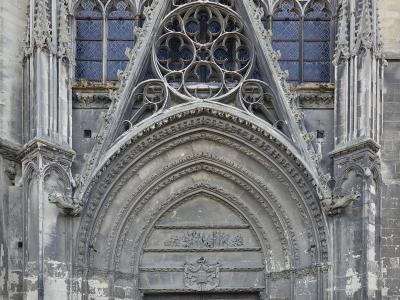
Rouen
Historic capital of Normandy with Gothic cathedral and medieval quarter
Normandy
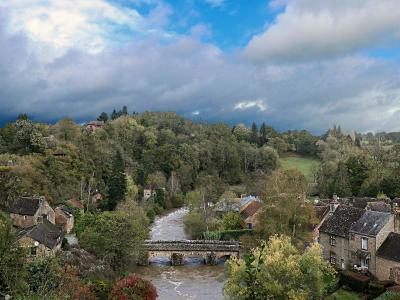
Caen
Historic Norman capital with D-Day heritage and William the Conqueror's legacy
Normandy
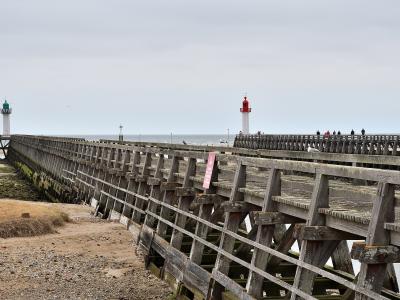
Saint-céneri-le-gérei
Medieval village on the Sarthe River in the Alpes Mancelles
Normandy
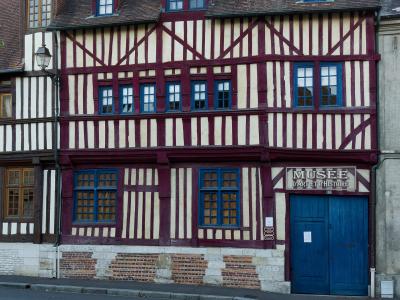
Deauville
Prestigious Normandy seaside resort with wooden boardwalks
Normandy
Lisieux
Major Catholic pilgrimage site and Norman city of St. Therese
What to see
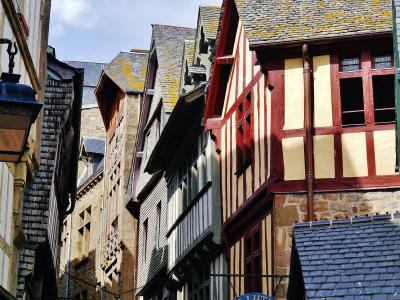
Mont-Saint-Michel · Historic Towns
Grande Rue (Mont-Saint-Michel)
The steep medieval main street climbing Mont-Saint-Michel
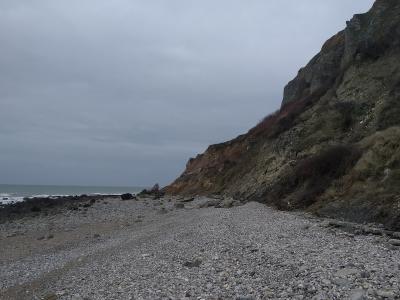
Etretat · Cliffs
Cap de la Hève
Chalk cliffs with flint arches on Alabaster Coast
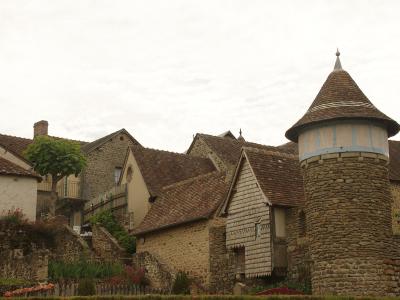
Saint-céneri-le-gérei · Castles
Château de Saint-Céneri-le-Gérei
Most Beautiful Village with 12th-century Romanesque church
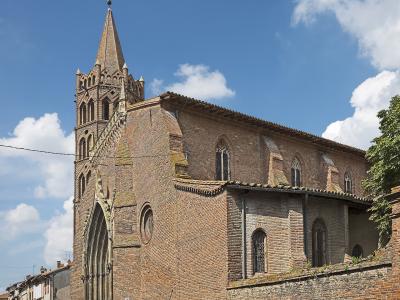
Deauville · Historic Architecture
Église Notre-Dame
Catholic church in Deauville, Normandy

Caen · Guided Tours
Memorial de Caen
Europe's largest 20th-century history museum
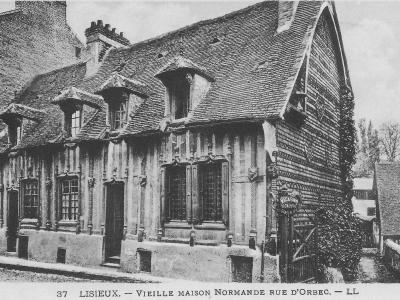
Lisieux · Cultural Centers
Musée de la Vie Normande
Art and history museum in a historic half-timbered house
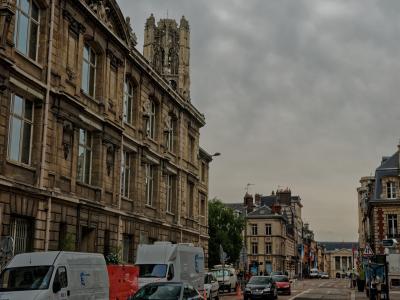
Rouen · Museums & Culture
Musée des Beaux-Arts de Rouen
15th-century art, Impressionist masterpieces, and Caravaggio
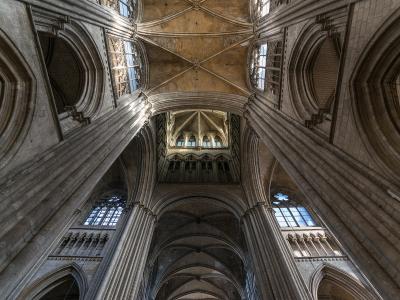
Rouen · Architectural Landmarks
Rouen Cathedral (Cathédrale Notre-Dame de Rouen)
France's widest Gothic facade and world's tallest spire
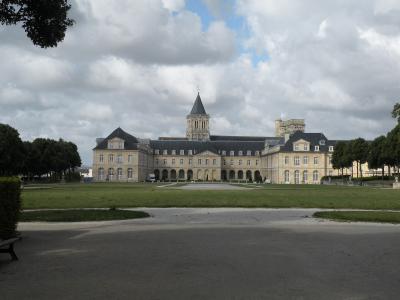
Caen · Historic Architecture
Abbaye aux Dames
11th-century Benedictine abbey founded by William the Con...
Stories and tips
· 4 min read
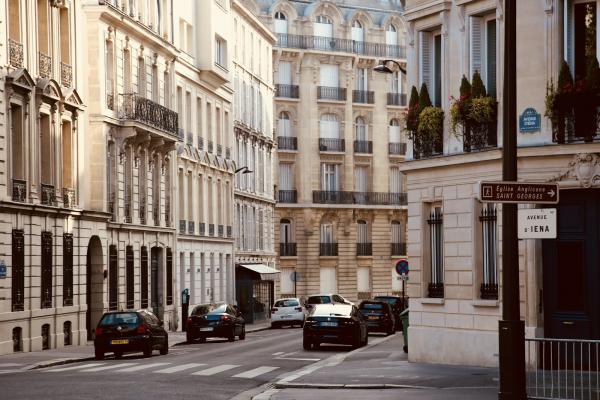
Driving in France: Rules, Tolls, Fuel and Low-Emission Zones
The road rules, documents, tolls and city restrictions a visiting driver needs to know before taking the wheel in France.
· 4 min read
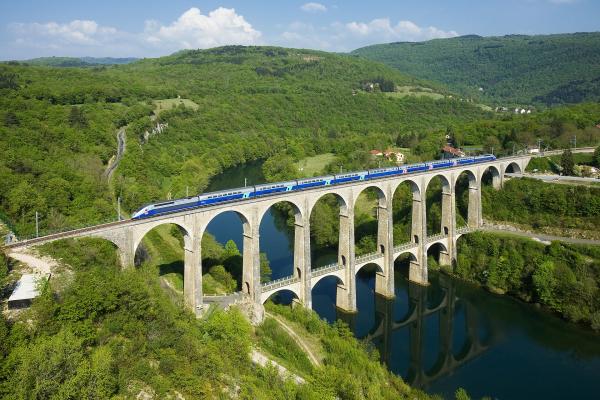
Train Travel in France: How the SNCF Network Works
A practical guide to French trains: TGV, Ouigo, TER and night trains, the Paris stations, booking and what to know on board.
· 4 min read
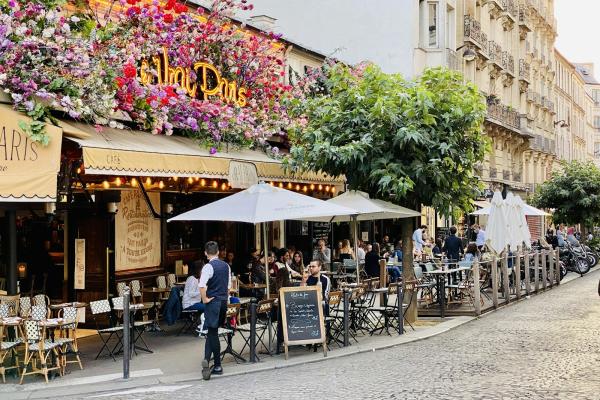
Eating Well on a Budget in France: Lunch Menus, Markets and Bakeries
How to eat well in France without overspending: when to eat out, what to order, where to shop and which habits quietly save money.
Quick Facts
Book your stay
Elsewhere in France
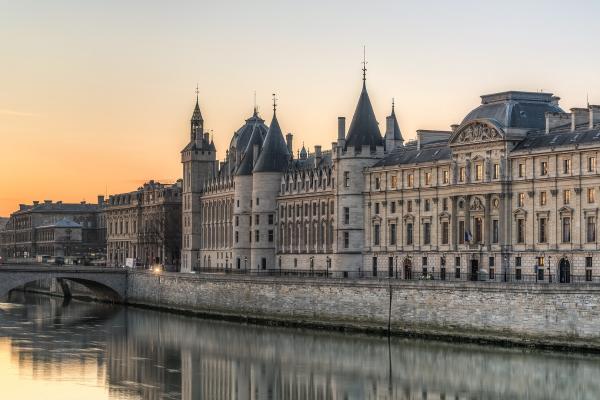
Île-de-France
The beating heart of France, where world-renowned history, high culture, and serene rural landscapes converge in the capital's shadow.
Provence-Alpes-Côte d'Azur
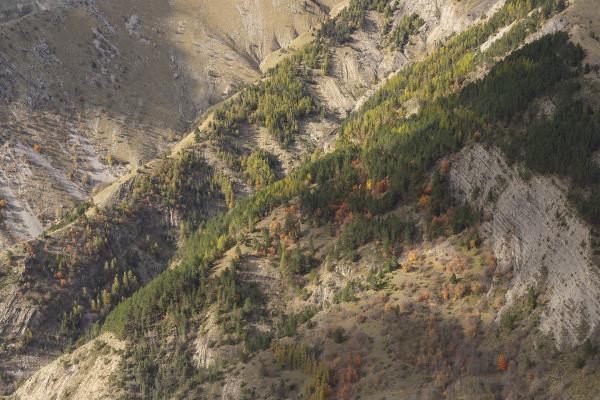
Where sun-drenched lavender fields meet the azure Mediterranean and majestic Alpine peaks.
Rhône-Alpes
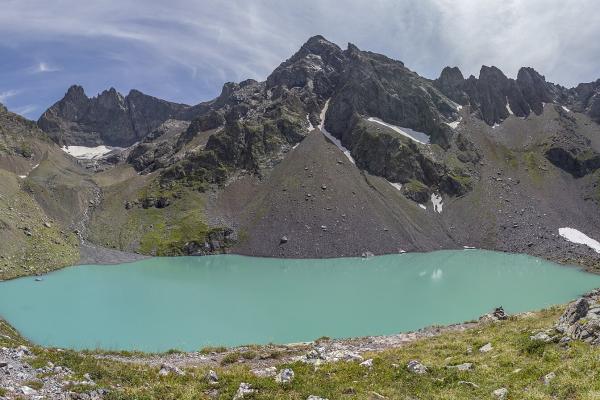
Where the majestic Alps meet the historic elegance of Lyon, offering a perfect blend of mountain adventure and gastronomic delight.